
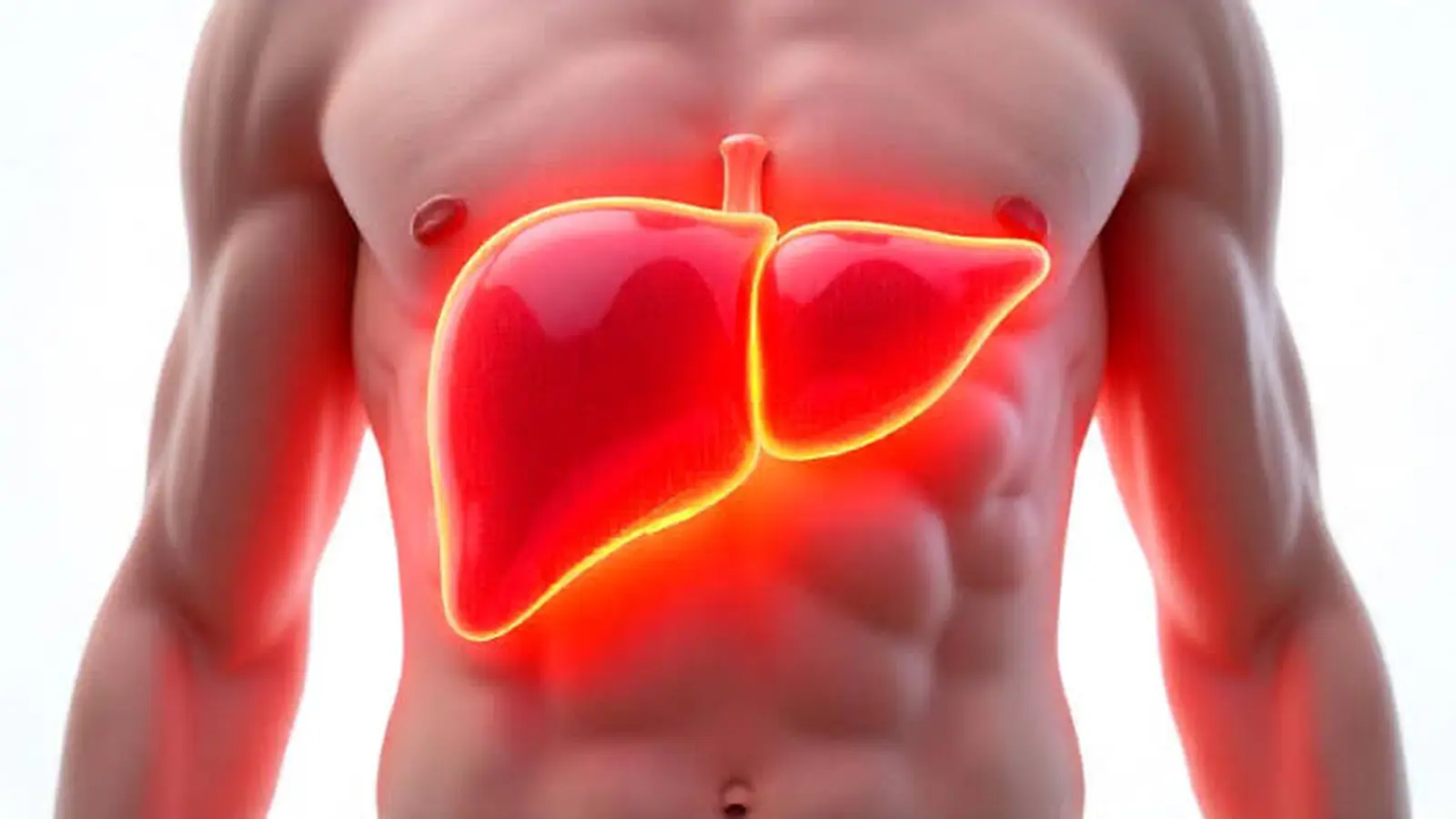
You unwrap a sandwich, peel off cling film, and rarely think about what happens next. Tiny shards of plastic, invisible to the eye, are already on their way into the world — and into our bodies. Recent work from Texas A&M suggests one of the most common plastics, polyethylene, may be doing more than cluttering beaches; it could be nudging our livers toward disease.
Polyethylene makes up roughly a third of global plastic production. It is the stuff of grocery bags, food wrap, storage tubs and the linings of beverage cups. Because it has been seen as biologically bland, it slipped under the scientific spotlight while other microplastics drew more attention. That complacency is now being questioned.
The research, led by Dr. Adi Joshi at the Texas A&M College of Veterinary Medicine and Biomedical Sciences, tracked how polyethylene microplastics change gene activity inside the liver. The findings were surprising. Exposure alone altered molecular signals tied to fat handling and tissue repair. Pair that exposure with a diet high in fat, fructose and cholesterol, and the damage intensified.
Think of the liver as a busy metabolic factory. It stores, processes, and detoxifies. Tiny plastics seem to jam some of the factory's gears. The team observed markers consistent with fatty liver disease — a condition affecting about a quarter of people worldwide. Short-term exposure nudged those markers upward. Add a Western-style diet and the nudge becomes a shove.

So how did researchers zero in on the trouble spots? They used spatial transcriptomics, a technique that reads gene activity while preserving the tissue's layout. Keep the map. Know the neighborhood. That approach allowed them to point to regions where gene expression changed and link those changes to specific biological programs.
Two molecular actors stood out. PPAR-alpha, a regulator of lipid metabolism, showed altered activity. ANXA2, a gene involved in tissue repair, also appeared to play a role. These are not obscure players; they are instrumental in how the liver handles fat and heals itself. If polyethylene shifts their behavior, the organ's resilience could be weakened.
This study suggests polyethylene exposure can promote fatty liver disease, and the effect grows worse when paired with an unhealthy diet.
The implications are immediate and unsettling. Microplastics are ubiquitous — in oceans, in tap water, even in human tissues. Even if each particle is tiny, their biological footprint may compound, interacting with lifestyle factors to accelerate disease. It reframes a familiar question: are environmental exposures silent partners in chronic illness?
Of course, this study offers a first glimpse rather than a full portrait. The team has not yet tracked whether polyethylene exposure pushes livers into later-stage conditions, like fibrosis, where scar tissue accumulates. Nor is it clear whether manipulating PPAR-alpha or related pathways could blunt the harm. Those are the next chapters researchers plan to write.
There is also a broader homework assignment for science: polyethylene is only one class of microplastic. Other polymers may behave differently. Some might be worse. Some might be harmless. We need that comparative map, and fast.
For now, the paper nudges both scientists and consumers to pay closer attention. Simple choices — reducing single-use plastic, favoring alternatives for food storage, and prioritizing a balanced diet — are sensible steps while the research advances. The quiet accumulation of microplastics has been easy to ignore. This study makes it harder to do so.
Curious? Worried? You are not alone. The plastic that keeps our lunches fresh might also be reshaping how our livers cope. That realization could change how we think about convenience in the years ahead.


Leave a Comment
Comments
No comments yet. Be the first.