
Samsung didn’t just hold its ground in Q2 2026. It pulled away. Counterpoint’s latest figures make the margin clear: Samsung captured 39% of global DRAM sales, securing the top spot for a third straight quarter.
That 39% share is the headline — but the story underneath is more layered. SK Hynix followed with 26% and Micron was close behind at 25%, while CMXT accounted for about 7%, leaving the remainder to smaller players. Rising DRAM prices helped boost revenue across the board, but analysts say pricing alone doesn’t explain Samsung’s widening lead.
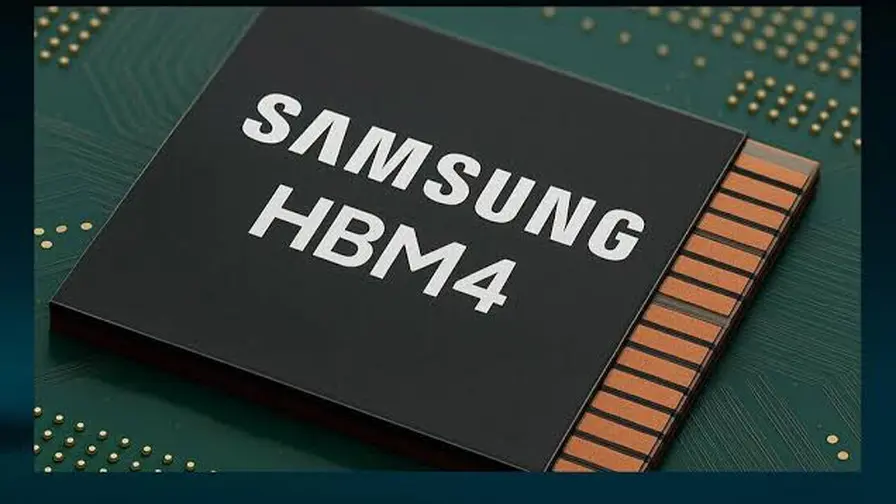
So what else is at play? For one, Samsung has been quietly strengthening its position in high-bandwidth memory (HBM), the specialized chips favored by AI training and high-performance computing. Even as HBM prices softened earlier in the year, Samsung managed to hold its ground in that niche — a sign that market share isn’t only about short-term price swings but about long-term supply strategy and product mix.

There’s also the advantage of scale. Samsung’s ability to move large volumes while selectively shifting product focus has let it capture more value when market dynamics change. It’s the kind of maneuver large fabs can execute: ramp capacity where demand converges, and lean back where margins are pressured. Competitors feel that pressure, especially when inventory and pricing are both volatile.
Looking ahead, the HBM market may get another jolt. Counterpoint and other market watchers expect HBM pricing to rebound in Q3 2026 as major GPU introductions gather momentum. Nvidia’s Vera Rubin GPUs are slated for shipments, and AMD’s Instinct MI455X launch is on the calendar — two catalysts that typically drive renewed demand for high-bandwidth memory.
For chipmakers, that creates a familiar loop: GPU launches spur HBM demand, HBM ordering lifts DRAM-derived revenue, and firms with ready supply chains and competitive HBM portfolios stand to benefit the most. Samsung appears positioned to capitalize, but the industry has surprised before. Smaller vendors could gain ground if they match supply agility with competitive pricing.
Numbers tell the snapshot. Strategy writes the sequel. Watch Q3 closely; the GPU cycle could change the script again.

Leave a Comment
Comments
No comments yet. Be the first.