
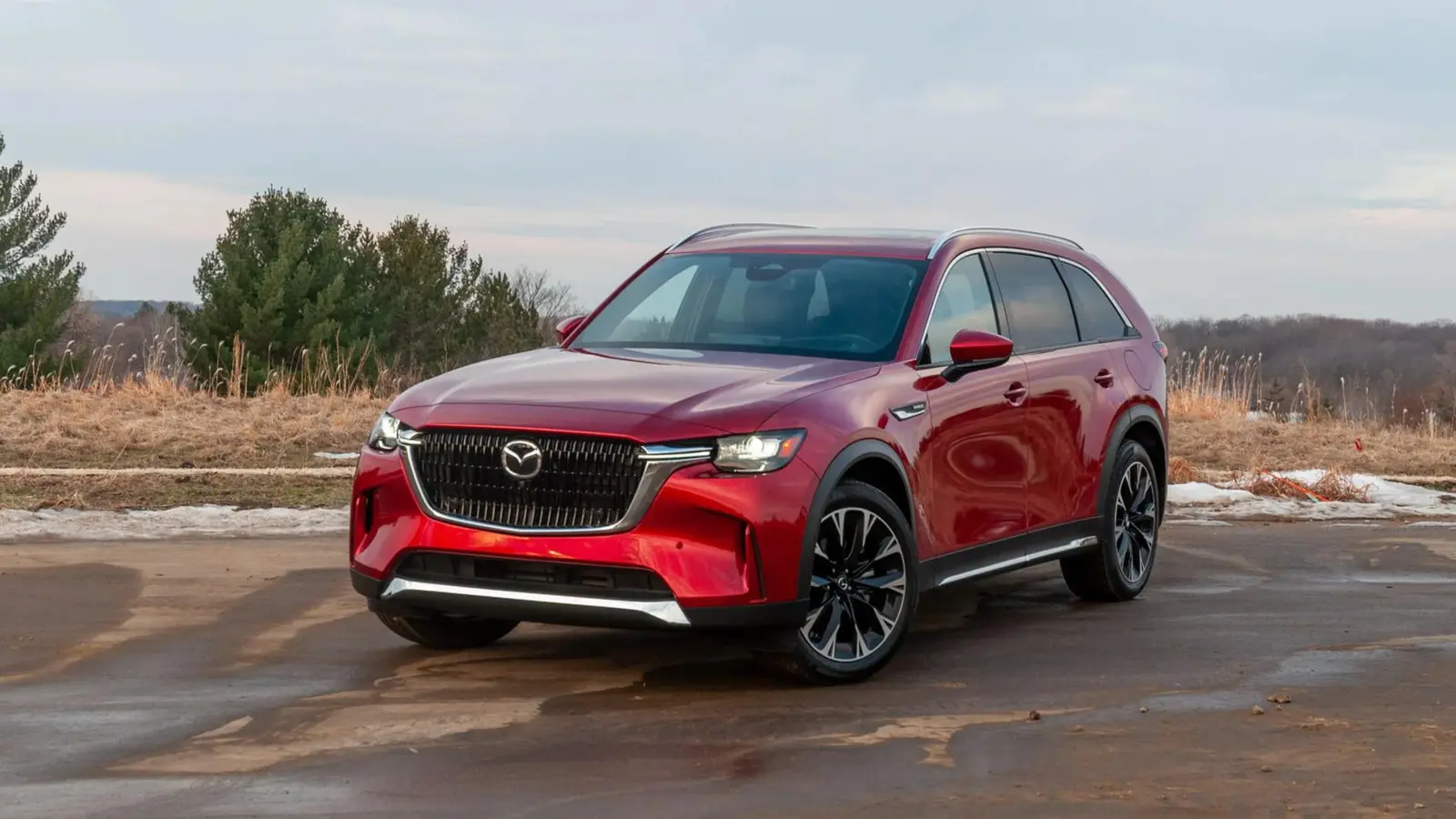
Mazda's U.S. gamble isn't paying off
Mazda invested heavily in two new SUVs tailored for the American market: the CX-90 three-row and the CX-70 two-row. Instead of lifting the brand to a new, premium tier, those models have become a growing headache. Sales in the first half of the year fell sharply, and Mazda is scrambling to respond with safety-focused messaging, small product updates, and tighter communications rather than large discounts or major engineering changes.
Sales figures that explain the alarm
Industry data lays the problem bare. CX-90 three-row deliveries in the U.S. dropped 24 percent in the first six months, reaching 21,271 units. The two-row CX-70 fell even more, down 29 percent to just 5,974 units. Jeffrey Guyton, Mazda's chief financial officer, told Automotive News that the sales situation is unacceptable, a blunt admission that signals concern at the board level.
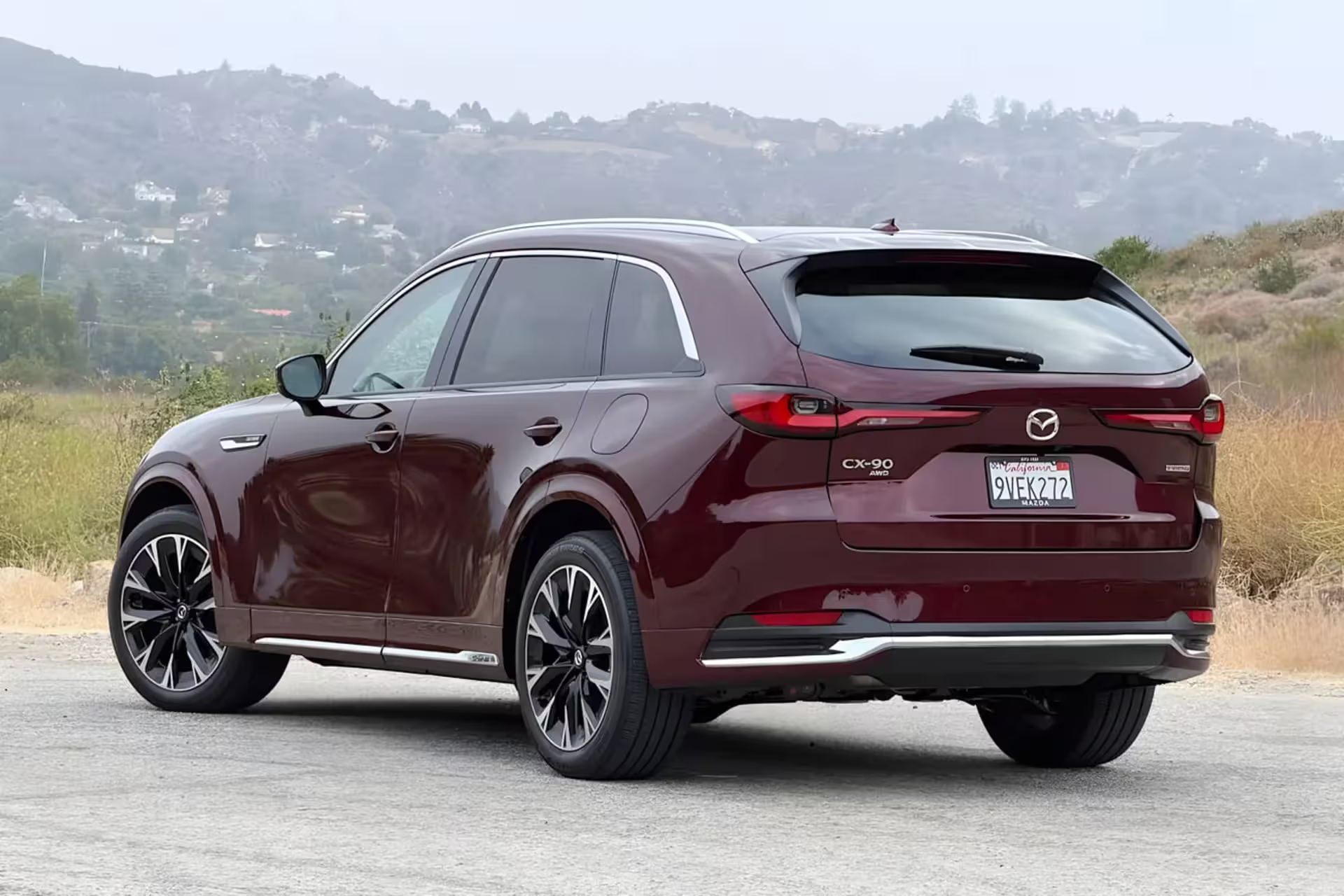
Those numbers are especially significant because both SUVs were designed with U.S. buyers in mind. Mazda expected them to be volume drivers and halo products. Instead, they highlight a disconnect between engineering intent and market reaction.
Why Mazda's strategy has stumbled
The reasons are layered and interrelated. Safety credentials alone are not winning this battle, even though Mazda has a strong story to tell. The recently refreshed CX-5 earned a top IIHS rating, and Mazda now boasts more Top Safety Pick Plus awards across its lineup than many rivals. Still, buyers in the premium-priced SUV segment evaluate a mix of value, technology, perceived status, and total cost of ownership — and in several of these dimensions the CX-70 and CX-90 are facing headwinds.

Key external pressures include:
- Import tariffs on vehicles shipped from Japan, which increased final retail prices.
- Reduced incentives and subsidies for plug-in hybrid variants, cooling demand for higher-priced electrified options.
- Intense competition from established luxury and mainstream brands that offer clearer positioning or more aggressive pricing.

Internally, Mazda faces a positioning problem. The CX-70 and CX-90 sit in an uneasy middle ground: engineered with premium intent but priced in a way that challenges perceived value. Customers uncertain about whether they are buying a near-luxury premium SUV or a higher-cost mainstream model tend to favor known quantities or brands with clearer prestige.
Marketing vs product fixes
Mazda has so far prioritized lower-cost moves: emphasize safety credentials, deploy targeted updates, and lean on engineering reputation. Those are sensible first steps, but they may not be enough. When product positioning is fuzzy and price is elevated by factors outside the companys control, brand messaging alone rarely reverses sales declines.

Mazda3: the quiet counterexample
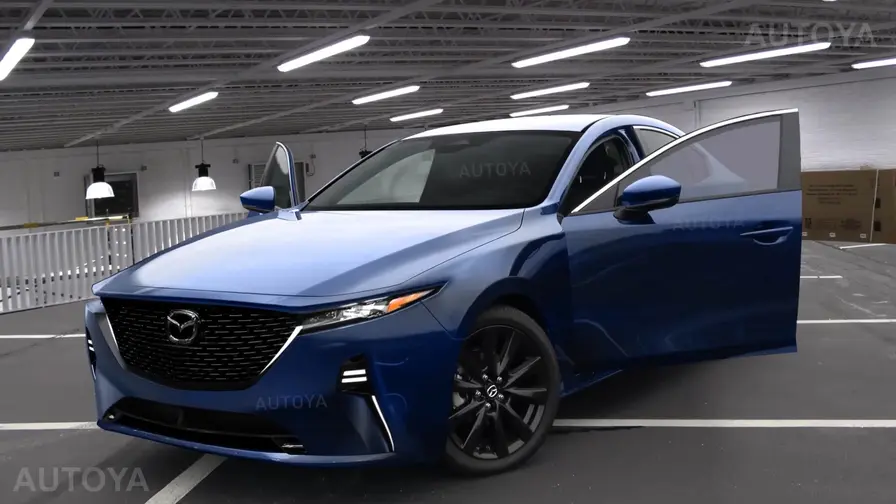
Against the backdrop of the flagship SUVs, the older Mazda3 tells a different story. The compact — still largely the same model architecture that dates back to 2018 — enjoyed a sudden surge this year. July sales jumped nearly 88 percent month-over-month, and year-to-date deliveries are up about 28 percent. The Mazda3's success underscores a key market truth: many buyers prefer vehicles with proven reliability, understood ownership costs, and a clear identity.
This contrast is instructive. Some consumers choose novelty and premium features, but many prioritize familiarity and value. The Mazda3 represents a safe, well-known choice with a recognizable driving character and lower financial friction. The new CX-70 and CX-90, despite substantive engineering work, have not yet convinced enough buyers that their higher purchase price delivers commensurate benefits.

Where Mazda goes from here
Mazda now faces two strategic choices: try to fix perception and demand through marketing and incremental product refinement, or revisit pricing, trim option complexity, and adjust the model mix to create a clearer value proposition. Potential tactical moves include:
- Repositioning trim levels to simplify the lineup and highlight compelling feature/value ratios.
- Greater emphasis on comparative messaging that links safety, build quality, and ownership costs to real-world benefits.
- Revisiting U.S. pricing strategies or regional packaging to offset tariff-driven price gaps.
Both paths carry trade-offs. Deeper product changes and revised pricing can cure the root causes but take time and investment. Marketing fixes are faster but risk being perceived as cosmetic if buyers still find the price/value equation weak.
Bottom line
Mazda's experience shows that engineering excellence alone does not guarantee market success. In the U.S., clear positioning, competitive pricing, and buyer perceptions are as important as crash-test ratings and refined chassis dynamics. For now, the Mazda3's resurgence is a reminder that proven, well-positioned models remain powerful assets. The fate of CX-70 and CX-90 will depend on whether Mazda opts for swift marketing triage or deeper structural adjustments to its value proposition and pricing strategy.

Leave a Comment
Comments (2)
I've seen this in fleet buying, people avoid 'nearly luxury' cars, prefer known choices. Mazda3 rebound makes total sense. Price clarity pls
Tariffs and pricing explain a lot, but is Mazda really that off? Seems like bad timing or marketing fail, curious..