
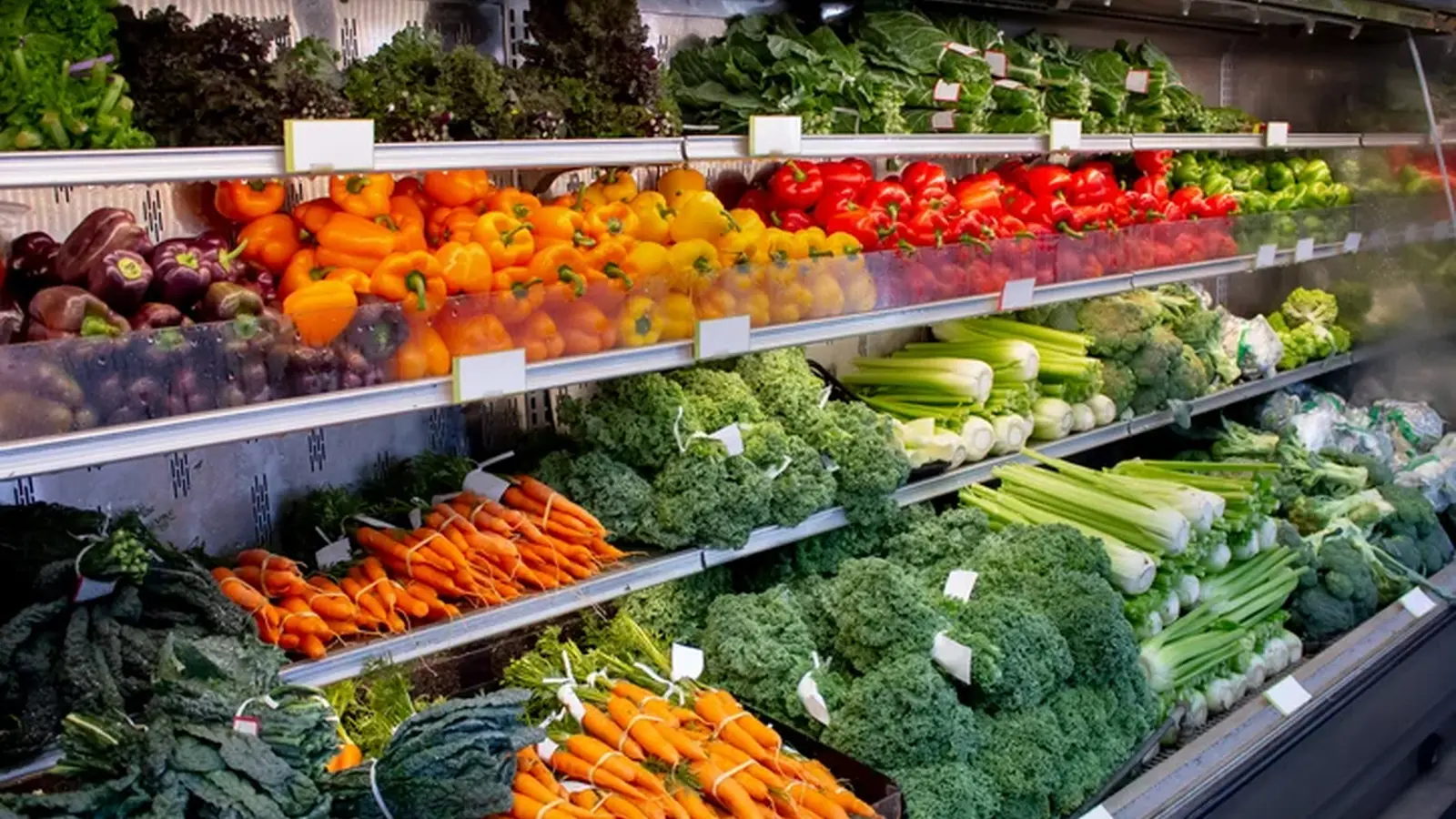
Walk past the apple display and into the vegetable aisle and you’ll find rhythm but not richness: the same heads of lettuce, the same tomatoes, the same onions—over and over. It feels normal. It shouldn’t. What we see on shelves is the result of decades of choices that favored uniformity over variety, speed over resilience, and marketability over nutrients.
A multinational team of nutritionists, botanists and agriculture researchers argues in a 2026 PNAS paper that this narrowing of vegetable diversity isn’t just an environmental loss—it’s a public-health problem. Maarten van Zonneveld, who led the study while at the World Vegetable Center, makes the blunt case: we do not only need to grow more vegetables; we need to grow many more kinds of them.
Why does that matter? Because the vegetables that have been sidelined—local leafy greens, bitter and oddly shaped fruits, drought-tolerant gourds—often pack micronutrients that mainstream crops lack. They also tend to be hardier in marginal soils and hotter weather. In short, they are nutrition powerhouses and climate allies rolled into one.
Global consumption tells the rest of the story. On average, people eat roughly 40 percent fewer vegetables than official healthy-diet benchmarks recommend. That shortfall is not trivial: low vegetable intake ranks among the top five dietary risk factors contributing to disease worldwide. When money is tight, vegetables are the first to vanish from shopping carts. Farmers, meanwhile, view them as risky—perishable, short-lived on the market, and costly to store and transport—so many choose other crops that offer steadier returns.

History did not start like this. Agriculture once leaned on a tapestry of edible plants. Think of potatoes: more than 4,000 varieties exist globally, but only about five to eight dominate the U.S. market. A landscape that once teemed with local varieties has been narrowed by selection for uniformity, monoculture production, and supply chains designed for a tiny fraction of available species.

That loss is not hypothetical. An FAO review found nearly a quarter of assessed wild relatives of vegetables face extinction at the species level. Lose those wild cousins and you lose raw material for breeding crops that can withstand pests, heat, drought and shifting rainfall. Lose them and you lose micronutrients that are often uniquely concentrated in those plants.
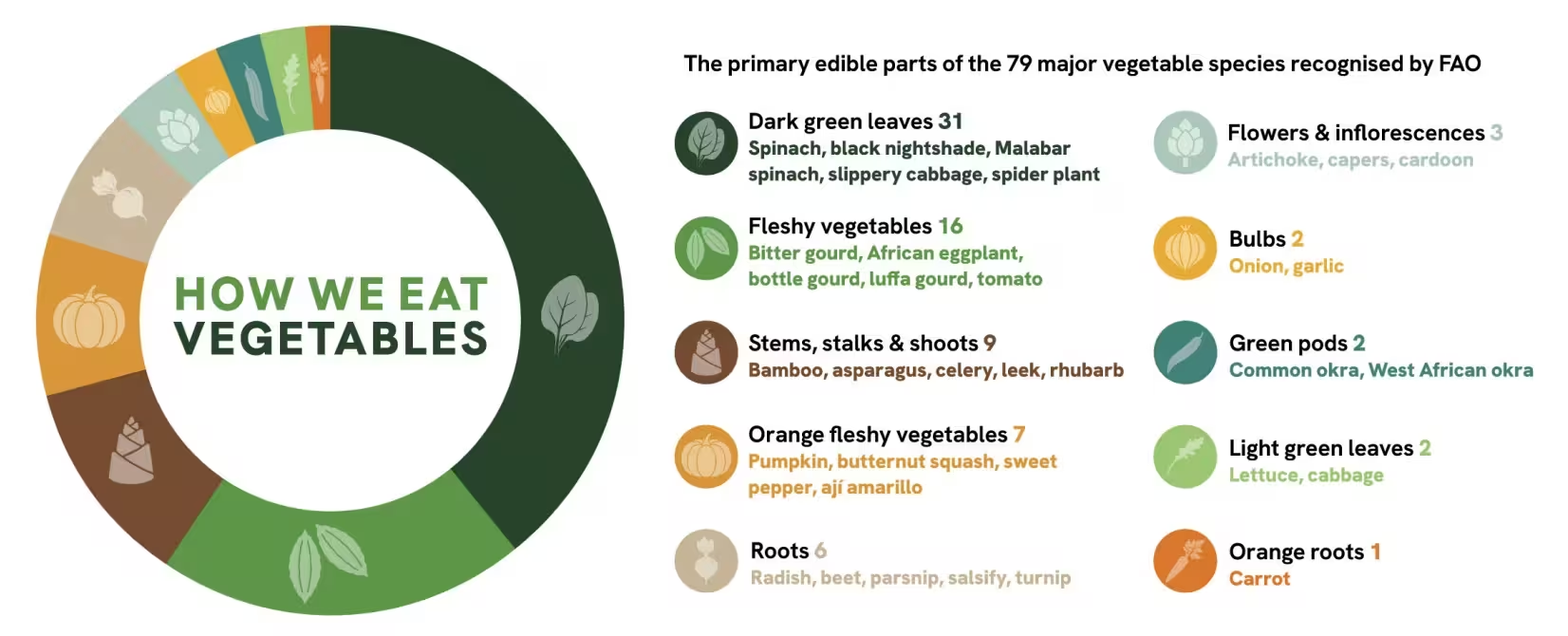
Some vegetables are already globally ubiquitous—lettuce, onions, tomatoes. Others remain regional treasures: the spider plant, a dark-green African leafy vegetable dense in nutrients and heat-resilient; slippery cabbage, a Pacific staple that could boost nutrition among women and children; bitter gourd, common in Asia and the Caribbean with many wild relatives useful for breeding; and pumpkin, hardy against drought and rich in beta-carotene, yet underused genetically.
These offer practical entry points for diversifying both fields and plates. But conservation is patchy. Many local varieties exist only in farmers' fields and a few gene-bank jars; gaps in collections constrain breeding and the scale-up of resilient, nutritious varieties. Without coordinated conservation and use, those seeds risk vanishing into extinction while demand for resilient food climbs.
The PNAS team examined diversity across 79 major vegetable species listed in FAO’s The Plants that Feed the World (legumes excluded) and found significant untapped potential. Their recommendation is blunt and strategic: conserve wild relatives and traditional landraces, prioritize regionally adapted nutrient-dense crops in policy and breeding programs, and align local efforts under a global initiative so regional gains translate into measurable improvements in diets.
There are practical moves everyone can make today. Grow heirloom or landrace seeds in backyard gardens. Save seeds from the healthiest plants to replant next year. Buy from farmers’ markets and small grocers who still sell uncommon varieties. For policymakers and researchers, the path runs through better gene-bank coverage, targeted breeding programs, and incentives for farmers to cultivate a wider palette of crops.
One question hangs over all of this: will we allow our food system to narrow until vital options disappear, or will we act to reconnect diets with the biological wealth that once sustained communities around the world? Plant a seed and watch what happens—it might be the simplest vote for biodiversity you can cast.

Leave a Comment
Comments (2)
Is this even true? 40% fewer veggies, really? Who decides what's 'marketable' anyway, big corps? Farmers need cash and buyers, not just good intentions.
Wow, didnt realize supermarket greens were so... limited. Feels kinda sad and urgent. Plant seeds, yes, but how to get veggies back on cheap shelves? hmm