
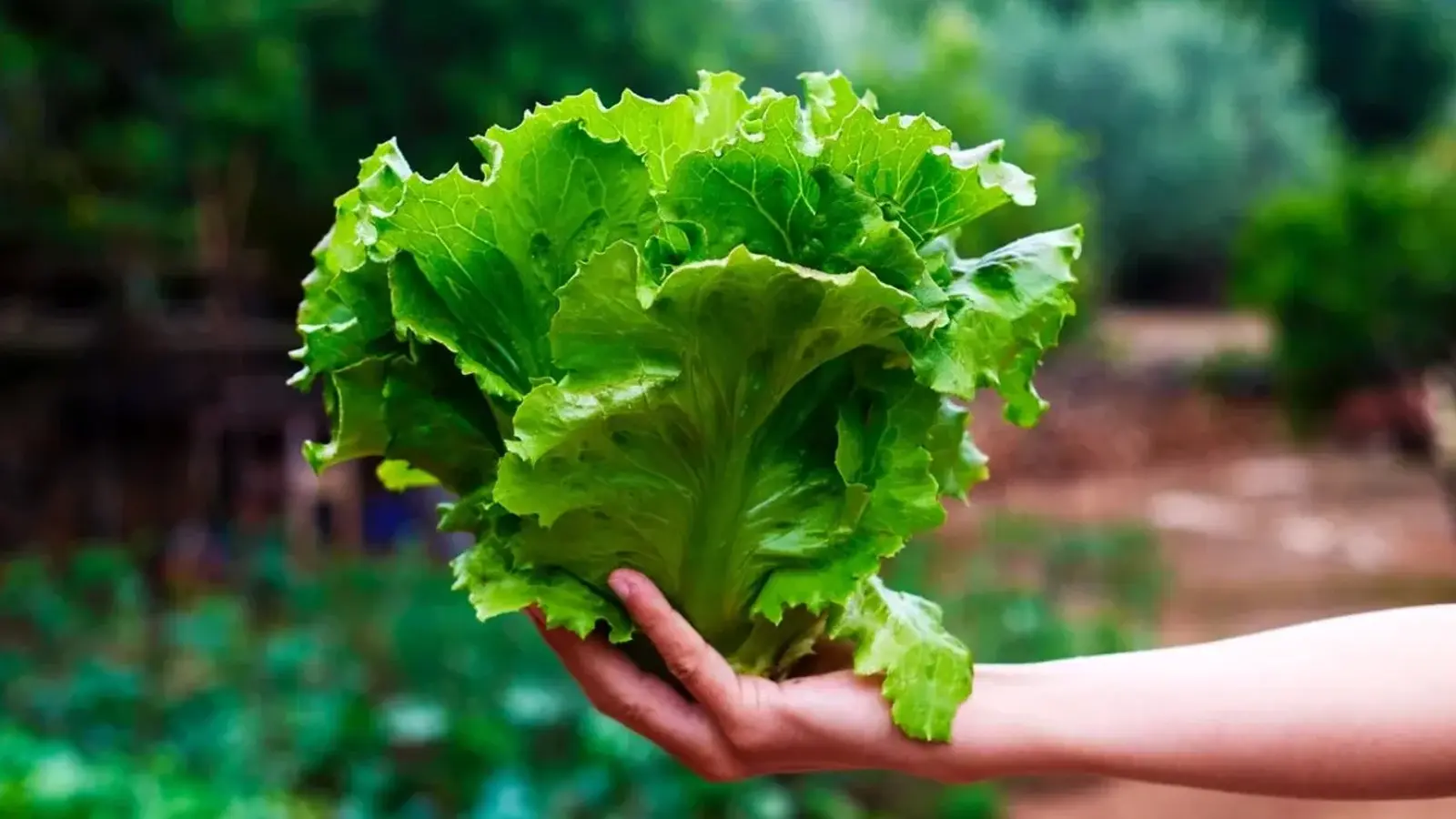
Imagine biting into a leaf that smells faintly of grilled steak. Strange? Perhaps. Feasible? Scientists are edging closer.
Researchers at Imperial College London have taken the gene for myoglobin—the iron-rich protein that gives meat its red color and much of its flavor—and inserted it into plant chloroplasts. They started with tobacco, then moved the same trick to lettuce. The technique used a gene gun to deliver the pig myoglobin gene directly into chloroplasts, the photosynthesis engines inside plant cells. Chloroplasts still carry traces of their bacterial ancestry, and that legacy makes them unusually good miniature protein factories.
The engineered lettuce produced myoglobin at roughly 0.08 percent of its dry weight. That’s lower than the levels found in animal muscle, but it’s not the whole story. Plants are far more efficient at turning sunlight, water and land into edible mass than livestock. In terms of protein yield per hectare, the math suddenly looks a lot less one-sided.
Why does myoglobin matter? Because it does more than color meat red. It holds heme, the iron-bearing molecule that contributes to savory taste and mouthfeel. Add myoglobin to a plant-based burger and you don’t just change how it looks—you alter aroma, texture and nutritional iron content. According to the team’s analysis, plant-made myoglobin is structurally indistinguishable from the animal form, so it could be used as an ingredient to boost taste and nutrition in alternative-protein products.

Not everything worked perfectly. Early tests showed the plant-produced myoglobin bound the heme group less effectively than the same protein made in engineered bacteria. Why that happens is still an open question. It could be about how chloroplasts fold and process the protein, about the cellular chemistry around heme, or about subtle post-translational tweaks plants make differently than microbes.
There are environmental arguments on the side of plant production. Growing protein in leaves uses far less water and emits fewer greenhouse gases than raising cattle. And by inserting the gene into chloroplast DNA rather than the plant nucleus, researchers limit one major ecological worry—gene escape via pollen—because chloroplast genes are rarely passed along by pollen in most crops.
But public acceptance remains a steep hill. Many consumers are wary of genetically modified foods, and the idea of meat genes in salad is likely to unsettle some. Scientific hurdles and social resistance both stand between a lab bench and supermarket shelves.
This is not a cure-all, but it is a clever new tool in the search for sustainable protein.
The full study appears in Frontiers in Plant Science, and the road ahead will require more biochemical detective work and frank conversations with the public about what we want on our plates.

Leave a Comment
Comments
No comments yet. Be the first.