
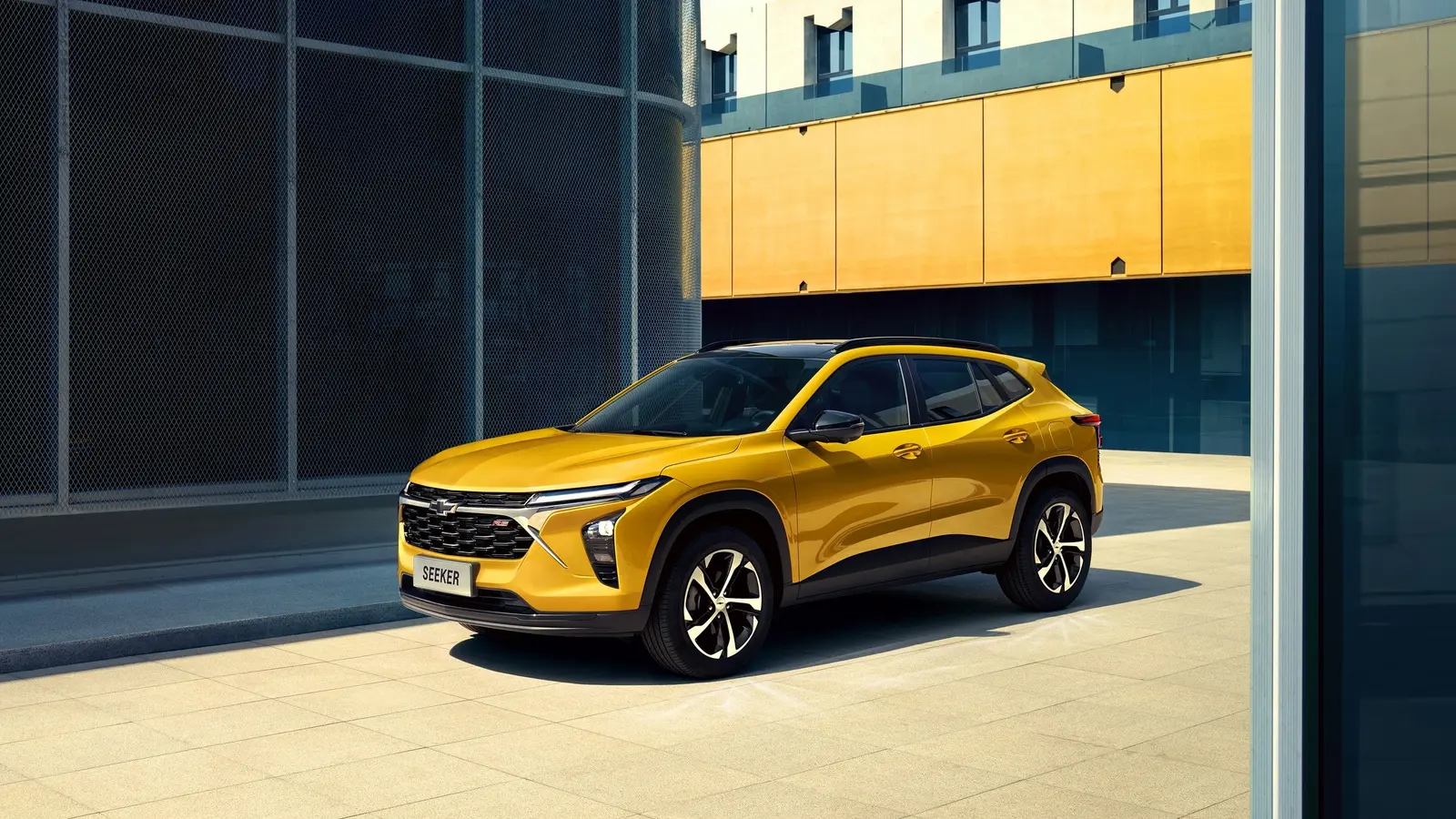
End of an Era: Chevrolet Leaves the Chinese Market
After 21 years in China, Chevrolet is officially withdrawing from the People’s Republic. Once a key volume brand for General Motors, the Golden Bowtie has been edged out by a rapidly transformed Chinese market driven by electrification, local competitors and fast product cycles. GM isn’t abandoning China — it’s simply reallocating resources toward stronger, higher-margin brands and export opportunities.

From growth story to decline
Chevrolet arrived in China through the SAIC-GM joint venture in the late 1990s and rode a wave of explosive market growth. At its high point in 2014, Chevrolet sold a record 767,001 vehicles in China. But the picture darkened over the following decade: sales slipped dramatically, collapsing to just 8,747 units in 2025. The most acute downturn occurred around 2019–2020, when annual volumes fell from roughly 512,000 to below 310,000 units.
That fall reflects more than simple brand fatigue. It mirrors a tectonic shift in consumer preference toward electrified vehicles, advanced in-car software, and locally tailored offerings — areas where domestic manufacturers rapidly closed gaps and, in many cases, pulled ahead.

Why Chevrolet lost ground
The reasons for Chevrolet’s decline in China are straightforward and interlinked:
- Local brands such as BYD, Geely and Chery ramped up product development, offering competitive EVs and hybrid models at aggressive price points.
- Chinese automakers invested heavily in software, connectivity and advanced driver-assistance features that buyers began to expect as standard.
- Chevrolet’s model mix remained heavily gasoline-focused, with a limited portfolio of EV and electrified variants, widening the gap with consumer demand.
- Faster design, engineering and localization cycles from domestic players made it harder for traditional global brands to react.
Put simply, Chevrolet struggled to deliver the vehicles Chinese consumers were prioritizing — namely, electric and software-rich models that blend competitive pricing with locally relevant features.

GM’s new playbook in China
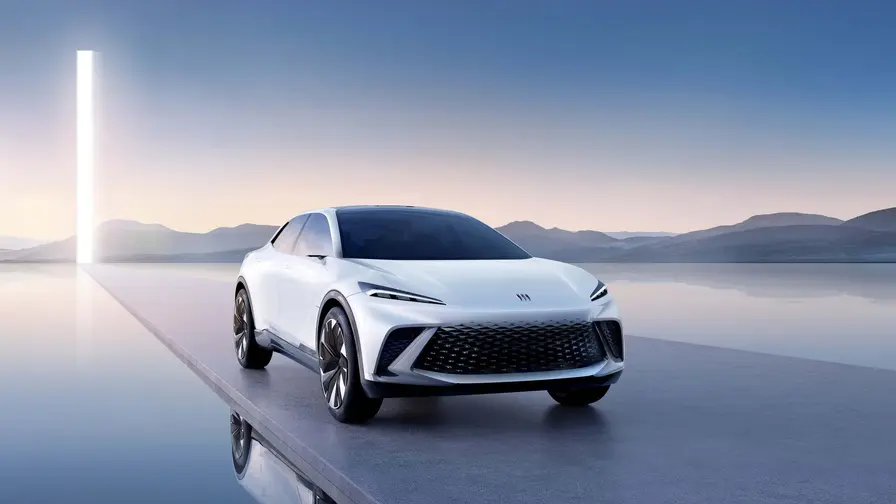
General Motors is not exiting China as a whole. Instead, the company is reshaping its strategy around brands that retain stronger market positions: Buick and Cadillac. GM’s leadership has signaled a pivot to higher-margin products and a more premium positioning in China’s evolving luxury and near-luxury segments.
Recent moves underline this shift. In August 2026, GM and SAIC extended their partnership for another 20 years. The renewed agreement signals a focus on locally developed technologies, new energy vehicles (NEVs), and boosting exports of China-built models to overseas markets — turning China from simply a sales market into a strategic export hub.

What this means for the industry
The Chevrolet exit is a case study in how quickly the automotive landscape in China has matured. Where Western automakers once treated the market as a near-guaranteed growth engine, success today requires:
- Rapid electrification and substantial investment in EV lineups
- Deep localization of products and user experiences
- Competitive, software-first architectures and regular over-the-air updates
- Flexible pricing and faster development cycles
For global manufacturers, the lesson is clear: legacy nameplates that rest on gasoline portfolios and slow development rhythms risk obsolescence in China’s hyper-competitive environment.
Implications for consumers and dealers
Chinese consumers will likely see a rebalanced showroom mix: fewer mainstream Chevy models and more Buick and Cadillac offerings, alongside a surging selection of locally developed NEVs. For dealers and supply chains, the pivot toward exports and higher-spec vehicles will require adjustments in production planning, parts sourcing and aftersales services.

Looking ahead
Chevrolet’s withdrawal is both an end and a signal. It marks the close of a 21-year chapter for a storied global brand, while highlighting GM’s effort to remain relevant by concentrating on premium positioning and turning China into an export and technology hub. The move underscores the broader reality that market share in China now rewards speed, innovation and deep localization more than legacy name recognition.
For car enthusiasts and industry watchers, the final takeaway is this: the Chinese auto market has entered a new phase where electrification, software and local know-how dominate. Automakers that adapt will thrive; those that don’t may face the same fate as Chevrolet.
"China is no longer just a market for volume — it’s a center for EV development, localization and exports," analysts note. "Brands must be fast, local and software-savvy to win."

Leave a Comment
Comments (2)
Is GM really regrouping or quietly ceding ground? Chevy got outplayed by local EVs, or is there more, idk
Wow... Chevy outta China? Kinda sad, used to see so many here. But China moved lightning fast, no surprise.