
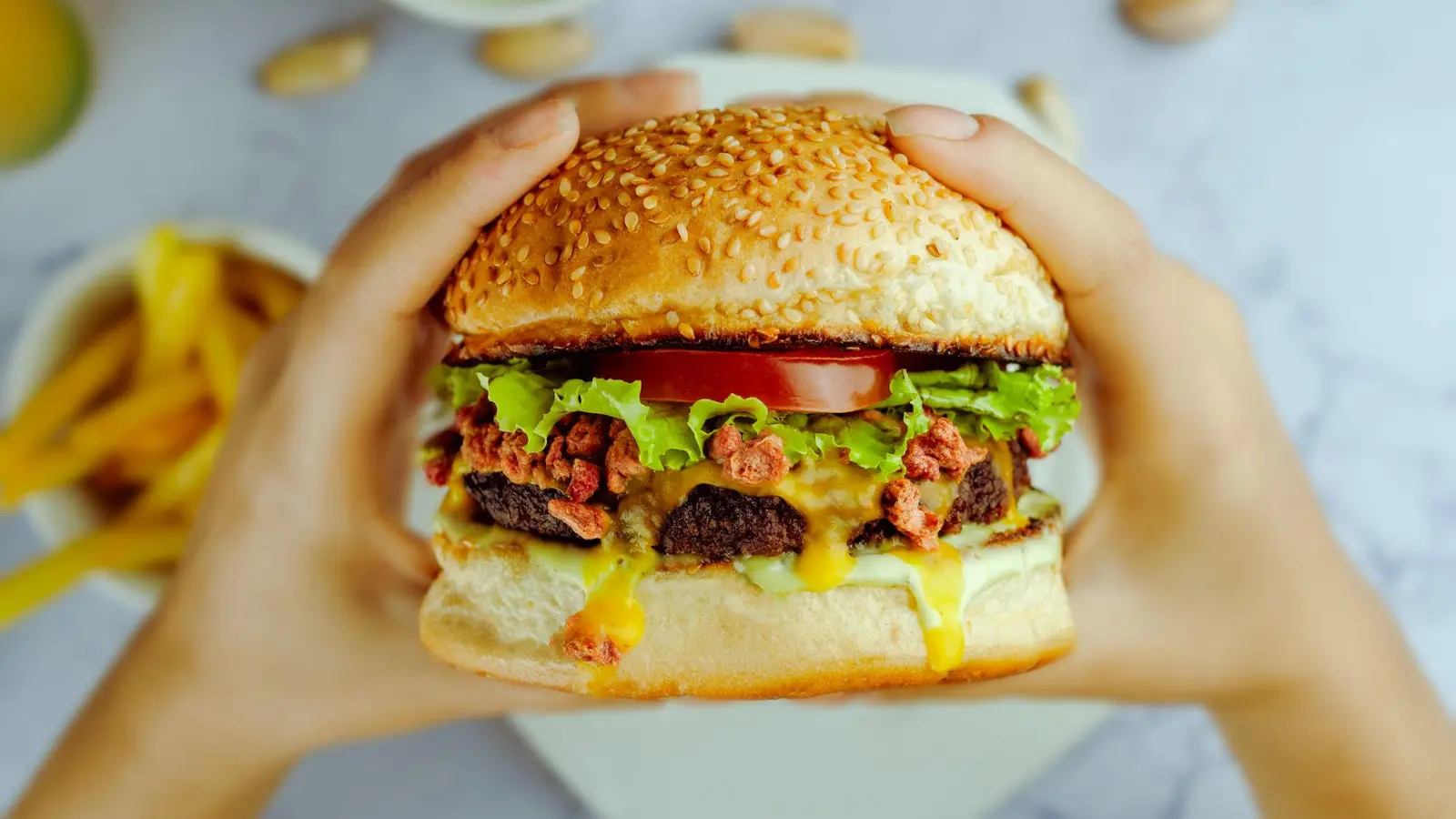
Walk down any supermarket aisle and you can see it: gleaming packages promising convenience, flavor and a long shelf life. They fuel most American plates—about 60% of adult calories and nearly 70% for children. But a growing body of evidence now points to a darker side: diets dominated by these ultra-processed foods may be quietly altering men’s cancer risk.
Researchers at Florida Atlantic University analyzed data from 17,024 men in the nationally representative NHANES surveys collected between 2003 and 2023 to ask a simple but urgent question: does a higher share of daily calories from ultra-processed foods translate into more prostate cancer? To sort foods, the team used the widely adopted NOVA classification, which separates minimally processed items from industrial formulations laced with refined fats, sugars, salts and additives.
The answer was striking. Men who got larger proportions of their calories from ultra-processed products exhibited roughly a 30% greater likelihood of prostate cancer compared with those eating the least. The signal persisted after accounting for age, race and ethnicity, smoking and poverty, with adjusted risk estimates clustering between about 24% and 31% higher. The highest-intake group showed a possible 34% uptick, though that particular estimate lacked statistical certainty—likely because fewer cases appeared in that subgroup.

How might packaged convenience contribute to cancer decades later? There is no single smoking-gun ingredient. Instead, researchers point to several plausible pathways: metabolic dysfunction tied to poor-quality calories, chronic inflammation driven by nutrient-poor diets, oxidative stress, and shifts in the gut microbiome that can influence immune and hormonal balance. In short, the cumulative biology of living on industrialized foods could tip the scales toward disease.
This study appears in The American Journal of Medicine and joins a larger catalogue of findings linking high ultra-processed food intake with obesity, metabolic disorders, cardiovascular events and premature mortality. What distinguishes this work is its focus on prostate cancer—the most commonly diagnosed cancer among U.S. men and a leading cause of cancer death worldwide—and the use of two 24-hour dietary recalls to estimate daily caloric shares from ultra-processed sources.
Public health implications loom large. The authors draw an uncomfortable parallel: like the early tobacco research that took decades to translate into policy action, evidence about mass-produced, shelf-stable foods may require sustained research and political will before regulations follow. They call for larger observational efforts and randomized trials to test causality, while urging clinicians to factor dietary patterns into prevention conversations.
There’s also a practical equity issue. Packaged foods are affordable, heavily marketed and ubiquitous in communities with limited access to fresh produce and whole foods. Expecting individual patients to simply swap out these products ignores economic realities. Solutions, the researchers argue, must span from clinical counseling to policies that improve food access and affordability.
Prostate cancer remains a major global burden—hundreds of thousands of new diagnoses and tens of thousands of deaths each year in the United States alone. While diet is only one of many risk factors, the FAU analysis suggests that the composition of what we eat deserves urgent attention, not least because the prevalence of ultra-processed items shows no sign of declining.
If science has taught us anything, it’s that population health shifts slowly until evidence, policy and culture align. In the meantime, asking where our food comes from—and how often we reach for the boxed, canned or bottled option—may be among the simplest steps men can take to reduce risk.


Leave a Comment
Comments
No comments yet. Be the first.