
He collapsed while out for a walk. One seizure. Then the slow, creeping blur at the edges of his sight. For 48-year-old Rees Hibbert from Bedfordshire, the diagnosis that followed felt like a countdown: a brain tumour pressing close to structures that control vision.
Faced with the risk of permanent sight loss, Hibbert agreed to join a clinical study that would put a new kind of assistant in the operating theatre — not a human, but an artificial intelligence trained to interpret what the surgeon sees in real time. The operation, carried out late in 2024 at the National Hospital for Neurology and Neurosurgery (part of UCLH), is believed to be the first case in which live AI analysis was used to guide tumour removal during neurosurgery.
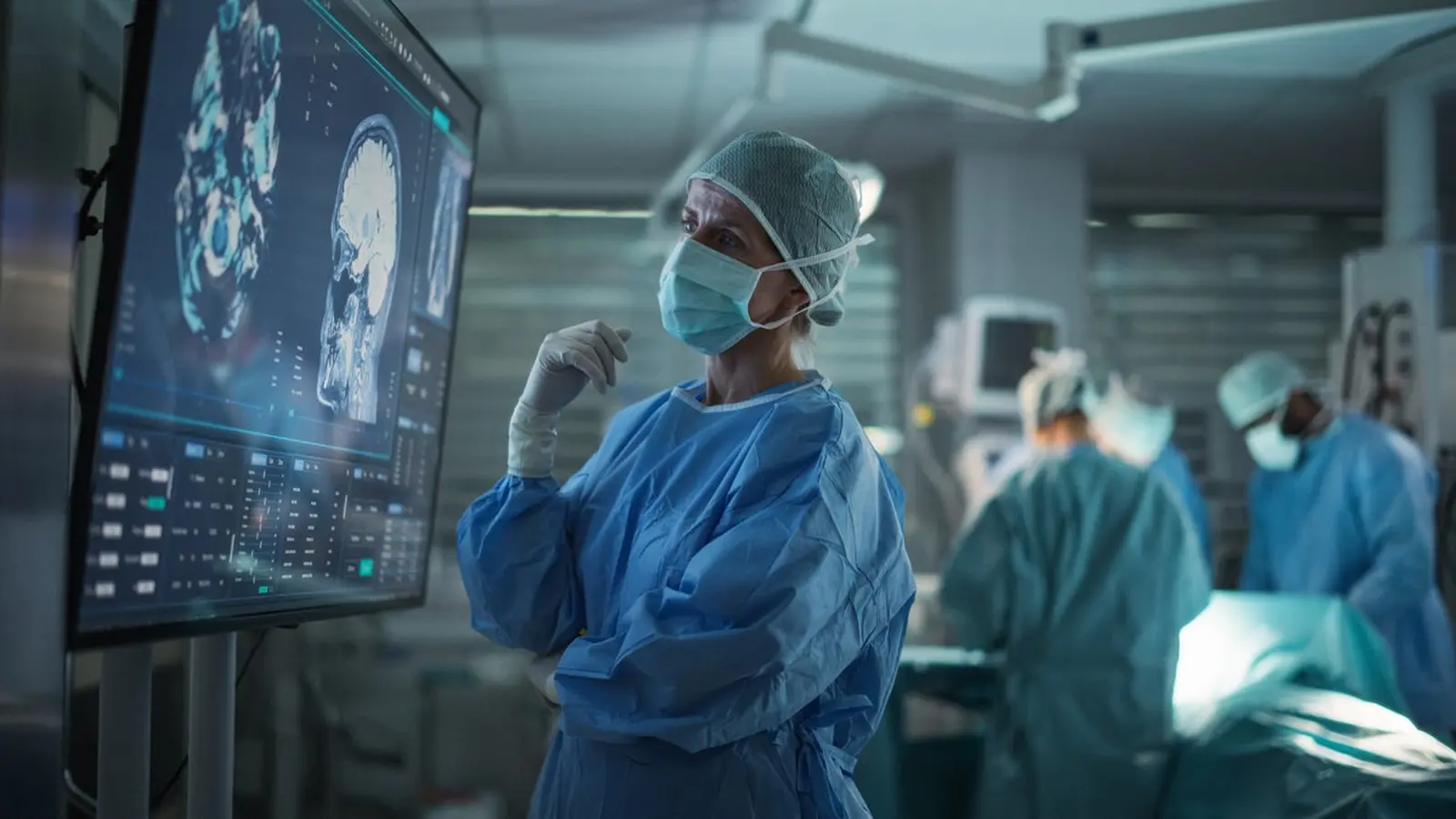
So what changed in the operating room? Think of the system as a second pair of eyes that never tires. Instead of only studying scans before the operation, the AI monitored the surgeon's video feed as the procedure unfolded. It flagged critical anatomy and highlighted areas where even the slightest slip could damage visual nerves. The goal was simple and exacting: remove the tumour while leaving healthy tissue intact.
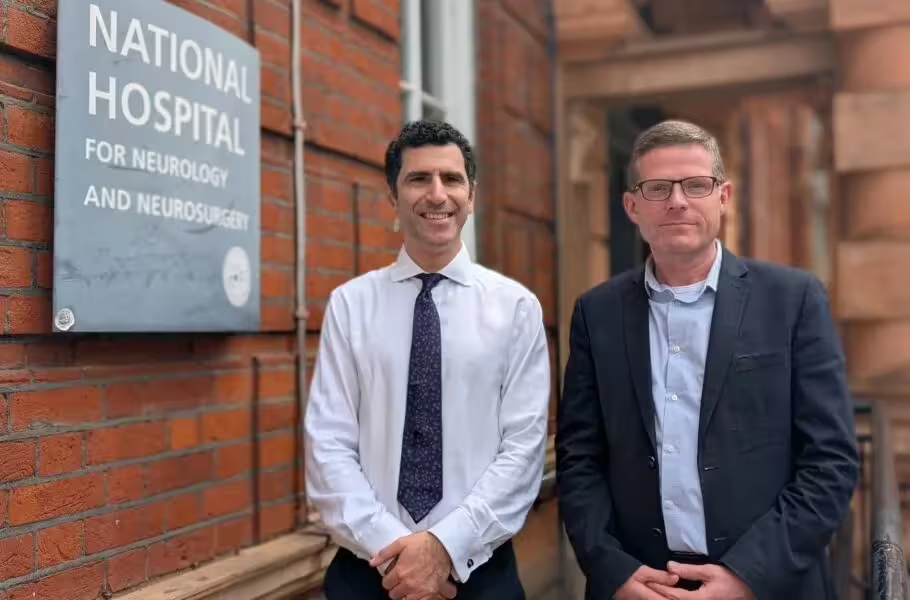
The team leading the operation included Professor Hani Marcus and surgeon Daniel Khan, working with researchers from the UK's National Institute for Health and Care Research (NIHR). Their collective approach blended traditional microsurgical skill with machine support, and the immediate outcome was striking — Hibbert's vision improved as soon as the tumour was removed, with no apparent harm to the optic pathways.
What the surgeons stress is that this is assistance, not autonomy. Current intraoperative AI is designed to detect risk, prevent human error and even track instruments so nothing is left behind. It cannot yet operate on its own or make surgical decisions independent of the clinical team. Safety protocols are strict for a reason: the tumour in this case lay near the pituitary and a dense maze of nerves and blood vessels where tiny mistakes have big consequences.
The case marks a milestone: live AI interpreted surgical video to protect critical structures and preserve a patient's sight.

For Hibbert, the trial felt like a bet on progress. He says participating mattered because without volunteers, medical research slows and patients in the future miss out on better options. The hospital team echoes that sentiment: embracing new tools cautiously, testing them in controlled studies, and measuring outcomes carefully.
Looking ahead, researchers imagine a future where parts of surgery might be automated under strict oversight, or where AI augments decision-making more deeply. For now, the message is modest and human: when technology and surgeons work in concert, the balance between risk and reward can shift enough to save someone's sight. Who will be next to step into that operating theatre and trust a machine to watch their back?


Leave a Comment
Comments
No comments yet. Be the first.