
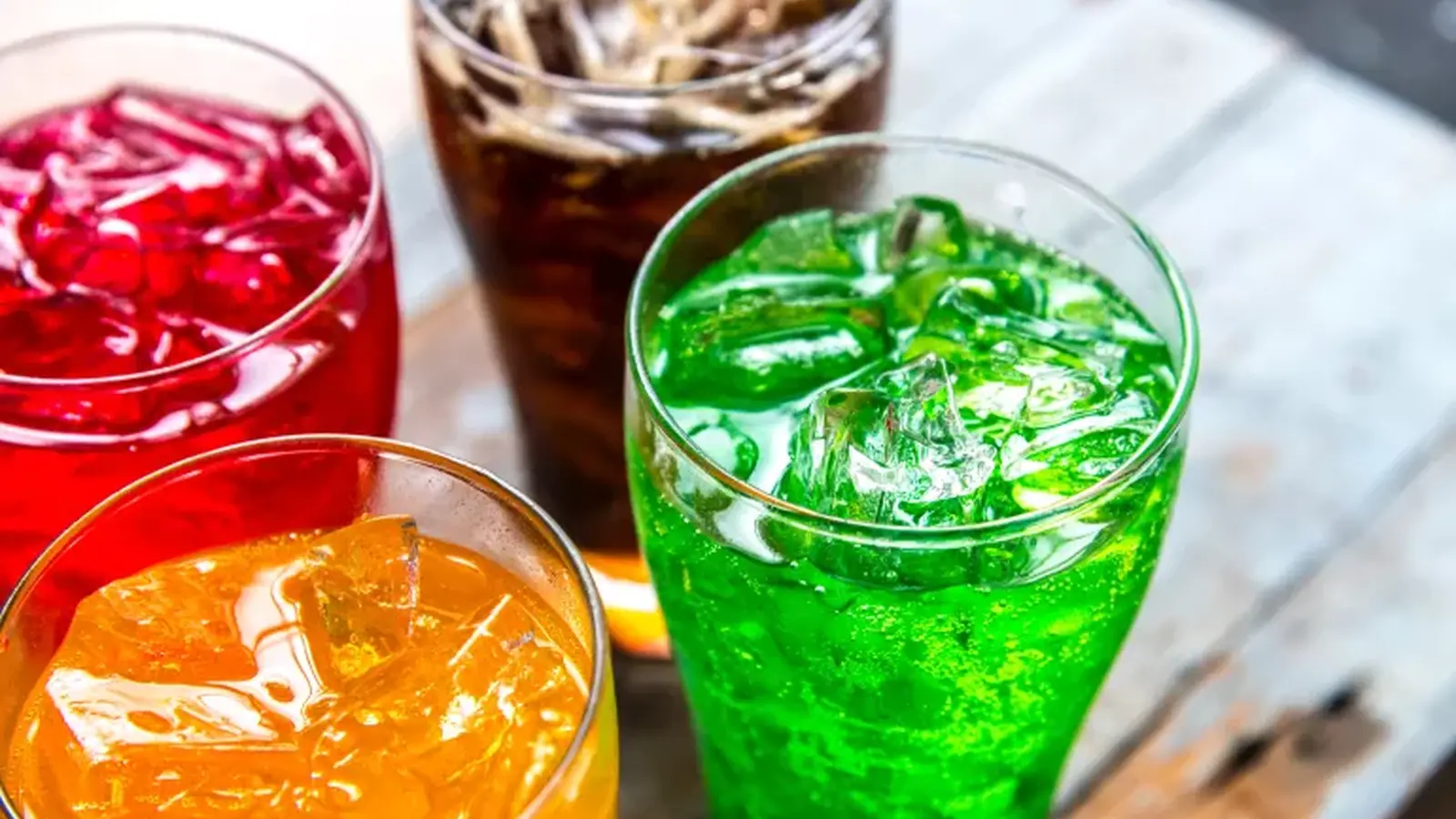
Reach for a soda, and you might be rolling the dice. New analysis of two long-running U.S. cohort studies suggests that people who drink a sugar-sweetened beverage every day face a substantially higher observed risk of gastric cancer than those who rarely do.
Drinking at least one sugar-sweetened beverage daily was linked to a 2.45-fold (≈145%) increase in observed gastric cancer risk. That striking figure comes from researchers at the Mass General Brigham Cancer Institute, who pooled decades of diet and health data from 112,284 participants enrolled in the Nurses’ Health Study and the Health Professionals Follow-Up Study. During follow-up, 278 people were diagnosed with gastric cancer.
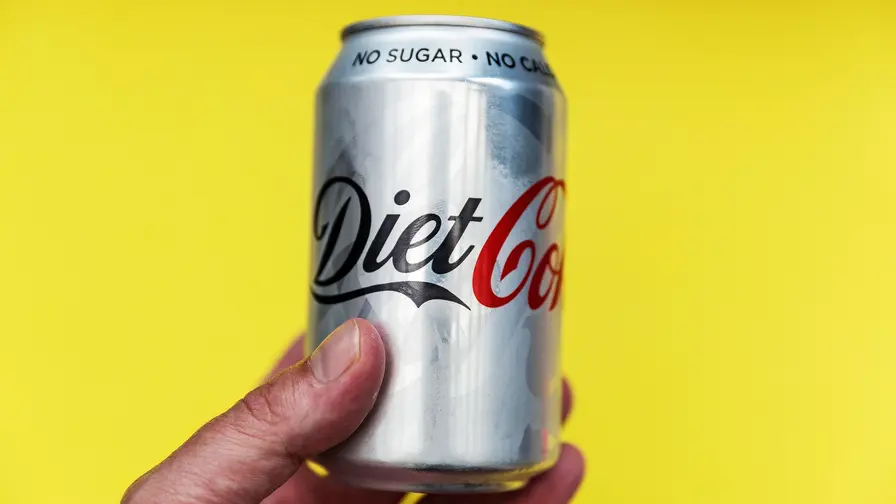
The team looked beyond simple soda counts. Sugar-sweetened beverages in the analysis included carbonated soft drinks, punch, lemonade and sports drinks; artificially sweetened beverages were treated separately as low-calorie carbonated drinks. Higher overall fructose intake—the primary sweetener in many sugary drinks—tracked with greater gastric cancer incidence, and the pattern held in both men and women. In one subgroup, women who drank more than one sugar-sweetened beverage per day had roughly a three-fold higher observed risk than women who rarely consumed them.
But sugar isn’t the only suspect investigators considered. Infection with Helicobacter pylori is a well-known driver of stomach cancer, so the team checked H. pylori status in a subset of 940 participants. About one in three showed evidence of infection, yet sugary drink consumption did not align with H. pylori positivity, suggesting the beverage association wasn’t simply a proxy for infection.

Can we call sugar the smoking gun? Not quite. This is observational research. Associations can hint at risk factors, but they cannot prove causation. People who habitually drink sugary beverages may differ in other ways—diet, activity, healthcare access, or family history—that also affect cancer risk. The researchers adjusted for many such variables, but some gaps remained: limited data on family history of gastric cancer, sparse H. pylori testing across the whole cohort, and a study population that was predominantly white, which limits how the findings generalize across racial and ethnic groups.
The work nevertheless fills a notable gap. While sugar-sweetened drinks have been previously tied to colorectal, breast and liver cancers, evidence linking them to gastric cancer in U.S. populations has been scarce. Andrew T. Chan, MD, MPH, senior author and gastroenterologist-epidemiologist at Mass General Brigham, framed the study as an early but important signal that diet may play a more significant role in stomach cancer risk than previously appreciated.
What could be driving the association? The study doesn’t resolve mechanisms, but researchers point to plausible biological pathways: high sugar intake can drive chronic inflammation, alter gut microbial communities, and impact metabolic health—each a potential contributor to carcinogenesis. Fructose metabolism in particular has been implicated in experimental models of tumor growth. Still, those ideas remain hypotheses until tested directly.
Practical takeaway? For clinicians, researchers and curious readers, this study adds urgency to questions many have already been asking: which dietary habits meaningfully change cancer risk, and by how much? For everyday choices, the finding is another nudge—alongside obesity, diabetes and cardiovascular concerns—that frequent consumption of sugar-sweetened drinks may carry harms beyond empty calories.
The authors call for more research: larger, more diverse cohorts, better data on H. pylori and family history, and studies that probe biological mechanisms. In the meantime, a simple question remains worth asking before you open a can—what will this drink cost my body in the long run?

Leave a Comment
Comments
No comments yet. Be the first.