
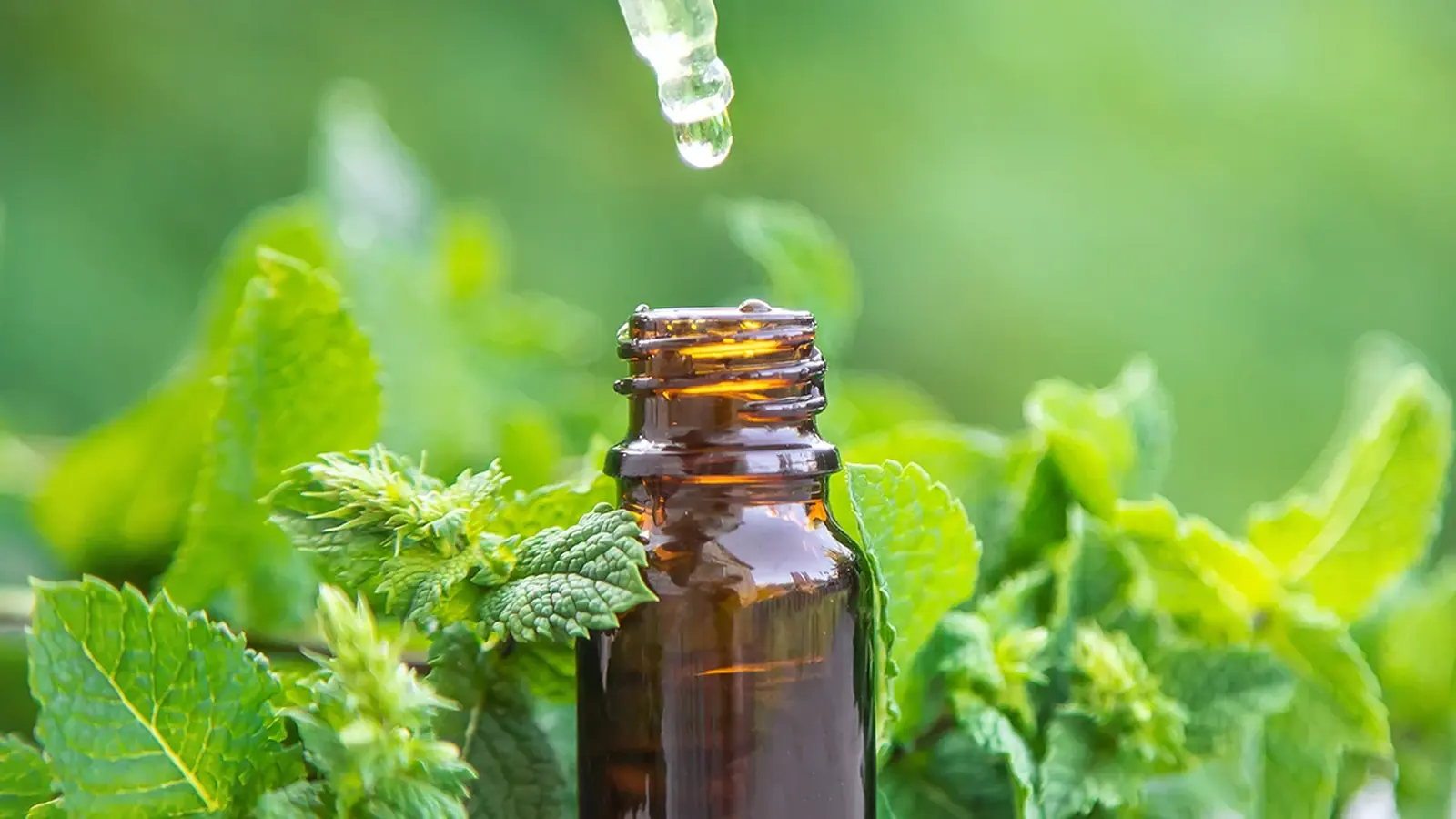

Could the mint on your windowsill be a low-cost ally against high blood pressure? A controlled trial in the UK suggests the answer might be closer to yes than many expect.
Forty adults aged 18 to 65 with pre-hypertension or stage 1 hypertension took part in a 20-day experiment. Half received a measured dose of peppermint oil—50 microliters diluted in 100 milliliters of water, taken twice daily—while the other half took a placebo. The goal was straightforward: test whether a simple, widely used botanical extract could nudge cardiovascular numbers in the right direction.
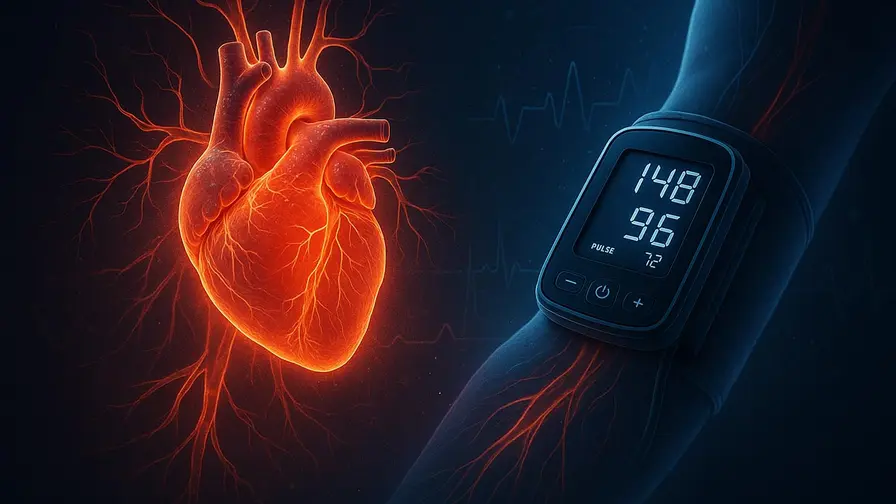
Participants who took peppermint oil saw an average drop in systolic blood pressure of 8.48 mmHg compared with placebo. That’s roughly an eight-point fall on the top number of a blood pressure reading. To put that into perspective, clinicians often note about a 20% reduction in risk for major heart events for every 10 mmHg drop in systolic pressure—so even an 8-point fall is clinically meaningful.
The study didn’t stop there. Diastolic pressure (the lower number) fell by an average of 4.57 mmHg in the peppermint group, and resting heart rates were lower too—about 8.92 beats per minute slower after statistical adjustment. Those are concrete shifts for just three weeks of supplementation.

Lead author Jonnie Sinclair of the University of Lancashire and colleagues published the trial in PLOS One. They are cautious but optimistic. Peppermint extracts have a long history as digestive aids and anti-inflammatories; now there’s early evidence they may relax blood vessels, probably through menthol’s effects on smooth muscle and vascular tone. The biochemical details need follow-up, but the signal in this small, controlled trial is hard to ignore.
Why does this matter? High blood pressure remains the single biggest preventable risk factor for cardiovascular death worldwide. Lifestyle changes—diet, exercise, weight loss—work well on paper. In practice, persistence is the bottleneck. Medications are effective, but adherence and side effects can limit their impact. A cheap, calorie-free, and well-tolerated supplement would be an attractive adjunct for people at the early stages of hypertension.
Still, caution is warranted. This was a short study with a specific formulation, dose, and participant profile. The peppermint oil used, the dilution, and the twice-daily schedule are all part of the controlled setting; swapping in a commercial mint tincture or dialing up doses at home is not advised. The authors explicitly call for larger, longer trials with continuous blood pressure monitoring and diverse populations to confirm safety and durability of the effect.
So what should a curious reader take away? The trial adds to growing evidence that plant-derived compounds can influence cardiovascular physiology in measurable ways. It doesn’t hand you a new treatment to self-prescribe, but it does point scientists and clinicians toward an inexpensive candidate for further study—one that could complement established lifestyle and pharmacological strategies for managing early hypertension.
Researchers will need to replicate the finding, tease apart the mechanism, and test whether the effect holds over months or years. Until then, anyone thinking about trying peppermint oil as a blood-pressure aid should talk with their doctor. A promising signal, yes. A finished therapy, not yet.
Discussion
Leave a Comment
Comments
No comments yet. Be the first.