
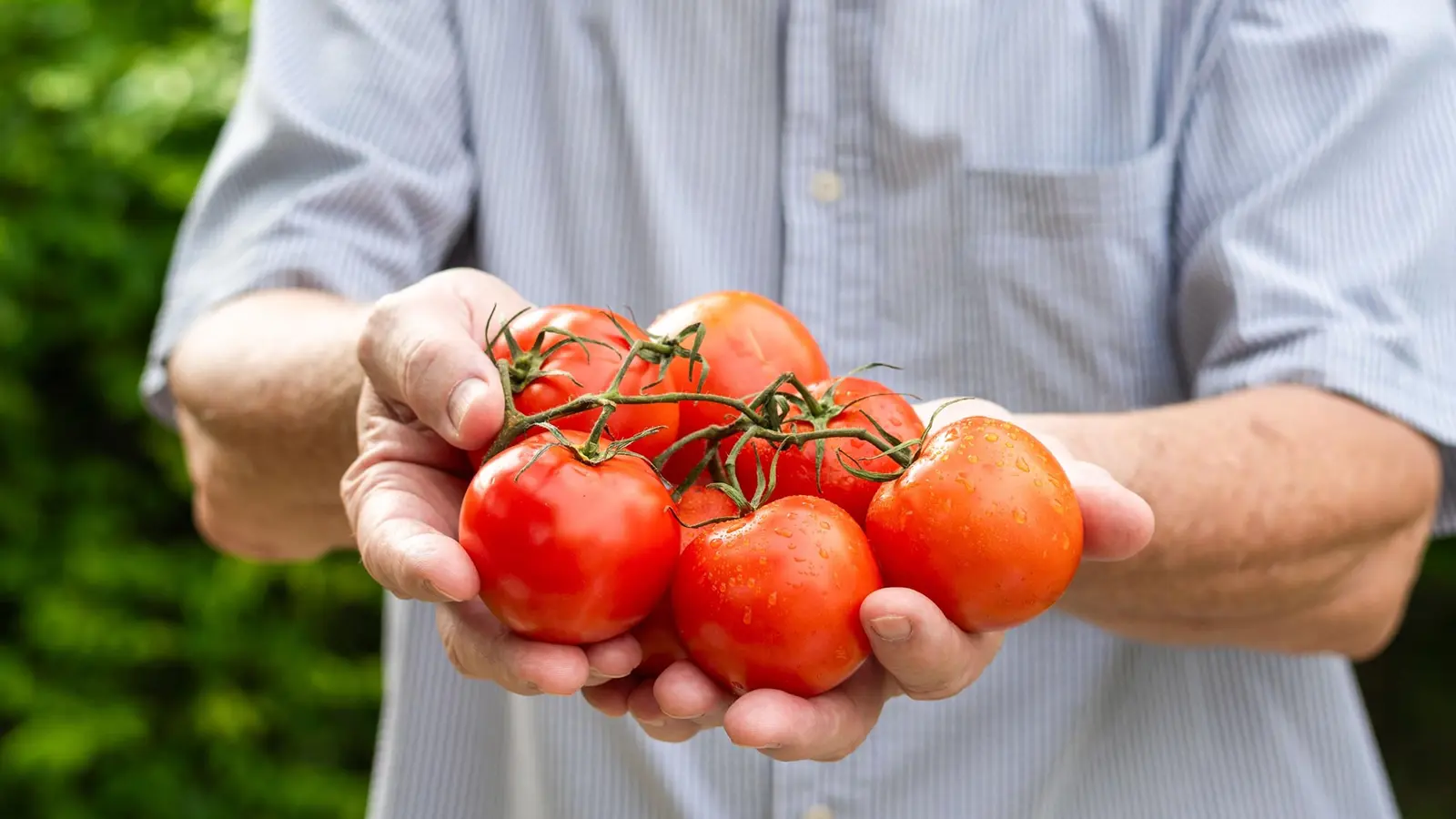
When you think of tomatoes, red comes to mind. But tucked inside that familiar flesh is a nearly invisible compound that might do more for the liver than the pigment that makes the fruit famous.
Scientists at Tufts University report that phytoene, a colorless carotenoid precursor to lycopene, dramatically reduced fatty liver in mice fed a diet meant to mimic the high-sugar, refined-carbohydrate patterns linked to metabolic liver disease in people. The results, published in Molecular Nutrition & Food Research, offer a plausible reason why whole tomato products sometimes outperform purified lycopene in animal experiments.
Fatty liver—technically metabolic dysfunction-associated steatotic liver disease—can be alarmingly stealthy. Fat builds up inside liver cells with few early warning signs. Over time, that stored fat can provoke inflammation, scarring and, in severe cases, cirrhosis. Estimates suggest the condition affects up to 38% of U.S. adults and is far more common among people with obesity or diabetes.
Tomatoes have long been on researchers’ radar because of consistent links to better liver outcomes in animal studies. Lycopene, the red pigment and antioxidant, naturally drew attention. But whole tomato powder has often protected animals more effectively than isolated lycopene, implying other molecules are at work. Phytoene emerged as a strong candidate: plants use it early in the carotenoid assembly line, and unlike most carotenoids it is colorless and surprisingly well absorbed by the body.

To probe its effects, the Tufts team fed mice a refined-carbohydrate diet for six months. Half the animals also received phytoene at a dose comparable to someone eating three to four medium raw tomatoes a day, or roughly 100 grams of tomato paste. Despite identical diets otherwise, mice given phytoene developed much less severe fatty liver.
What explained that protection? The researchers looked at gut microbes, gene activity and liver proteins. Changes to the microbiome didn’t track with the benefit. Instead, phytoene appeared to flip metabolic switches in the liver, nudging cells to burn excess fat for energy rather than stashing it away.
One unexpected twist complicates the simple story of a single helpful molecule: mice genetically engineered to lack two enzymes that normally convert carotenoids into smaller metabolites accumulated even more phytoene in their tissues, yet they didn’t receive the same liver protection. That result suggests phytoene may act through downstream metabolites rather than in its intact form—metabolites that the body produces only after enzymatic processing.
That enzymatic step matters for people, too. Genetic differences in carotenoid-processing enzymes could change how much beneficial metabolite a person makes from the same amount of phytoene in food. Biological sex may also influence the equation: female mice showed greater phytoene accumulation in the liver than males, hinting at sex-specific differences in absorption or metabolism that remain to be untangled.
Phytoene is not exotic. It’s abundant in a range of everyday fruits and vegetables—yellow, orange and red tomatoes, yes, but also carrots, red peppers, pink grapefruit, watermelon and apricots. If follow-up studies in humans confirm these findings, promoting a diet richer in phytoene-containing produce could be a low-cost strategy to help prevent or slow progression of metabolic fatty liver in high-risk groups.
For now, the study reframes how we think about the tomato’s benefits: sometimes the most influential ingredients are the ones you cannot see.


Leave a Comment
Comments
No comments yet. Be the first.