
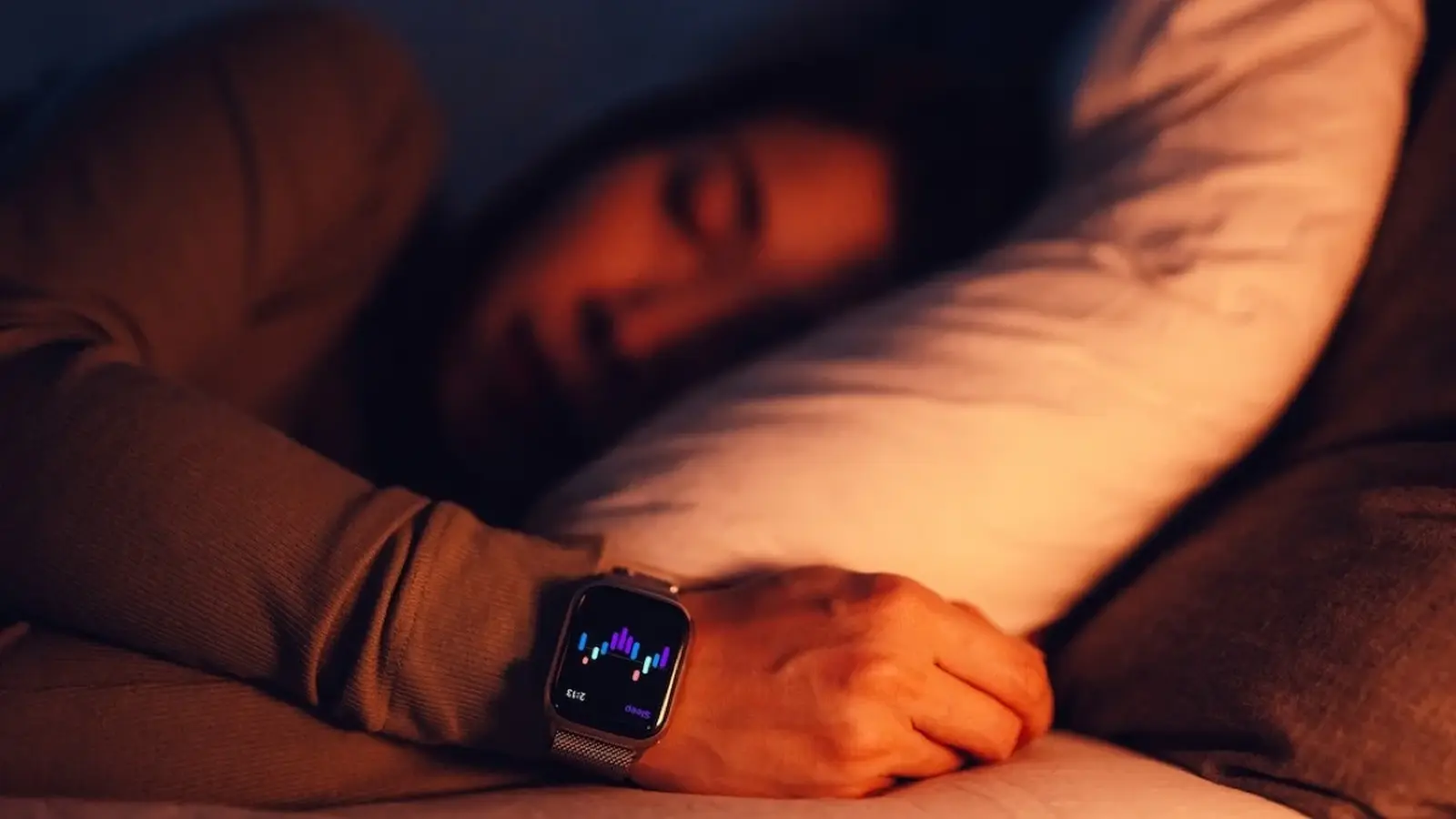
Inevitably you glance at the wrist in the morning. The watch says eight hours. You feel exhausted. What gives?
That mismatch is exactly what a new systematic review in Sleep Medicine set out to investigate. Researchers Narat Srivali at Duke and Wisit Cheungpasitporn at the Mayo Clinic pooled data from five studies involving roughly 2,000 people and found a stubborn gap between what wearables report and how users actually feel.
Wrist devices do one thing well: they estimate how long you spent asleep. They track movement and heart rate and turn that into neat charts. But sleep is more than minutes and beats. Subjective sleep quality—the sense of falling asleep easily, staying asleep, and waking refreshed—is shaped by mood, expectations, and subtle wakefulness that motion sensors can miss. The review found that wearable measures explained only about 2.5 to 16.2 percent of the differences in how people rated their own sleep.
Numbers bring the disconnect into sharp relief. In one study included in the review, a Fitbit produced acceptable lab agreement for 82 percent of good sleepers, but for just 39 percent of people with insomnia. Fitbits tended to miss wake episodes, overestimated total sleep time by around half an hour, and inflated sleep efficiency by roughly eight percent. Older adults and people with depression were particularly likely to report poor sleep even when devices suggested otherwise.

Some readers might point to polysomnography, the lab based gold standard that records brain waves and eye movements, and ask whether wearables at least match that. Many devices have been validated against PSG for sleep staging and duration. Yet PSG itself does not always align with how a person feels. Insomnia, after all, is diagnosed by reported symptoms and sleep diaries rather than raw PSG numbers. A patient can have normal physiological markers and still wake unrefreshed.
That distinction matters for clinicians. As the authors note, patients increasingly arrive with wearable printouts in hand. Those charts can be useful for spotting broad trends in sleep duration over weeks or months. But they should not replace validated subjective assessments. If someone reports poor sleep despite reassuring device metrics, the sensible path is further clinical evaluation rather than automatic reassurance based solely on an app.
The reason is not technical failure alone. Movement and heart rate capture physiology, but they cannot read the mind. Mood disorders, worry about sleep, and personal expectations shape perception in ways sensors cannot record. One person with fragmented sleep may still feel satisfied; another with biologically normal sleep may feel drained. Wearables are blind to that inner landscape.

It is also worth noting that four of the five studies in the review used Fitbit hardware and only one examined the Apple Watch. Whether other brands or future algorithms close the gap is an open question. A separate survey from Norway found that few users experienced better sleep after adopting trackers, and that people with insomnia often developed negative thoughts about their sleep when they focused on device output.
Practical takeaways are straightforward. If you use a sleep tracker, treat its numbers as one piece of a larger puzzle. Keep a sleep diary if symptoms persist. Be cautious about assuming a device can diagnose insomnia or substitute for a clinical conversation—especially if mood symptoms or older age are involved. If you feel unrefreshed night after night despite seemingly good metrics, seek evaluation.
Gadgets can illuminate patterns. They cannot tell you how it feels to live in your skin. That, it turns out, remains a human judgement.


Leave a Comment
Comments
No comments yet. Be the first.