
3 Minutes
Imagine hauling a 25-tonne boulder across miles of rough Yorkshire terrain. No engines. No modern ropes. Just people, planning and sheer will.
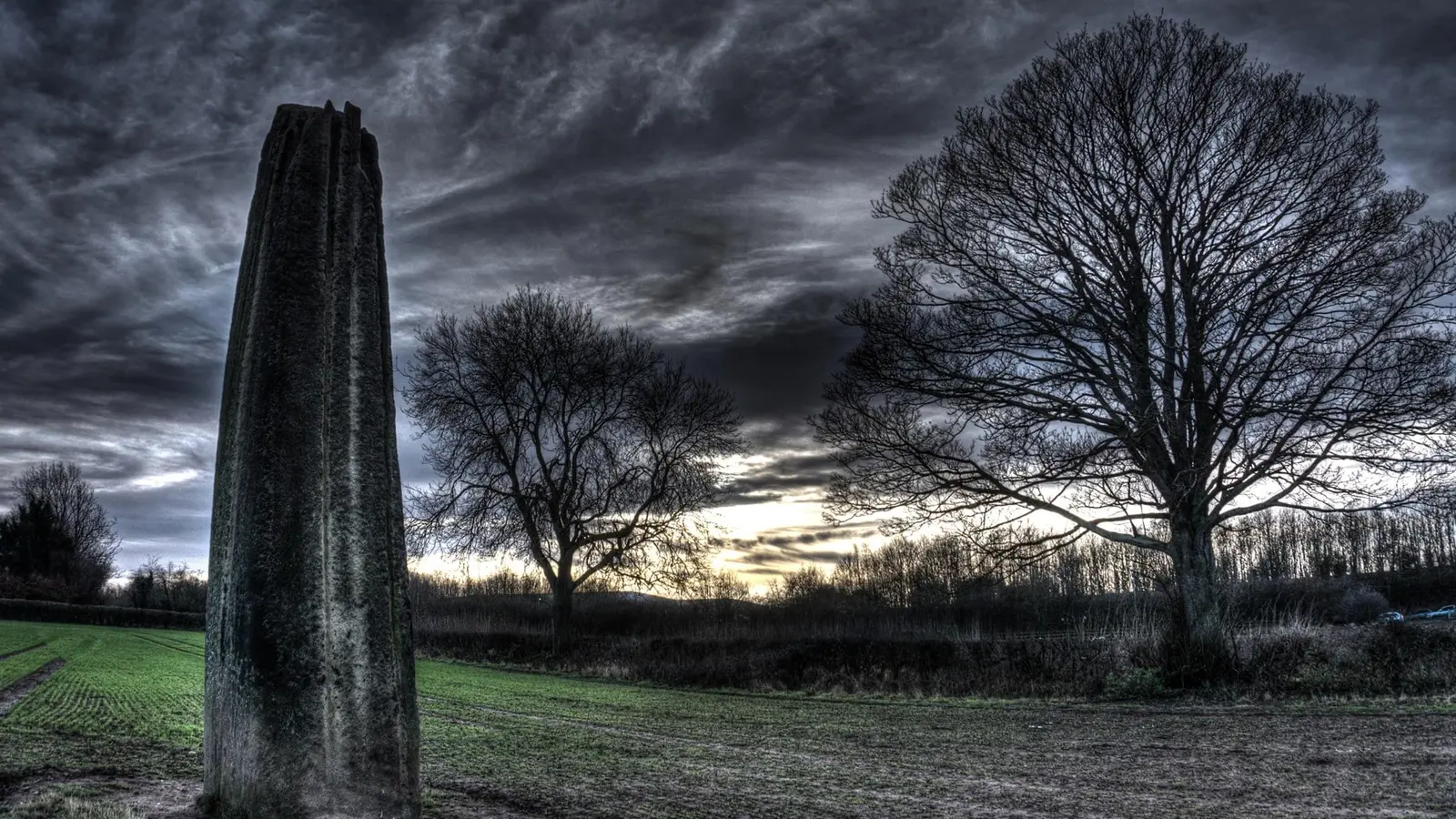
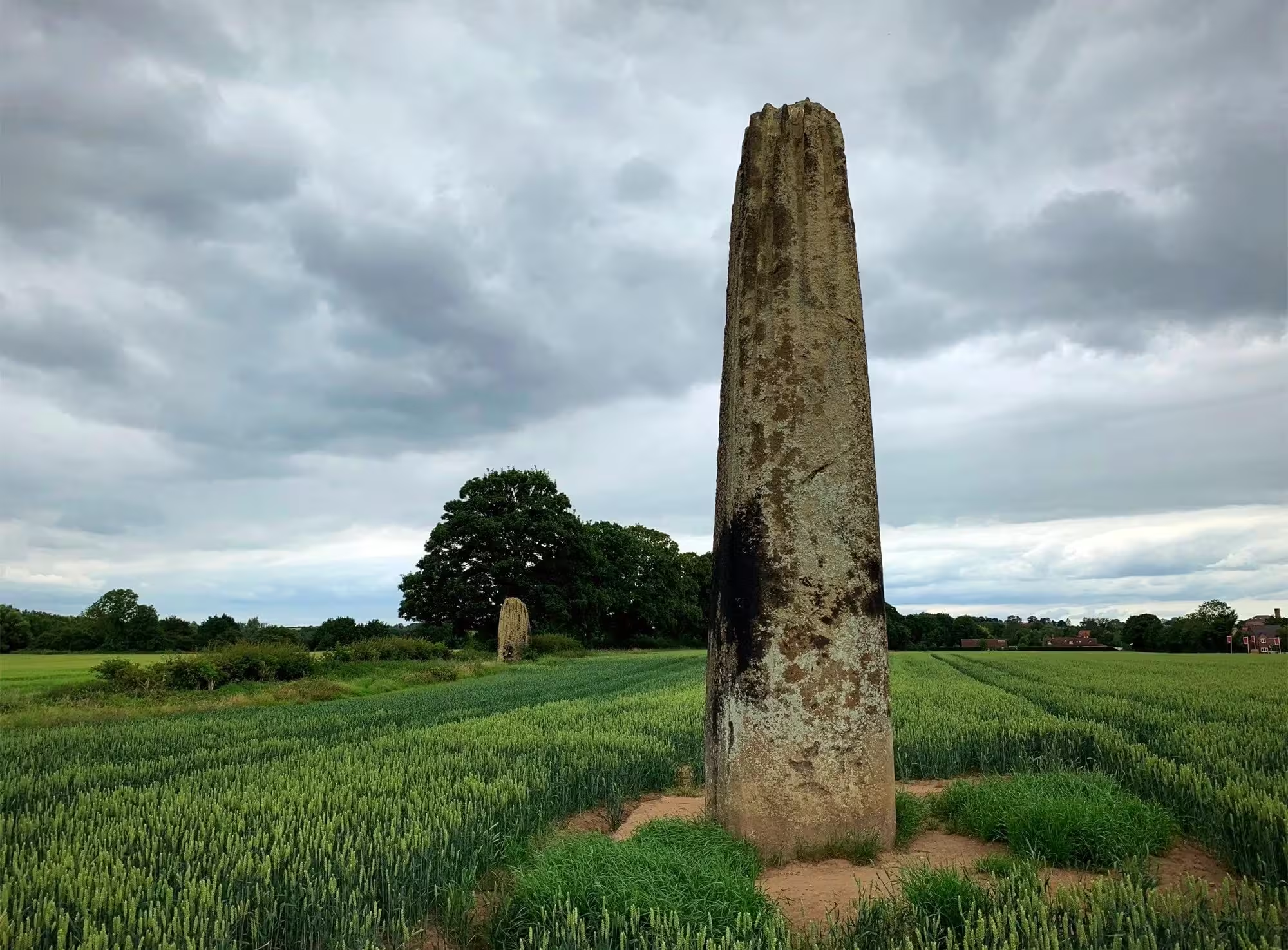
That image is now grounded in evidence. New geological sleuthing led by Curtin University, with collaborators at the University of York, has traced the stones of the Devil’s Arrows—the tallest surviving stone row in Britain—to Brimham Rocks, a rugged outcrop some 18 kilometres from the monument near Boroughbridge. These standing stones rise to about seven metres and have puzzled antiquarians and archaeologists for centuries.
The team dated tiny mineral grains scraped from the stones using a noninvasive adhesive-tape technique. Those mineral ‘fingerprints’ matched Brimham’s rocks and allowed researchers to rule out passive transport by glaciers. The implication is clear: people moved the blocks deliberately, carrying or hauling them across a landscape where suitable stone stood much closer than the dramatic quarry they chose.
“They didn’t take the easy option,” says Dr. Anthony Clarke of Curtin’s Timescales of Mineral Systems Group. Short sentence. Intentional choice. Transporting stones this heavy would have demanded careful organization and engineering skill—knowhow that forces a rethink of how prehistoric communities approached monument building.
Previously, Plumpton Rocks, nearer to the Devil’s Arrows, had been proposed as the source. The new match with Brimham turns that idea on its head. Why make the extra effort? The simplest answer is seldom the whole one. Brimham Rocks is a dramatic, storied landscape; its selection hints at cultural, symbolic or ritual reasons as much as practical ones.
Dr. Jim Leary of the University of York points out that the find reframes the monument as part of a broader landscape of meaning. It wasn’t only a matter of moving stone. It was about connecting places—pulling a piece of that meaning into a new setting and fixing it there for generations to read and re-read.
The adhesive-tape approach matters because it leaves the stones intact while yielding precise geological data. Tiny grains, invisible to the casual eye, carry isotopic and age information that act like location stamps. With that evidence the researchers could also discount glacial transport: natural forces didn’t do the heavy lifting people did.
Next steps are already planned. The team wants to apply the same low-impact sampling to other enigmatic standing stones and to conduct targeted excavations both at the Devil’s Arrows and at Brimham. Those digs could reveal when the stones were felled and how teams marshalled resources to move them.
For now, two Yorkshire landmarks are tied together by a 4,000-year-old human story—one of intention, effort and landscape choice. What other narratives are etched into the bedrock if we only know where to look?


Leave a Comment
Comments
No comments yet. Be the first.