
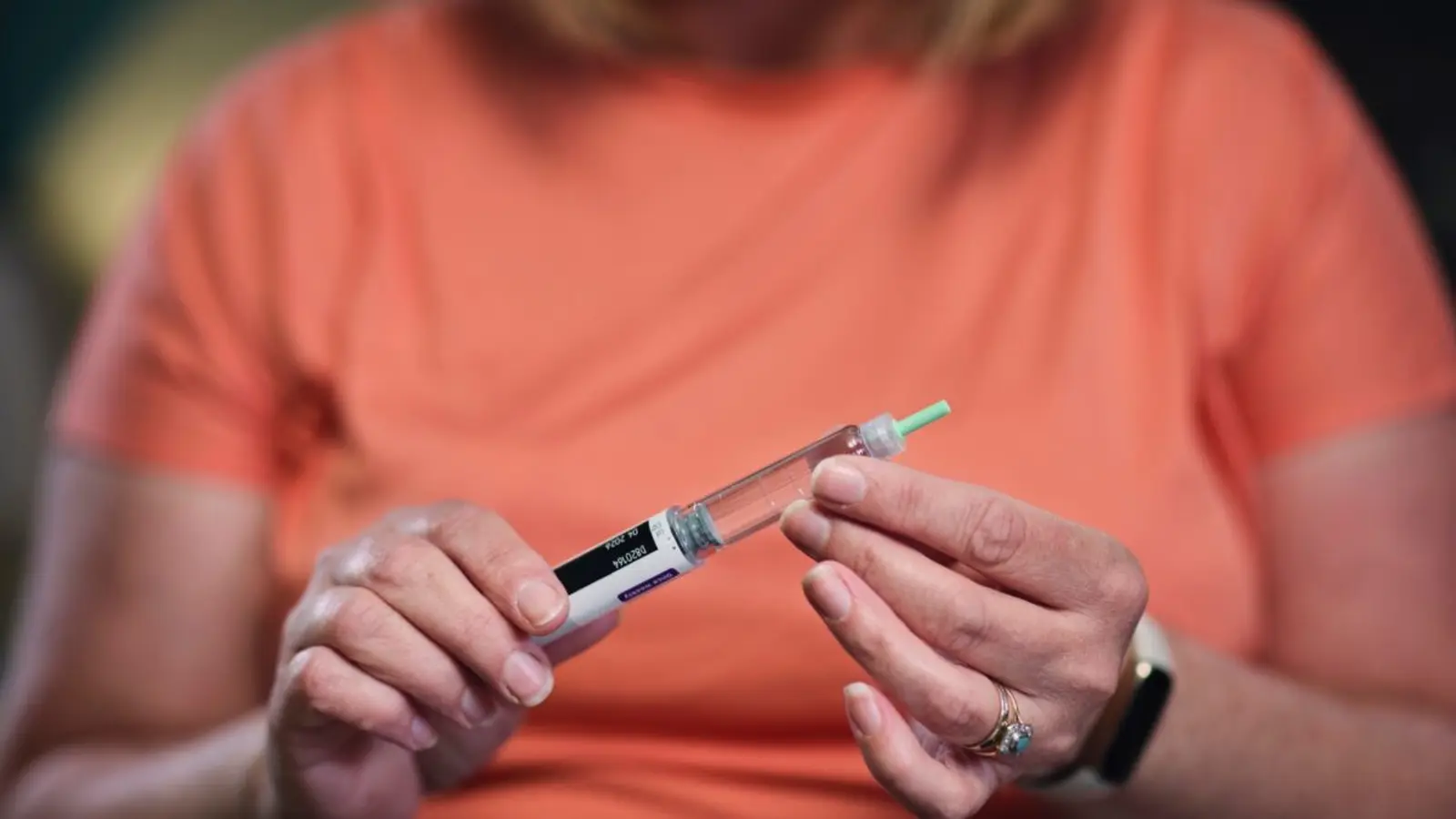
Imagine coming out of anesthesia only to find you've inhaled your own stomach contents. It sounds like a nightmare scenario — and a new UK study suggests patients taking GLP‑1 drugs face a markedly higher chance of that very complication.
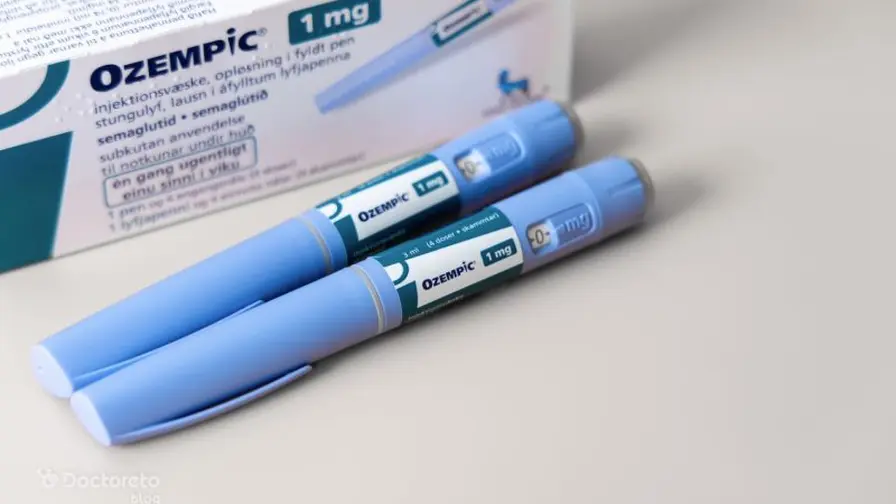
The research, led by anesthesiologist Kariem El‑Boghdadly at King’s College London, analyzed records from more than 47,000 patients who underwent elective or emergency procedures under anesthetic care across the country. The headline number is hard to ignore: people on GLP‑1 receptor agonists — drugs such as semaglutide (Ozempic, Wegovy) and tirzepatide (Mounjaro) — were about 11 times more likely to regurgitate stomach contents during anesthesia than those not taking these medicines.
That elevated relative risk translated to roughly one regurgitation event per 71 patients on GLP‑1 drugs versus one per 802 in the non‑GLP‑1 group — a large relative jump, but an absolute risk that remains small.

Why does this happen? GLP‑1 medications slow gastric emptying. An anesthetized patient cannot protect their airway; if stomach contents come up, the material can then enter the lungs, causing aspiration injury or airway blockage. Add muscle‑relaxing drugs used during surgery and the danger can compound.
Crucially, the study found regurgitation could occur at any point — at induction, during the operation, or as patients regained consciousness — though awakening was a common moment for events to happen. Two of the recorded cases in patients on GLP‑1 therapy resulted in pulmonary aspiration.
The investigators examined 1,348 patients receiving GLP‑1 drugs, so while the 11‑fold figure is attention‑grabbing, the number of actual aspiration events was small. That leaves room for caution in interpreting causation. Obesity and diabetes, which often accompany GLP‑1 use, are independently linked to aspiration risk and may confound the association. The authors call for prospective studies to clarify cause and identify effective perioperative strategies.
One practical puzzle the study exposes is timing: many clinicians recommend pausing GLP‑1 drugs before surgery, but how long? Semaglutide and tirzepatide have long elimination half‑lives — about seven and five days respectively — which means fully clearing the drug could require roughly five half‑lives (around 25–35 days). Yet stopping treatment for that long carries its own downsides for blood sugar control and weight‑management goals.
Some hospitals in the UK advised patients to withhold GLP‑1 drugs for eight to 14 days preoperatively. But the data suggest that such short pauses may not restore normal gastric emptying and could create other medical or logistical problems. The American Society of Anesthesiologists currently recommends that most patients continue GLP‑1 therapies before elective procedures, while advising a 24‑hour liquid diet for those judged at high risk of gastrointestinal side effects.
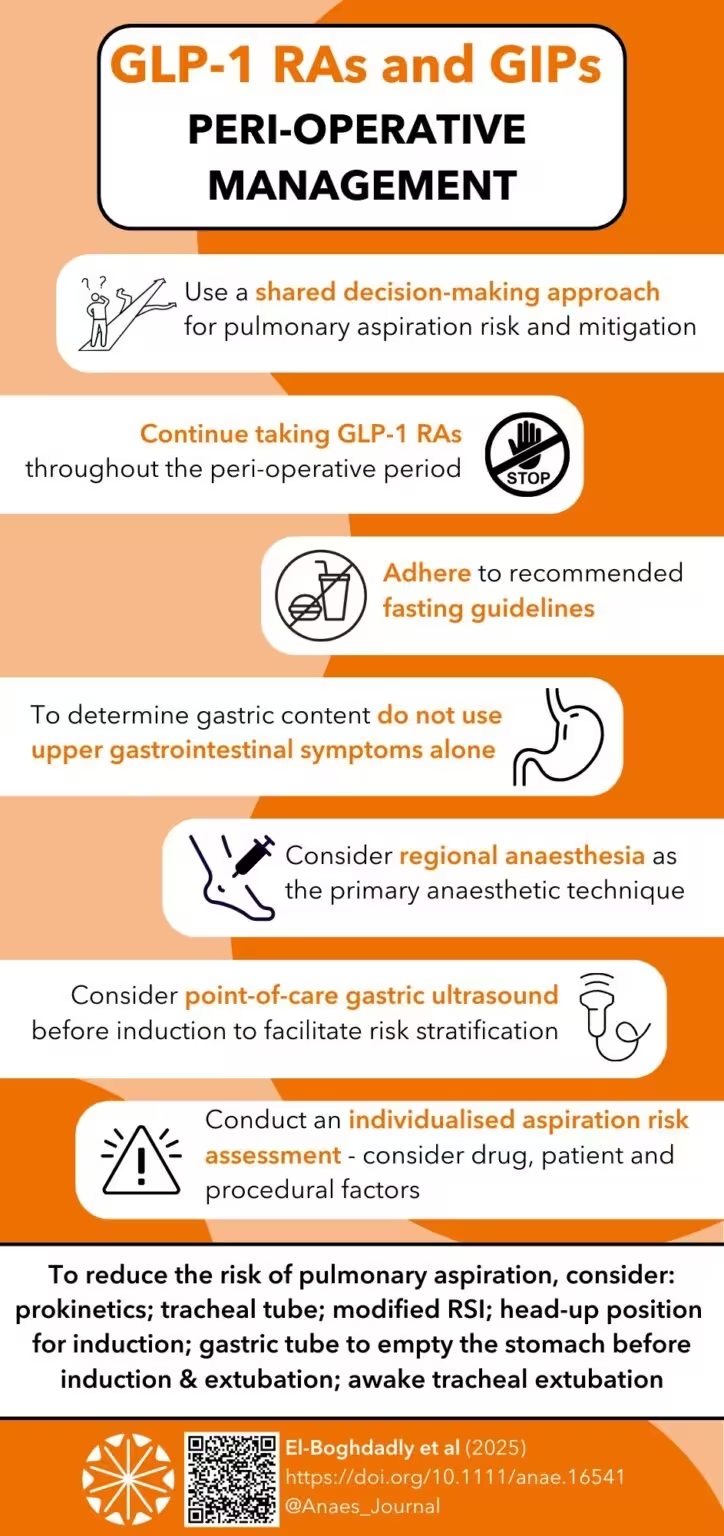
Another complication: many people obtain GLP‑1 medications outside standard prescribing channels, including through online pharmacies, and may not disclose their use during preoperative checks. That incomplete medicines reconciliation makes it harder for anesthetic teams to assess aspiration risk and to plan appropriate fasting or airway‑management tactics.
For clinicians, the study reinforces the need to ask directly about GLP‑1 use and to weigh the tradeoffs of pausing therapy against the potential harms of delayed gastric emptying. For patients, the message is simple: tell your anesthetist what you're taking. Small omissions at the bedside can have big consequences under anesthesia.
As GLP‑1 drugs reshape diabetes and weight‑loss care worldwide, they are forcing a rethink of perioperative practice. We now need careful, prospective trials to guide safe timing, fasting rules, and airway precautions so that benefits on the scale always come with safety at the bedside.

Leave a Comment
Comments
No comments yet. Be the first.