
2 Minutes
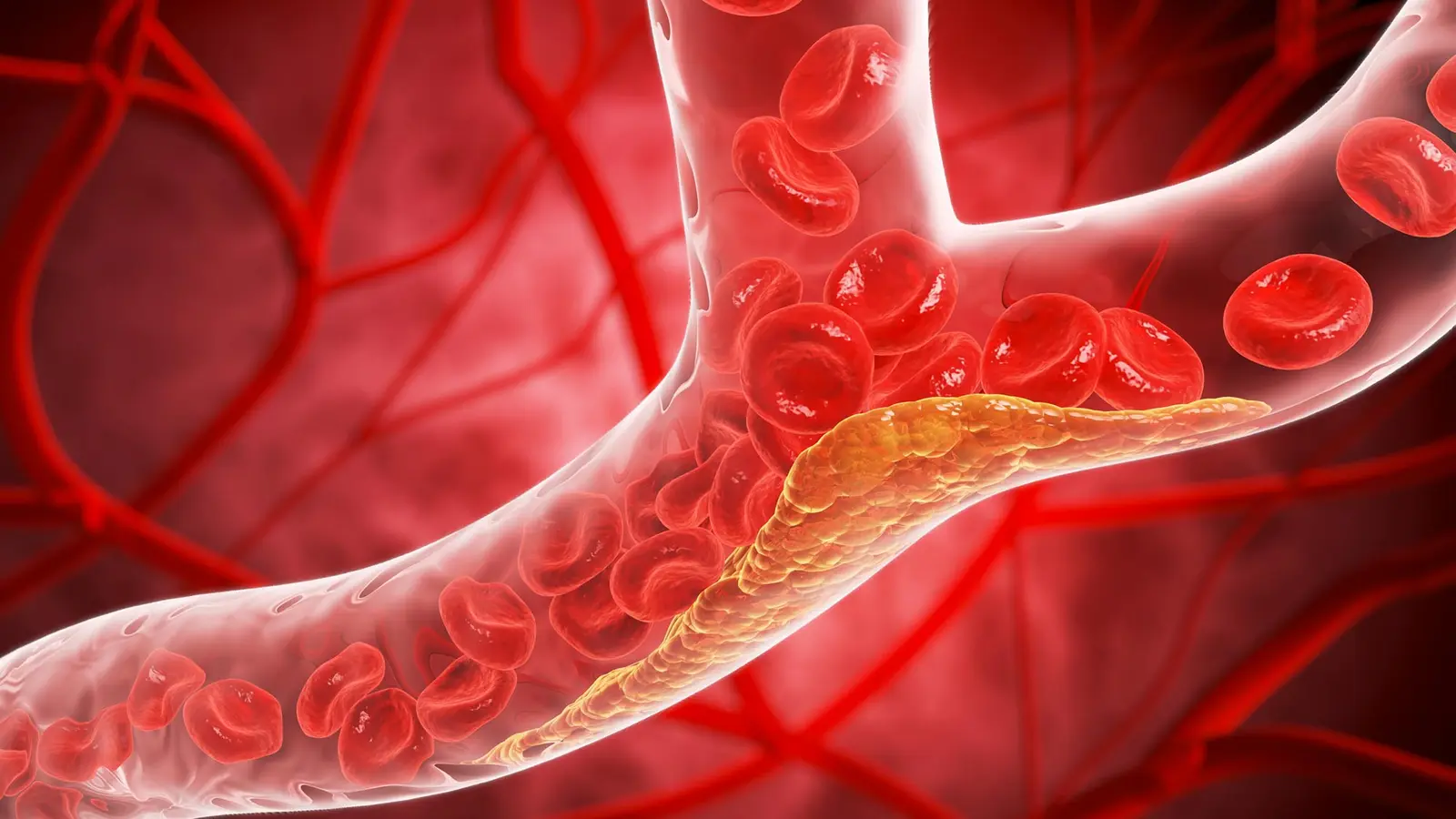
Imagine a single IV that nudges the liver to stop fueling clogged arteries. That is the bold idea behind CTX310, an experimental CRISPR-Cas9 therapy tested at the Cleveland Clinic that, in an early human study, produced large and lasting drops in harmful blood fats.
The approach is elegant in its simplicity: instead of blocking cholesterol with pills taken daily, CTX310 delivers gene-editing machinery to the liver to switch off ANGPTL3, a gene that helps regulate both LDL cholesterol and triglycerides. Turn that dial down and both types of risky fats fall—like lowering the thermostat on a furnace that has been running too hot.
The first-in-human Phase 1 trial enrolled 15 people whose lipid levels stayed high despite standard medications. Each participant received a single infusion of CTX310, with doses between 0.1 and 0.8 mg per kilogram of body weight. Patients were pretreated with corticosteroids and antihistamines to reduce immune reactions, then followed closely for safety and blood-fat markers.
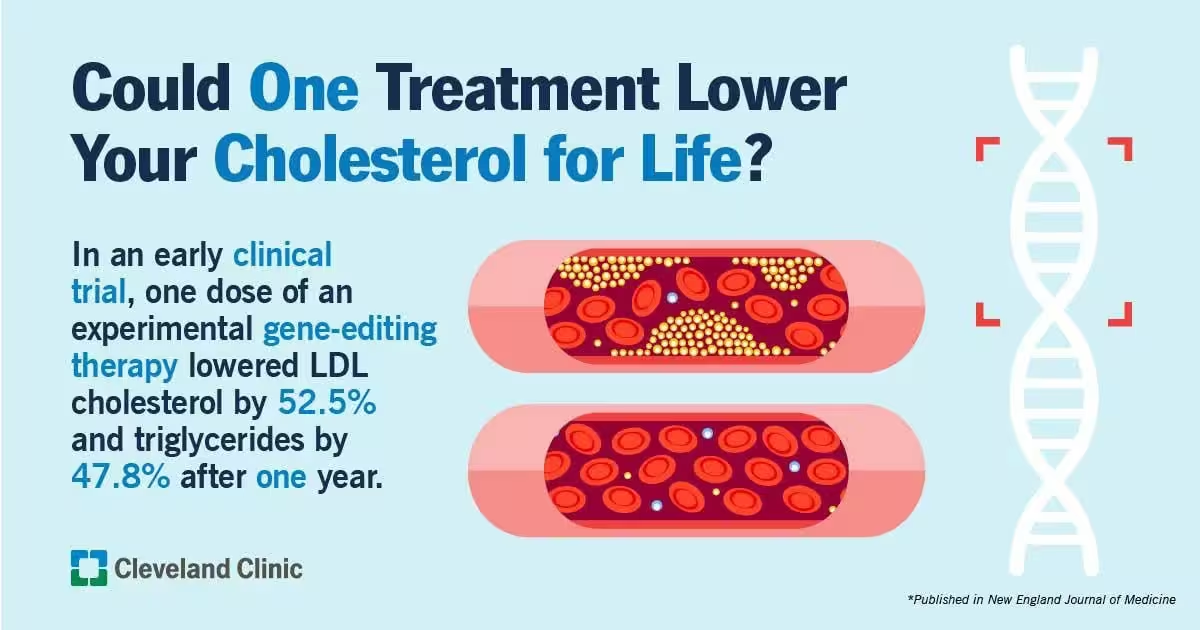
Early signals appeared quickly. Two months after treatment investigators reported reductions in LDL and triglycerides. The new 12-month readout asked a tougher question: would the effect persist? It did. Across dose levels the lipid-lowering effect held through one year, and at the highest dose LDL was down 52.5% while triglycerides fell 47.8% compared with baseline.
A single infusion produced durable, roughly 50% reductions in LDL after 12 months.
Safety so far has been reassuring but the caveats are real. In this small study there were no serious adverse events attributed to CTX310 during the 12-month follow-up, yet the cohort is tiny and longer surveillance is essential. Participants will continue periodic checks under the 15-year safety monitoring that the FDA recommends for gene-editing therapies.
What does this mean for patients? If larger trials confirm the signal, a one-time or infrequent gene-editing intervention could complement—or in some cases replace—lifelong lipid-lowering therapy, especially for people whose cholesterol remains stubbornly high despite drugs. But larger, controlled studies are required to map dose effects, durability beyond a year, and rare safety risks.
For now, CTX310 represents a provocative proof of concept: targeted editing of an liver gene can remodel lipid profiles for months on end. Scientists will press forward, cautious and curious, as they test whether this promising start can become a reliable tool against heart disease.


Leave a Comment
Comments
No comments yet. Be the first.