
2 Minutes
A wildcat that walked past scientists for years was hiding in plain sight. Rescued from the side of a road in Bolivia, the little feline that locals had long called tilcayo has now been shown to belong to an entirely new species.
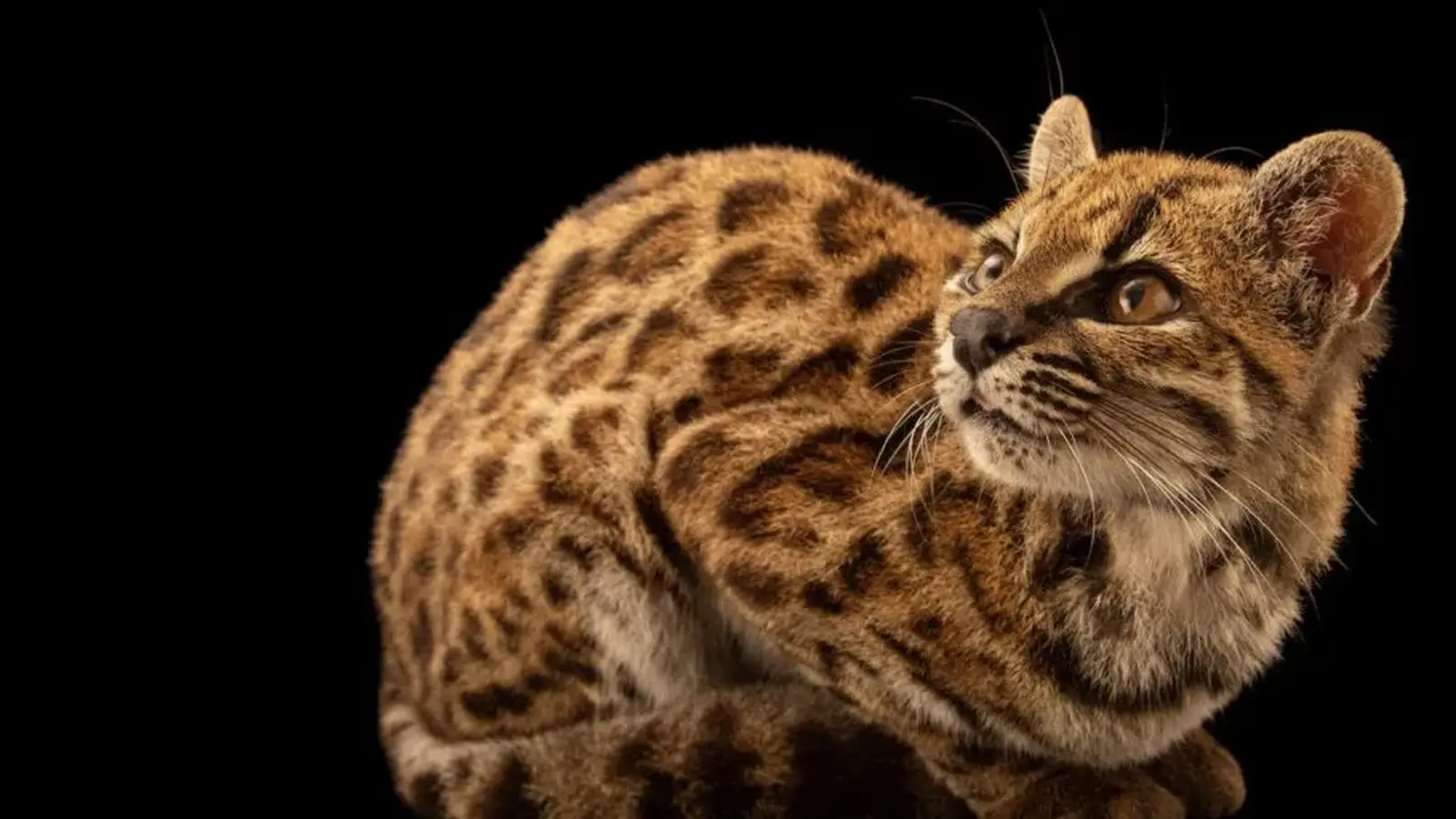
At first glance it looks like a mini-leopard. Its coat is light brown, patterned with relatively large, irregular ringed spots in shades from dark brown to near-black. The spine tends to be darker, the flanks lighter. The body, excluding the tail, measures roughly 425 to 505 millimeters and the tail adds another 250 to 265 millimeters. Weight sits near 1.4 kilograms — smaller than many domestic cats, but unmistakably wild in form.
The animal was familiar to people of the Yungas long before scientists took notice. Locals used the name tilcayo, passed down through generations. In 2016 a man found a male kitten by the roadside, kept it at home for about a year thinking it was an unusual house cat, and then surrendered the animal to the Senda Verde wildlife refuge when it became clear the animal was wild. That rescued specimen sparked a chain of scrutiny that would overturn assumptions.
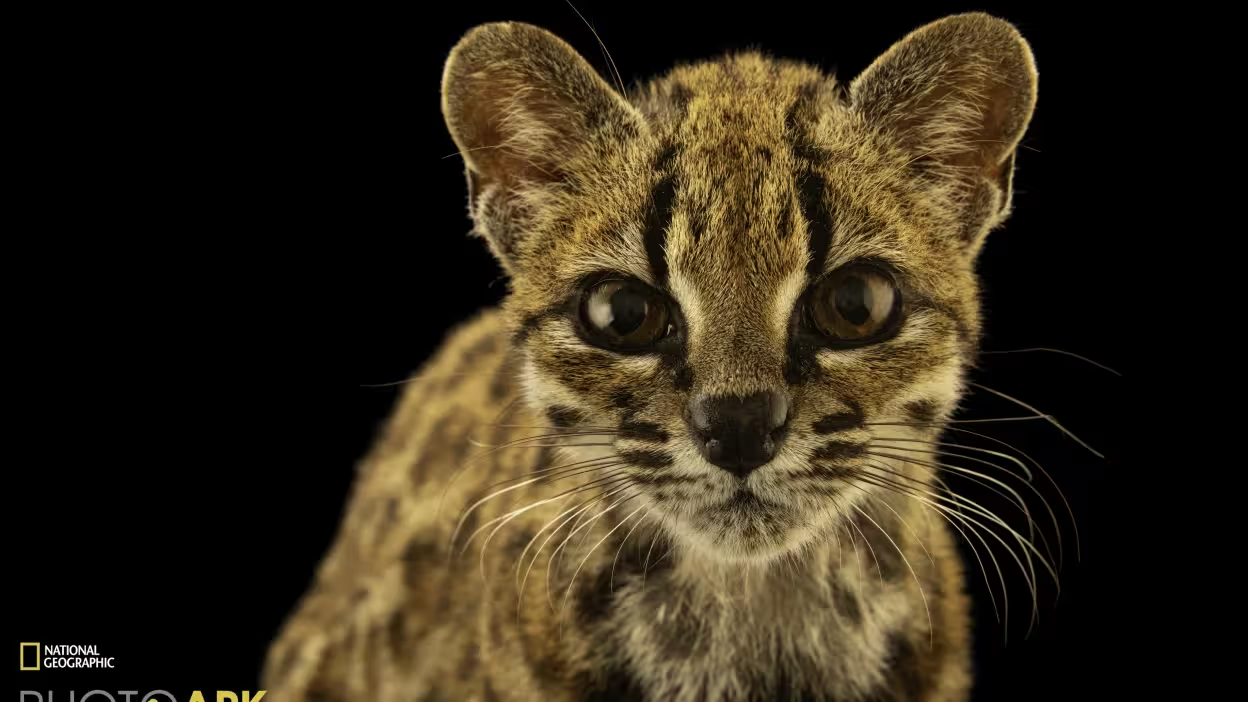
Initially researchers labeled the animal Leopardus tigrinus, the northern tigrina or oncilla. But a closer look at photographs in 2019 raised questions. The patterning seemed different. The tail was longer and bushier. The side spots were larger and less regular. DNA analysis settled the matter. Genetic tests confirmed the tilcayo represents a distinct lineage, one that split from its oncilla relatives about 1.4 million years ago.
Officially named Leopardus tilcayo, this species expands the group of small spotted South American felids often lumped together as oncilla-like cats. With its recognition, the oncilla complex now contains five distinct species. The researchers also note that other museum specimens and field records previously assigned to related species may prove to be misidentified; this discovery invites a careful reexamination of those collections.
Discovery stories like this underscore two truths: local knowledge matters, and careful sleuthing — photographs, morphology, and genetics combined — still yields surprises in well-studied regions. Published in Current Biology, the finding raises an urgent question for conservationists and wildlife managers: how many more species are quietly slipping through our taxonomic nets, living in the shadow of names we assumed we already understood?


Leave a Comment
Comments
No comments yet. Be the first.