
2 Minutes
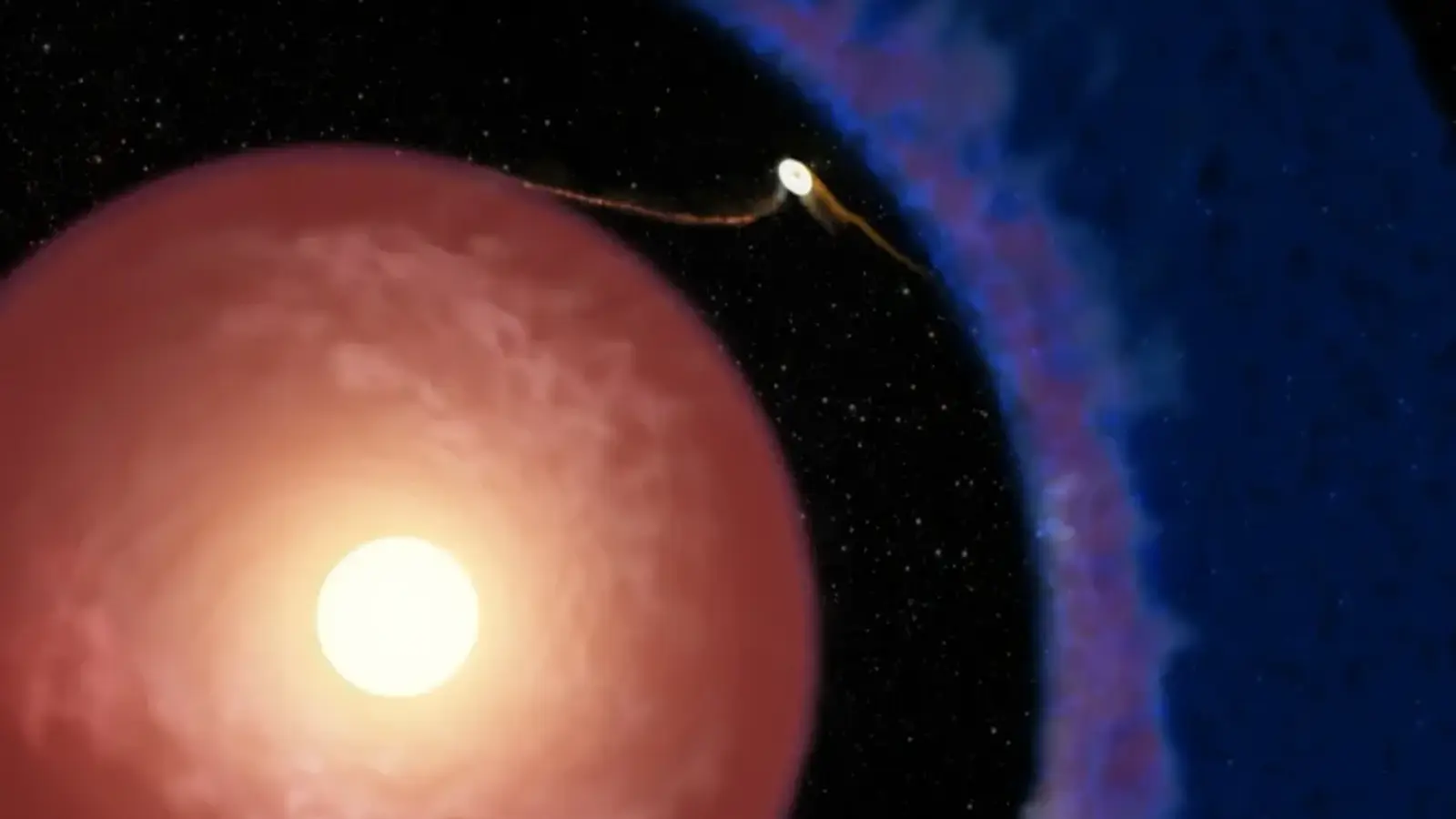
Imagine a planet still wet behind the ears—less than a million years old. Elias 2-24 b orbits a newborn star cloaked in dust and gas about 450 light-years from Earth, and astronomers say it may be the youngest exoplanet we have ever seen.
The object is hefty. Estimates put its mass at roughly two to four times that of Jupiter. It circles its host at a distance roughly twice that of Neptune from the Sun, placing it far out in the system where icy material and gas congregate during the earliest stages of planet assembly.
Seeing a world so young required teamwork across the globe. Researchers combined observations from the W. M. Keck Observatory in Hawaii, the Atacama Large Millimeter/submillimeter Array (ALMA) and the Very Large Telescope (VLT) in Chile to produce a direct image and confirm the planet's presence inside a gap carved into the star's protoplanetary disk.
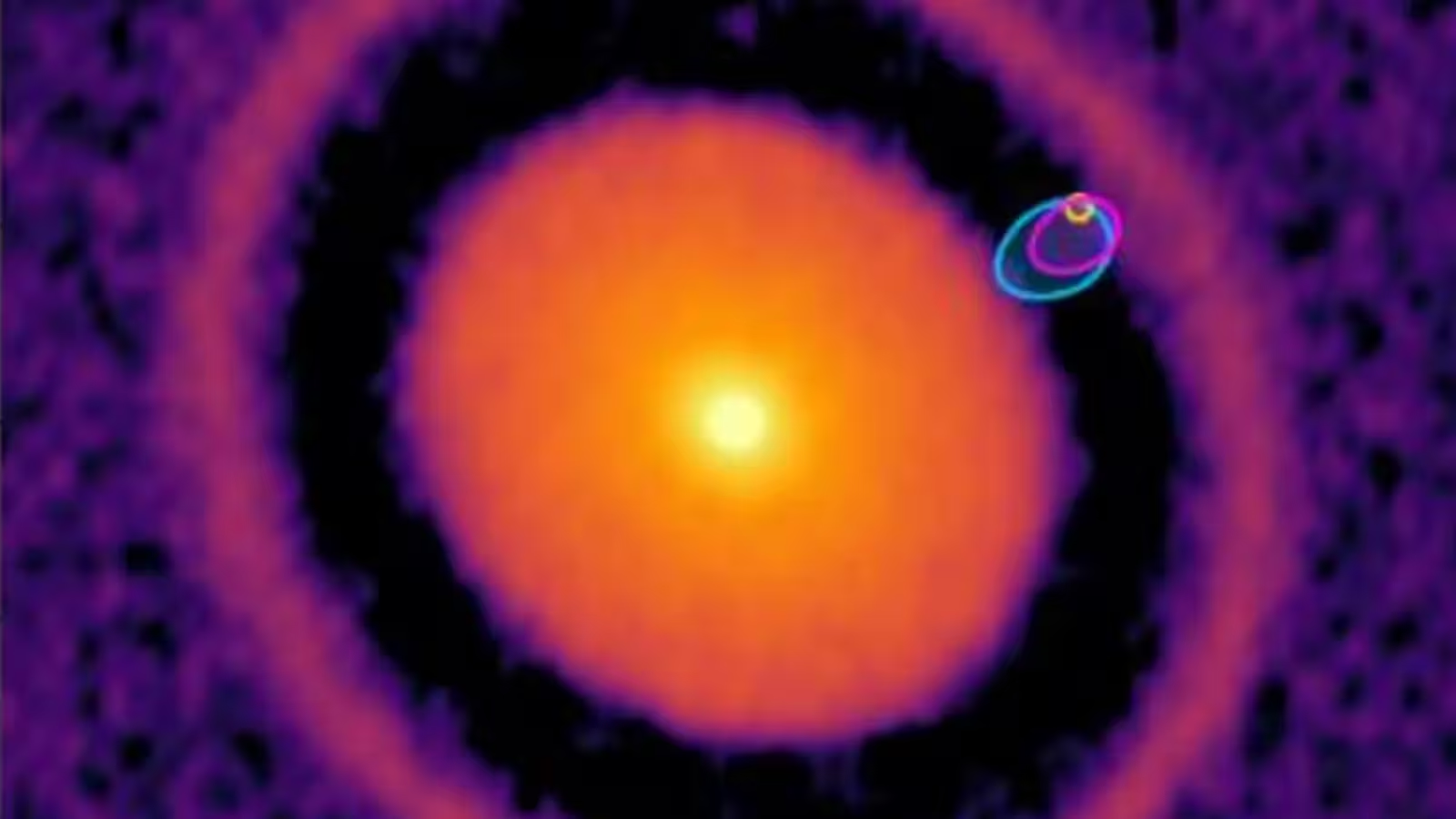
This is the youngest exoplanet ever imaged—under one million years old.
Why does age matter? Because planets this young are snapshots of formation in action. Most exoplanets we’ve photographed until now are at least a few million years old; the well-known PDS 70 planets, for example, are about five million years old. Elias 2-24 b is at least two times younger than any previously confirmed case, offering an unprecedented window onto how gas giants grab mass and carve gaps in their birth disks.
Detecting newborn planets is tricky. The protoplanetary disk must be tipped nearly edge-on for us to spot gaps easily, and the star’s glare often drowns out faint planetary light. Instruments like ALMA reveal the disk structure in radio wavelengths while Keck and the VLT probe scattered and thermal light—combining these perspectives is what made Elias 2-24 b visible.
What can scientists learn next? They can study accretion flows, test models of early atmosphere formation, and watch how a young giant reshapes its surroundings. The upcoming Nancy Grace Roman Space Telescope could expand this census by finding more infant planets before they clear wide gaps, changing our picture of planetary infancy.
The discovery is detailed in The Astrophysical Journal Letters and marks a rare chance to witness the first chapters of planetary evolution—an observational glimpse into the moment a world takes shape in the dust.

Leave a Comment
Comments
No comments yet. Be the first.