
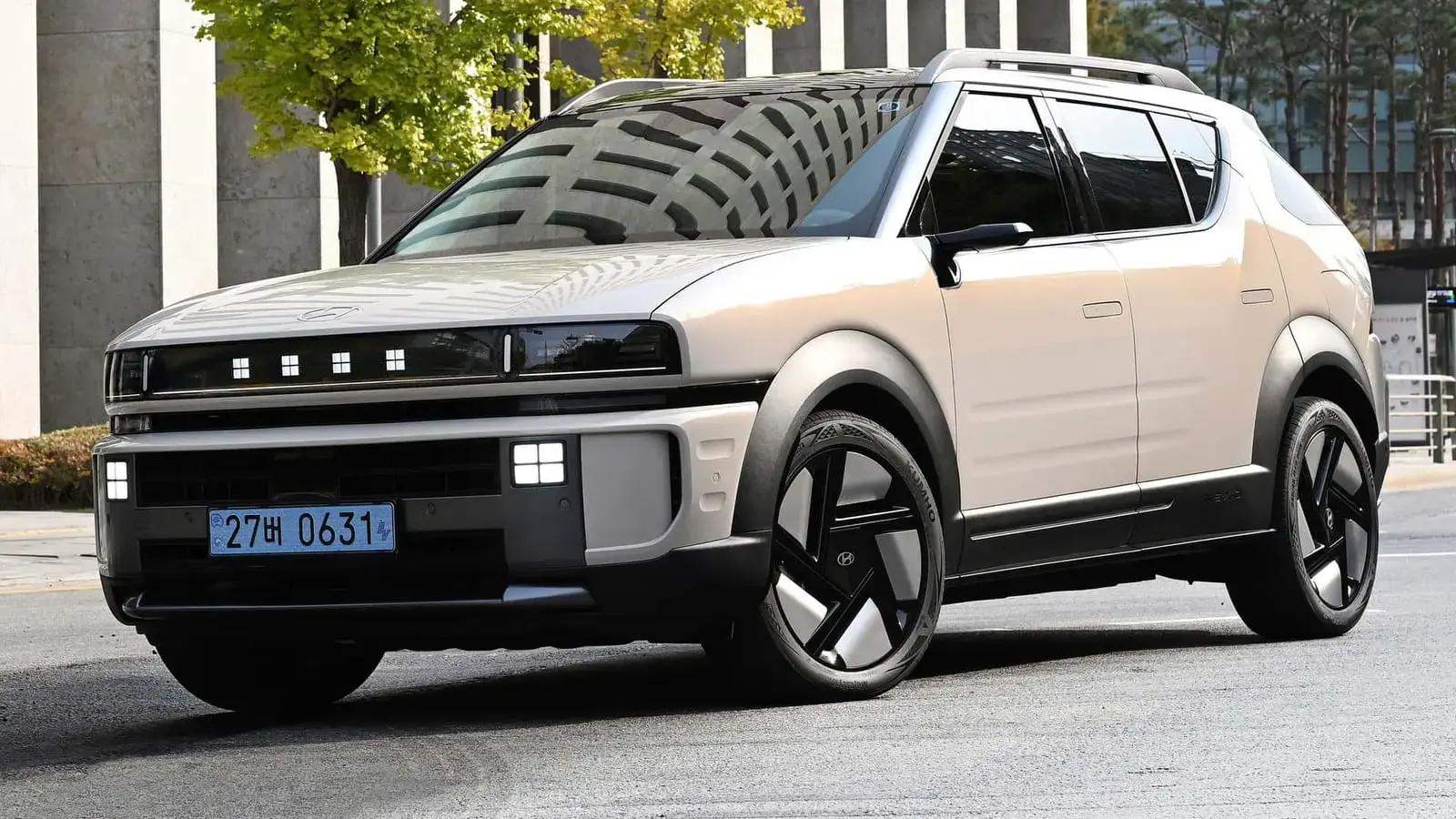
Hyundai says it remains committed to fuel-cell technology but admits commercial adoption for passenger hydrogen cars is faltering because customers are not buying in sufficient numbers. Motor1 reported that Scott Nargar, Hyundai Australia’s head of future mobility and government relations, told CarExpert, "Hydrogen for passenger cars is not dead," while also confirming the company is still evaluating a next-generation fuel-cell vehicle. "The biggest thing you have to find is the customer," he added, identifying weak market demand as the primary barrier to wider rollout.
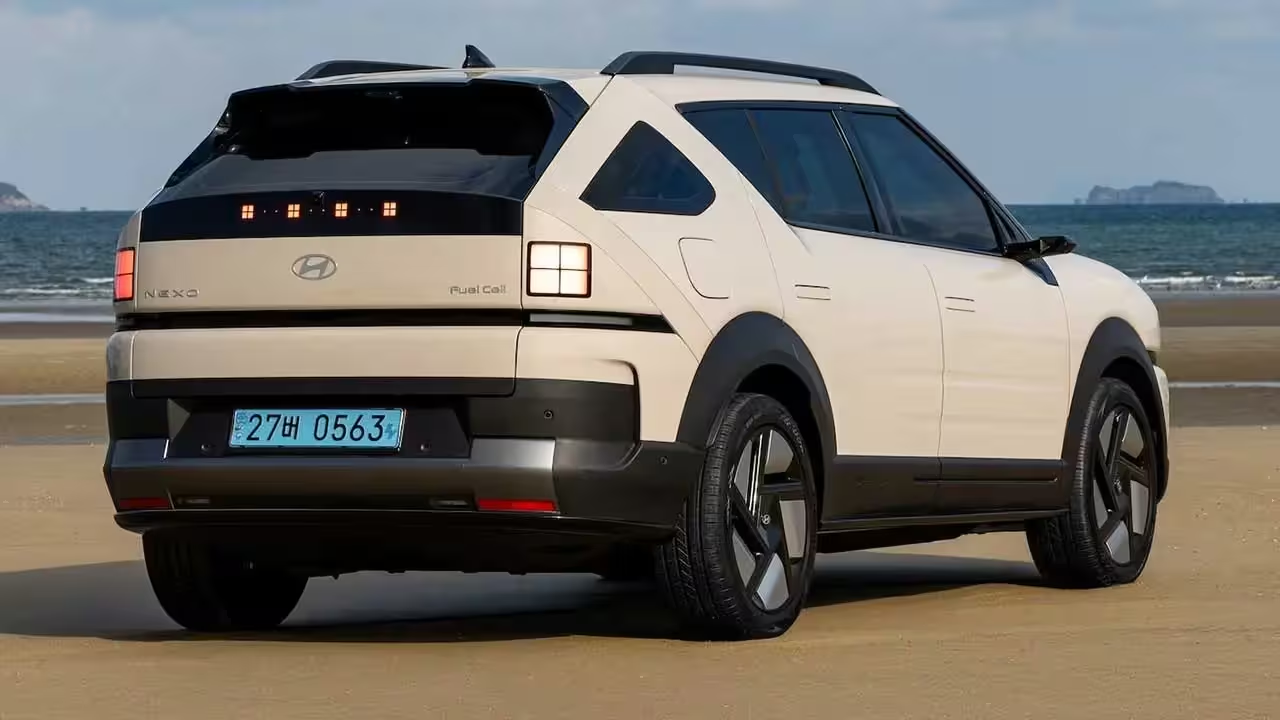
Hyundai’s experience with the Nexo and the limited uptake of the 2026 model underline that engineering progress alone will not secure sales without a viable refuelling network and lower costs.
Market barriers and Hyundai’s position
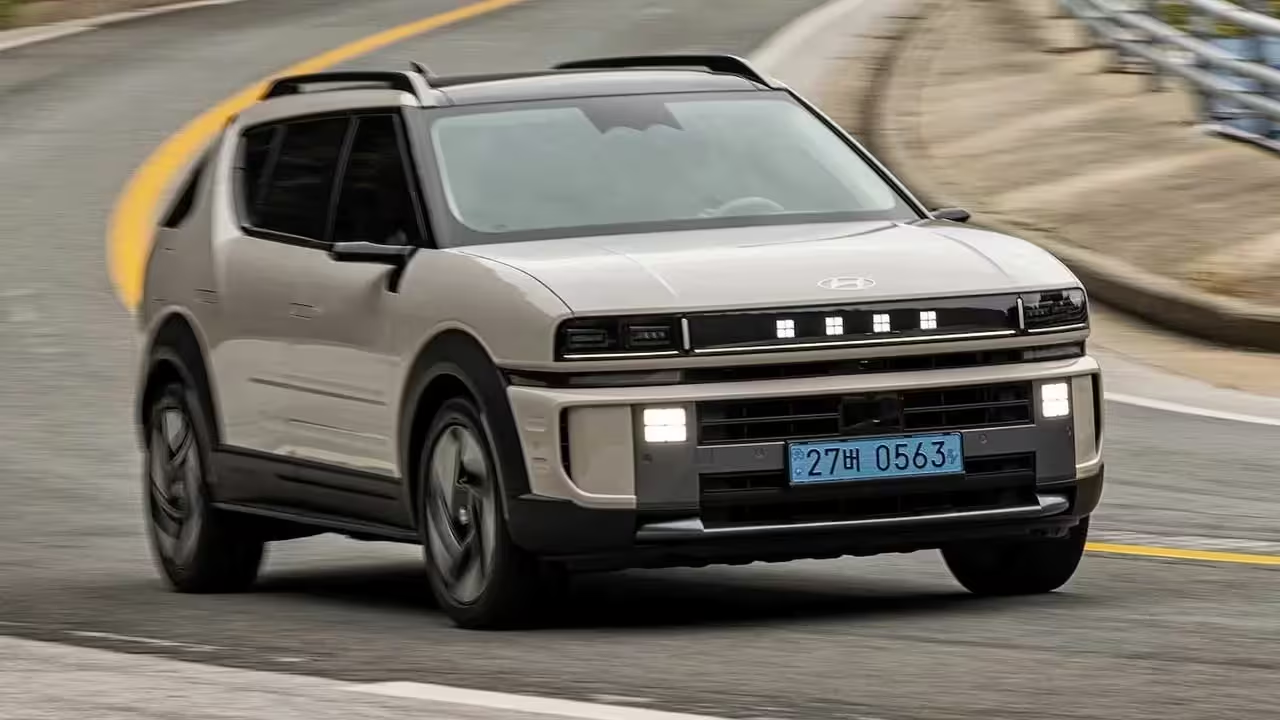
Nargar’s assessment makes clear that technical development is only one piece of the puzzle. Convincing buyers to purchase a car that depends on a sparsely distributed hydrogen refuelling network is substantially more difficult than improving the fuel-cell stack. Hyundai’s crossover Nexo, including the 2026 model, has provided practical experience but the second-generation product has yet to establish a foothold in many markets. Hyundai has not ruled out further investment in passenger fuel-cell cars, but it places commercial feasibility—finding enough willing customers—at the center of any decision.
Industry context and shifting strategies
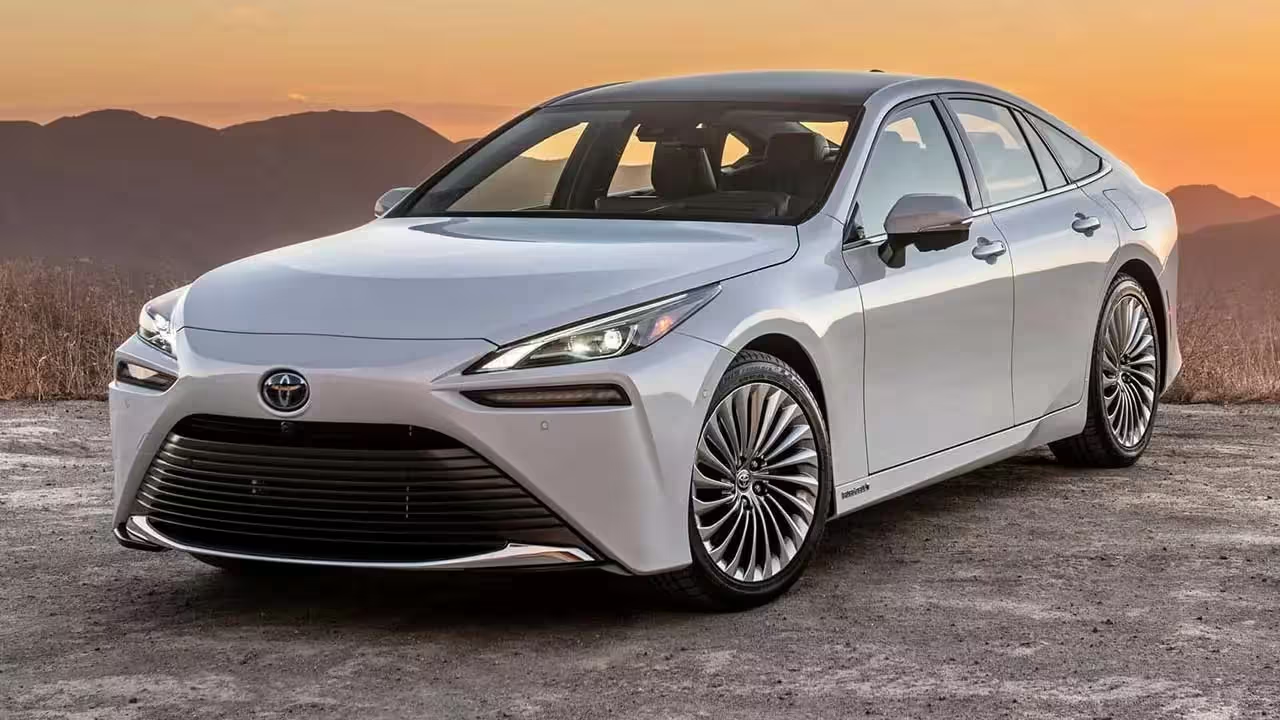
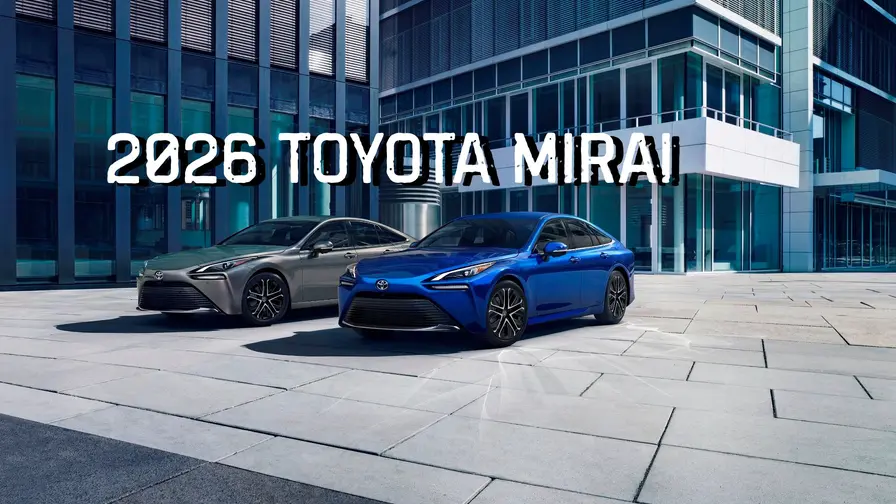
Other manufacturers take different approaches. Toyota, with the Mirai sedan, and BMW, which plans an iX5 Hydrogen by the end of the decade, continue to see a role for fuel cells. Toyota and BMW expanded a 2024 collaboration to develop a third-generation fuel-cell system and lower production costs. Both brands view hydrogen as one of several pathways rather than a universal replacement for battery-electric drivetrains; BMW describes fuel cells as an alternative route to reducing emissions, and Toyota continues to invest across BEV, hybrid, plug-in hybrid, and hydrogen technologies.
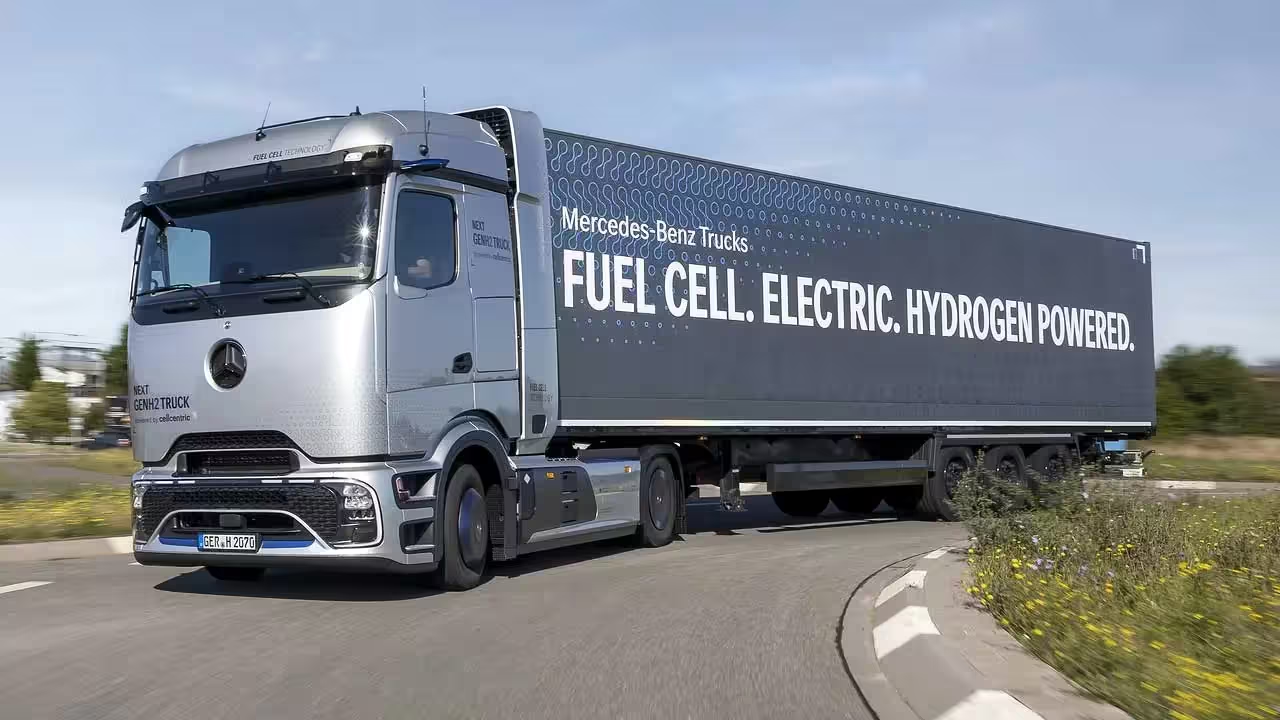
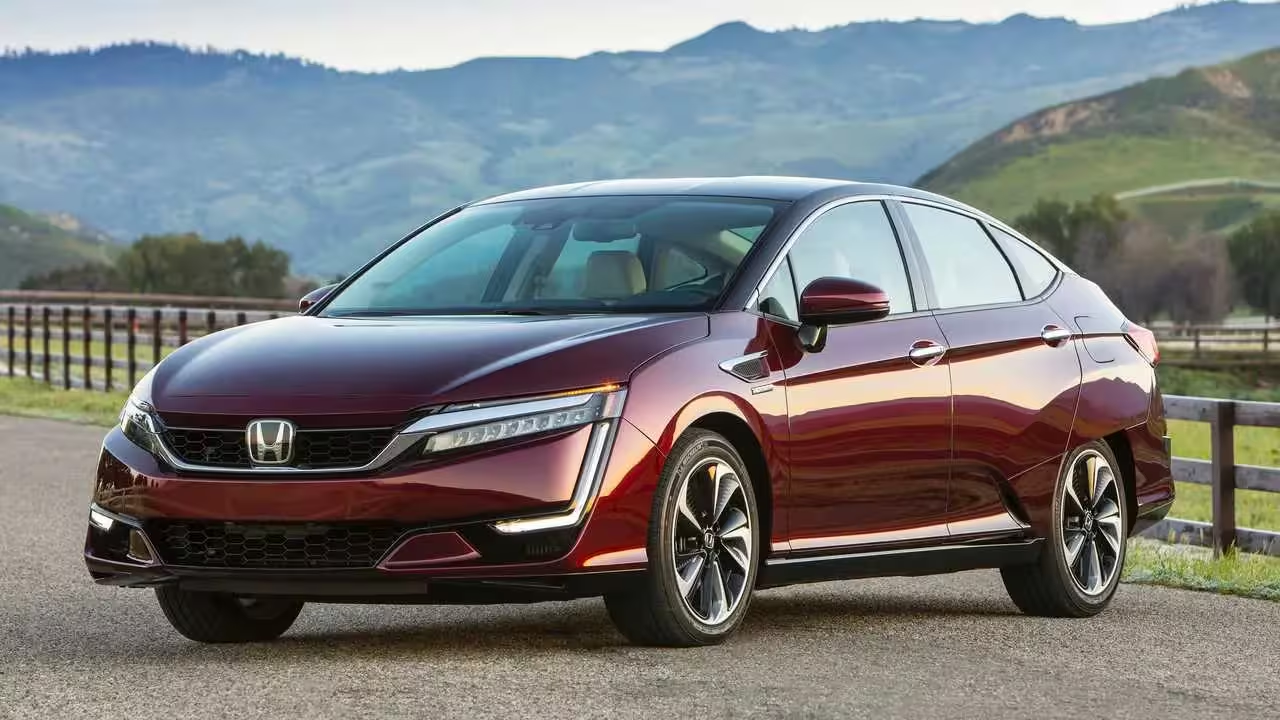
At the same time, several large automakers have scaled back or dropped passenger fuel-cell programs. Mercedes has ceased development of passenger hydrogen cars after years of research, and Honda ended production of the Clarity. Volkswagen and other manufacturers have stepped back from hydrogen for passenger vehicles, judging battery-electric systems a more practical route to zero-emission road transport. Stellantis, in 2025, abandoned its fuel-cell passenger programme and cancelled plans for hydrogen commercial vans, citing limited infrastructure and weak commercial rationale. General Motors decided to halt development of the next-generation fuel cell and shift its focus to battery-electric vehicles. These moves highlight how difficult it has become to justify billion-dollar investments while customer take-up and refuelling capacity remain insufficient.
Cost and infrastructure constraints remain the central obstacles. Hydrogen fuel-cell systems are still more expensive than battery-electric alternatives, and dedicated refuelling infrastructure is costly to build and operate. Battery-electric cars benefit from an expanding public charging network and the option of home charging; hydrogen vehicles require a different, capital-intensive network that has not reached the scale needed to support mass-market ownership in many territories. Hyundai and other supporters of hydrogen see potential in regions with abundant renewable resources for producing green hydrogen, but they acknowledge that expanding refuelling networks and bringing down technology costs are prerequisites for attracting private customers.
According to CarExpert, the future of passenger hydrogen vehicles will depend less on manufacturers' engineering capability and more on progress in cost reduction, infrastructure expansion, and consumer readiness to accept the technology.

Leave a Comment
Comments
No comments yet. Be the first.