

Two people can share the same height, weight and waistline — yet face very different medical futures. That simple mismatch has pushed a team of specialists to rethink how we name and treat obesity.
Led by surgeon Francesco Rubino, a 56-expert Lancet commission has proposed a richer framework that looks beyond the old weight-over-height formula. A recent paper in Nature backs their case: when clinicians use additional body measures and clinical signs, they flag far more people correctly as having obesity — and they reduce false alarms.
BMI is easy to calculate. It is also blunt. The index treats muscle, bone and fat as equal, so a muscular athlete can be lumped with someone who carries excess adipose tissue. Ethnicity complicates the picture further. The same BMI number can hide very different risks in different populations.
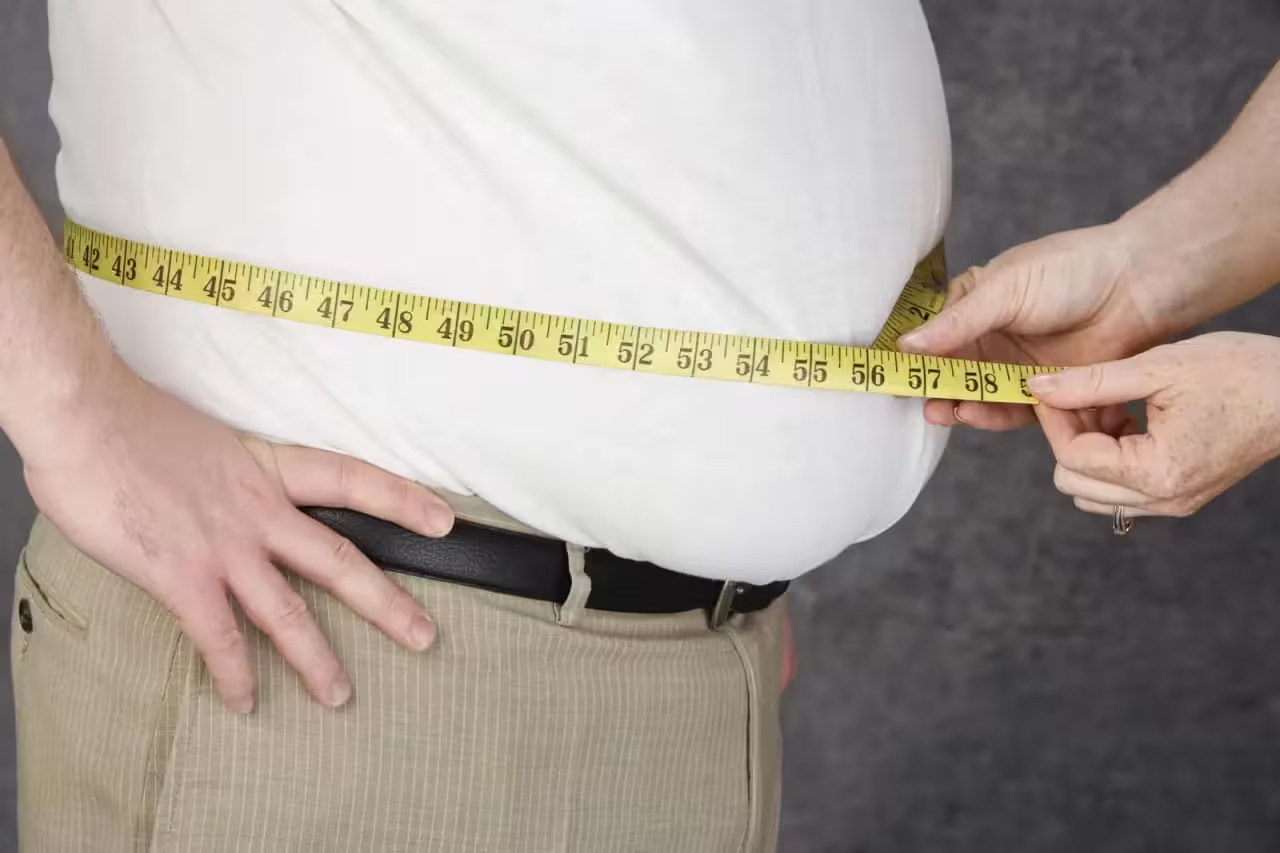
Relying on BMI alone is no longer good enough. Instead, the new guidance asks clinicians to pair BMI with another measure — waist circumference, waist-to-hip ratio or waist-to-height ratio — which better reflects abdominal fat and metabolic risk. In clinic settings where bioelectrical impedance or scans are unavailable, these tape-measure tests are practical and informative.
But it’s not only about tapes and numbers. The commission also calls for reviewing patients’ medical histories for 18 obesity-related conditions, from cardiovascular disease and sleep apnea to joint pain. These elements let physicians separate 'clinical obesity' — where excess fat has already harmed the body — from 'preclinical obesity' — where risk exists but disease has not yet taken hold. Consider two people with identical bodies: one already suffers from heart disease and is therefore classed as clinical; the other remains symptom-free and sits in the preclinical category.
The distinction matters. The researchers report that 77 to 91 percent of people labelled preclinical did not progress to clinical obesity over a decade. Conversely, having clinical obesity correlated with a markedly higher death risk — as much as a 69 percent rise in all-cause mortality — while BMI on its own showed a weaker link to mortality in large record reviews from China, the UK, the US and Spain.
What does this mean for who gets care? Expect some numbers to shift. The commission’s criteria would likely raise measured obesity prevalence by roughly 3.3 to 7.4 percent, bringing into treatment people who were previously overlooked because their BMI sat under 30 despite clear metabolic harm. As Dr. Jennifer Huang of the University of Chicago points out, the current system can leave patients with genuine disease without access to specialized treatments, while some high-BMI yet healthy people remain lumped into a single category.
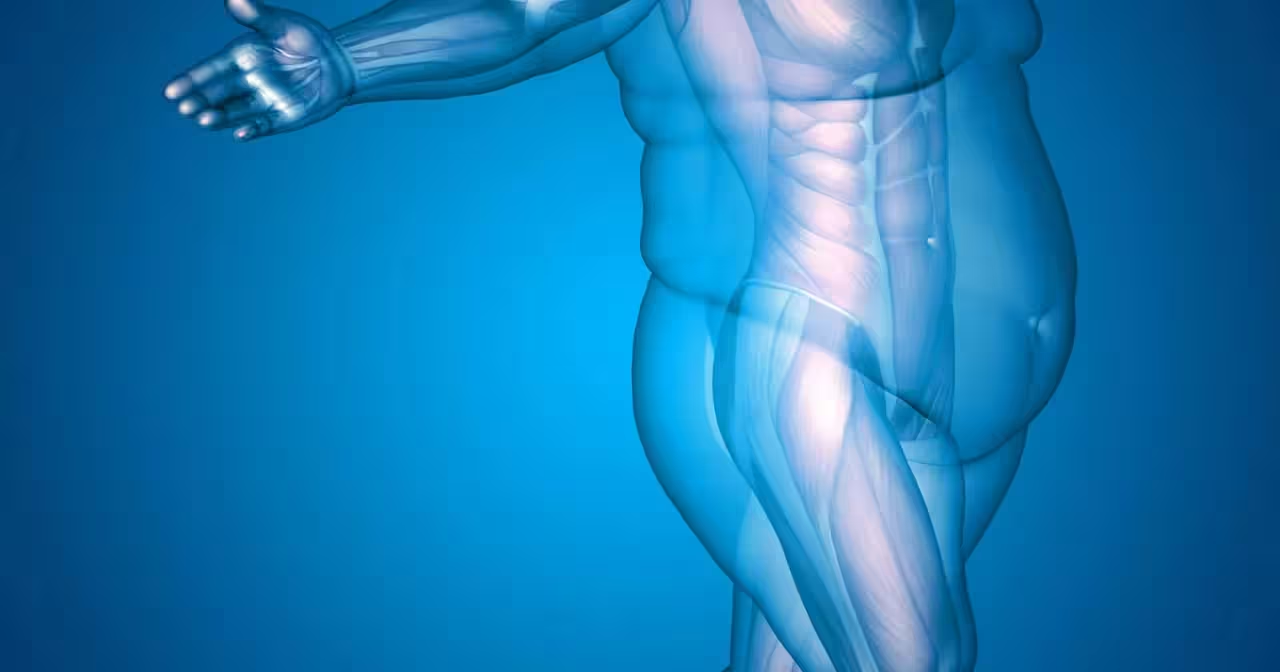
Adopting the new framework won’t be frictionless. Clinicians need training to take consistent waist and ratio measurements. Electronic records must capture the 18 relevant conditions. There are policy wrinkles too: an early 2025 review warned that some patients who today qualify for FDA-approved weight-loss drugs might be reclassified as preclinical and lose eligibility under strict rules.
Rubino and his colleagues are not finished. They are working to score which of the 18 conditions carry the greatest future risk and how best to weight them, so that risk estimates can be tailored to each patient. The goal is clear: move from a one-size-fits-all label to a nuanced, actionable diagnosis that matches treatment intensity to real health danger.
We’ve treated obesity like a single rung on a scale for too long. It’s time our diagnostics matched the complexity of the body they aim to protect.


Leave a Comment
Comments
No comments yet. Be the first.