
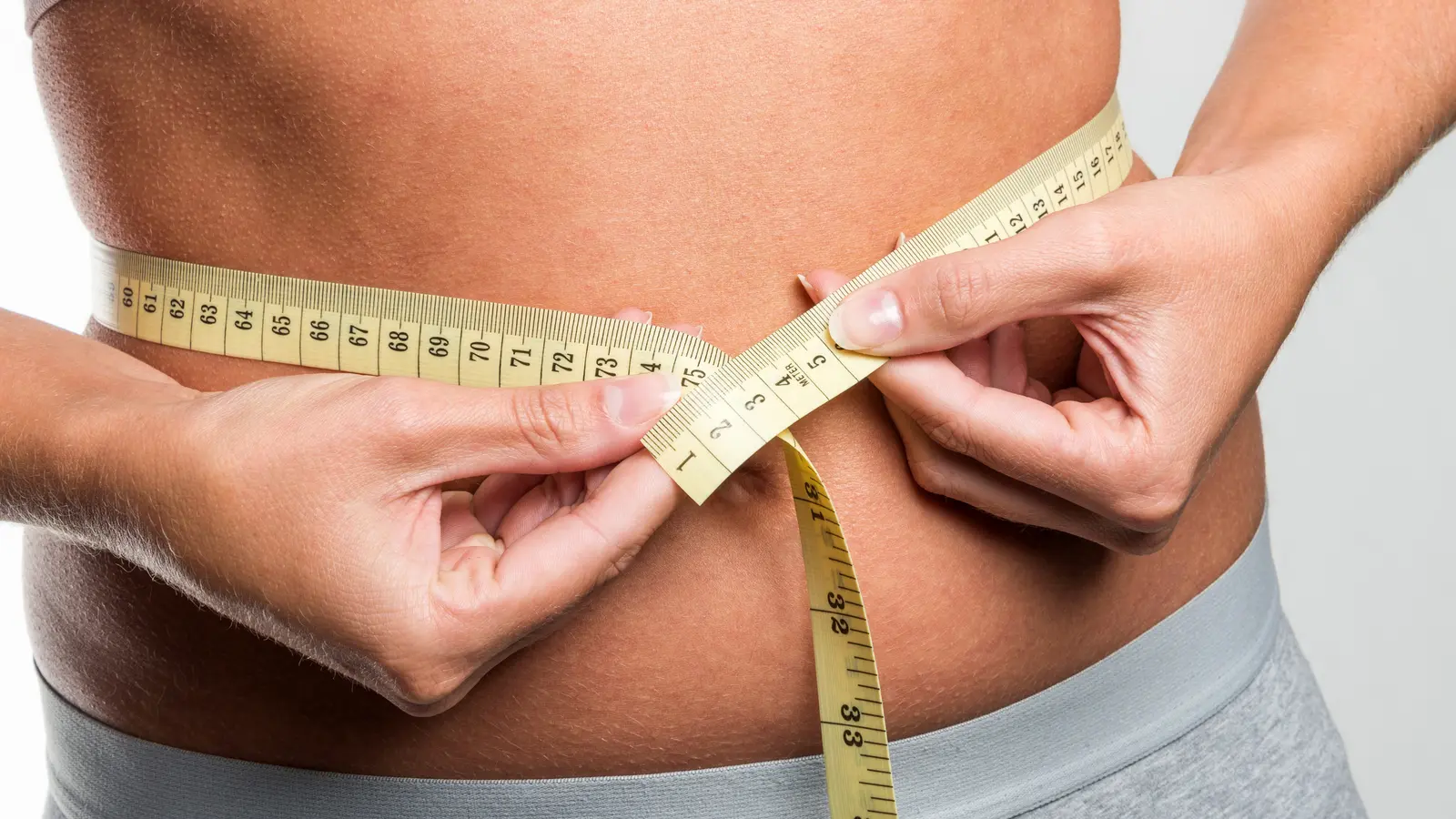
If your belt is asking for an extra notch, that nagging tug on your waistband might be doing more than bothering you. It could be telling a clear story about your health.
Researchers at Rutgers analyzed data from roughly 1,900 U.S. adults, ages 20 to 59, drawn from the National Health and Nutrition Examination Survey. Their findings, published in JAMA Network Open, compare several ways to detect excess body fat against a highly accurate reference method. The surprising result: a simple tape measure around the waist performs almost as well as a complex checklist of body measurements.
One multi-metric proposal under consideration blends BMI, waist circumference, waist-to-height ratio and waist-to-hip ratio. It flags more people with excess body fat. But when the Rutgers team tested how those approaches balance sensitivity and false positives, the elegant simplicity of waist circumference — alone or paired with BMI — held its own.
Short sentence. Big implication. Measuring your waist is easy. Primary care clinics rarely record hip measurements, which one of the more elaborate frameworks needs. Waist circumference, by contrast, is practical, inexpensive and increasingly mentioned in clinical guidelines.

Lead author Aayush Visaria, from the Rutgers Health–RWJ Barnabas Health Center for Climate, Health, and Healthcare, points out that small everyday signs matter. He notes that needing larger clothes can be an early hint of excess body fat. 'Clothing size is not a clinical measurement,' he says, 'but it’s a signal many people can notice before a formal screening.'
BMI, the long-standing staple of screening, still has value. It’s simple and widely used. Yet it misses a notable slice of people who meet body-fat criteria for obesity. The reason is biology: BMI doesn’t distinguish muscle from fat, nor does it show where fat is stored — and location matters for metabolic risk.
Why does this matter beyond numbers on a chart? Because where fat accumulates — especially around the midsection — links closely to risk for diabetes, heart disease, stroke and some cancers. Identifying those risks earlier creates opportunities for lifestyle changes, preventive care and targeted conversations between patients and clinicians.
So what should clinicians and patients do? The study suggests a pragmatic path: pair weight with a waist measurement during routine visits. It’s not flashy. It doesn’t require extra machines or lengthy calculations. But it gives clinicians actionable information they can use right away.
If you want a quick check at home, measure the midpoint between your lowest rib and the top of your hip bone, or ask your clinician to show you the correct technique. Small steps can lead to big differences in long-term health.
The tape measure, it turns out, is still a very sharp tool — and paying attention to that snug waistband might make the difference between early action and a missed warning.


Leave a Comment
Comments
No comments yet. Be the first.