
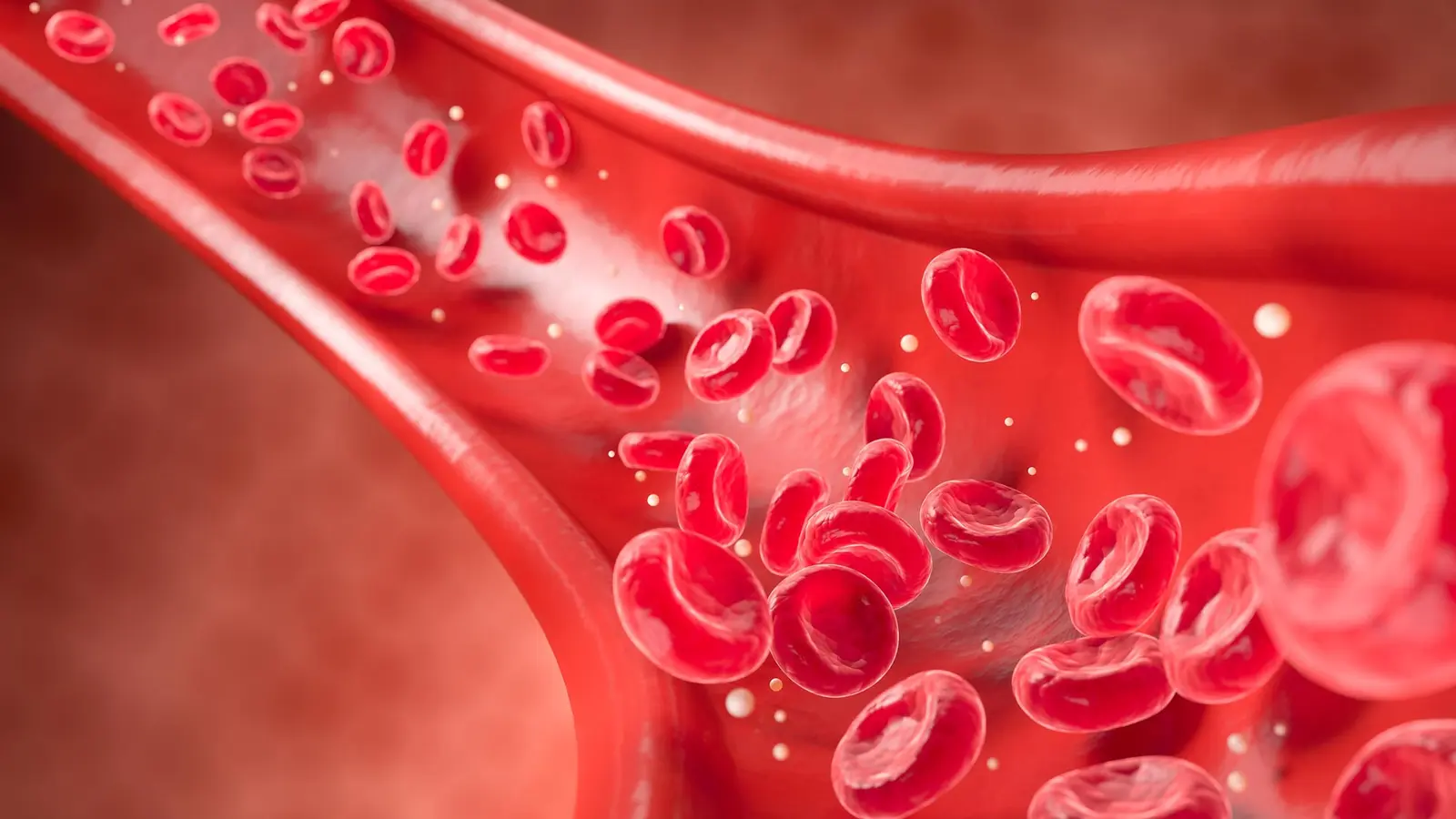
Think of arteries like garden hoses. Flexible. Resilient. Able to handle surges. Now imagine grit slowly sanding through the rubber. Stiffness creeps in. The pump struggles. Risk rises.
That image helps explain surprising findings from a team at the University of Colorado Anschutz School of Medicine: a little-known kidney protein, TMEM174, appears to protect blood vessels by keeping phosphate in check. Lose that protection, and calcium starts to pile up inside vessel walls. The result is earlier death in animal models — a process that ran fastest when the animals ate a phosphate-heavy diet.
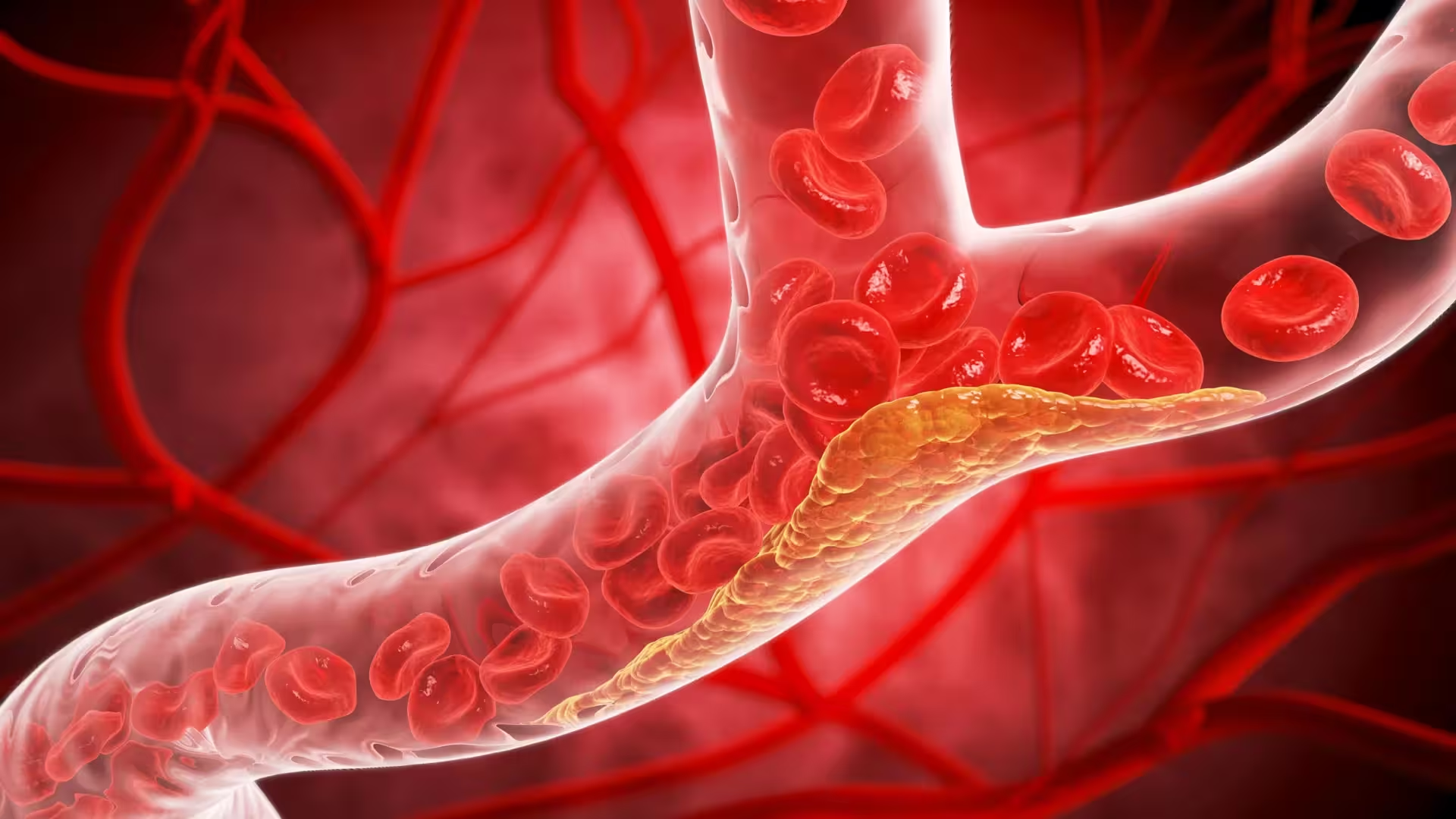
Phosphate sounds harmless. It’s in our meat, dairy, nuts and whole grains. It also hides in processed foods as additive phosphates, which the gut slurps up more efficiently than the naturally occurring kind. But when phosphate sits too long in the bloodstream, trouble begins: smooth muscle cells in vessel walls change their identity and behave like bone-makers. Calcium phosphate crystals form. Flexibility is lost. Blood vessels calcify.
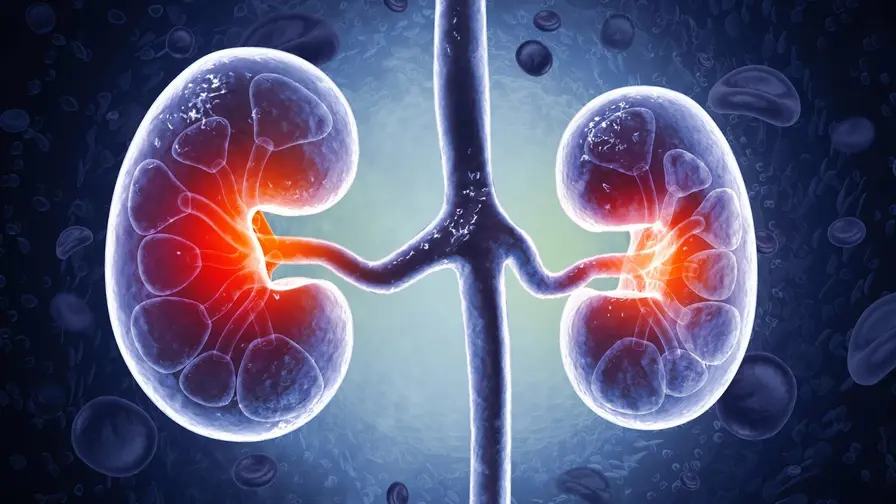
At the center of this cascade is a balancing act inside the kidney. NPT2A, a transporter on kidney tubule cells, reclaims roughly three-quarters of filtered phosphate and sends it back into circulation. TMEM174, the newly spotlighted protein, seems to act as a brake on that process. The researchers show TMEM174 binds to NPT2A and diminishes its activity. Without TMEM174, phosphate reabsorption runs too high. With too much phosphate in the blood, vascular calcification accelerates and lifespan shortens — especially under a diet rich in phosphate.
“We don’t fully understand how yet, but somehow TMEM174 is destabilizing NPT2A,” Makoto Miyazaki, PhD, the study’s senior author, said. It’s an elegant line: remove the stabilizer and the machine misbehaves.
Why should anyone care beyond the lab? Because phosphate overload isn’t a theoretical danger for people with chronic kidney disease (CKD). Healthy kidneys can usually clear excess phosphate. Sick kidneys cannot. Hyperphosphatemia — persistently high blood phosphate — is common in CKD and strongly linked to the vascular calcification doctors see in those patients. If TMEM174 activity varies among people, or if genetic deficiency combines with impaired kidney function, the cardiovascular stakes could be much higher.
There’s a practical lesson here, too. In the animal experiments, reducing dietary phosphate blunted some of the harm in TMEM174-deficient subjects. Cut the phosphate intake and you slow the sanding. That means people might benefit from limiting phosphate-rich processed foods — sodas, deli meats, some fast foods — although whole diets and kidney function complicate the picture. Phosphate is ubiquitous in food, so diet alone may not be enough for those with poor kidney clearance.
Therapeutically, TMEM174 suggests a new angle. If drugs could mimic its effect or weaken NPT2A’s phosphate rescue operation, kidneys might send more phosphate into the urine instead of returning it to the bloodstream. That could be a complementary strategy for CKD alongside existing phosphate binders and dietary advice. Researchers now plan to map how TMEM174 connects with other phosphate-regulating proteins and hormones, and to probe why calcium deposits target vessels so readily in kidney disease.
Finding a previously unknown regulator after a century of phosphate research is unexpected, says Miyazaki — and that surprise carries opportunity. The next questions are human-centered: do differences in TMEM174 explain some of the cardiovascular risk we see in patients, and can we turn that knowledge into safer, longer lives?
Every nutrient performs a balancing act. This one looks like it has a backstage manager we didn’t know was there.

Leave a Comment
Comments
No comments yet. Be the first.