

Imagine sunlight hitting a solar cell and the generated electrical charges linger long enough to be gathered instead of vanishing in a blink. That possibility just moved closer to reality thanks to an oddball material called bismuth sulfide.
Solar devices rely on semiconductors that absorb photons and free electrons, leaving behind positive 'holes.' Collect both and you get current. Let them meet and recombine, and that solar energy is gone. The twist? Materials that soak up light well normally also eat charges fast. A catch, until now.
Researchers at the University of Oxford probed thin films of bismuth sulfide with ultrashort laser bursts and timed the disappearance of charges using ultrafast terahertz spectroscopy across temperatures from room warmth down toward absolute zero. The result felt like finding a hidden backstage door in a theater: electrons have two nearby routes to occupy energy states, and one of them acts as a slow lane — a kind of temporary storage reservoir where charges can hide out.
Why does that matter? Because spending time in the lower-energy route keeps charges apart longer, cutting recombination. Cooling the material made the effect clearer: more charges settled into the reservoir and survived longer, which runs counter to what you'd expect in most semiconductors. The team’s modeling describes this behavior as a pseudo-direct semiconductor — strong light absorption paired with markedly reduced charge loss.
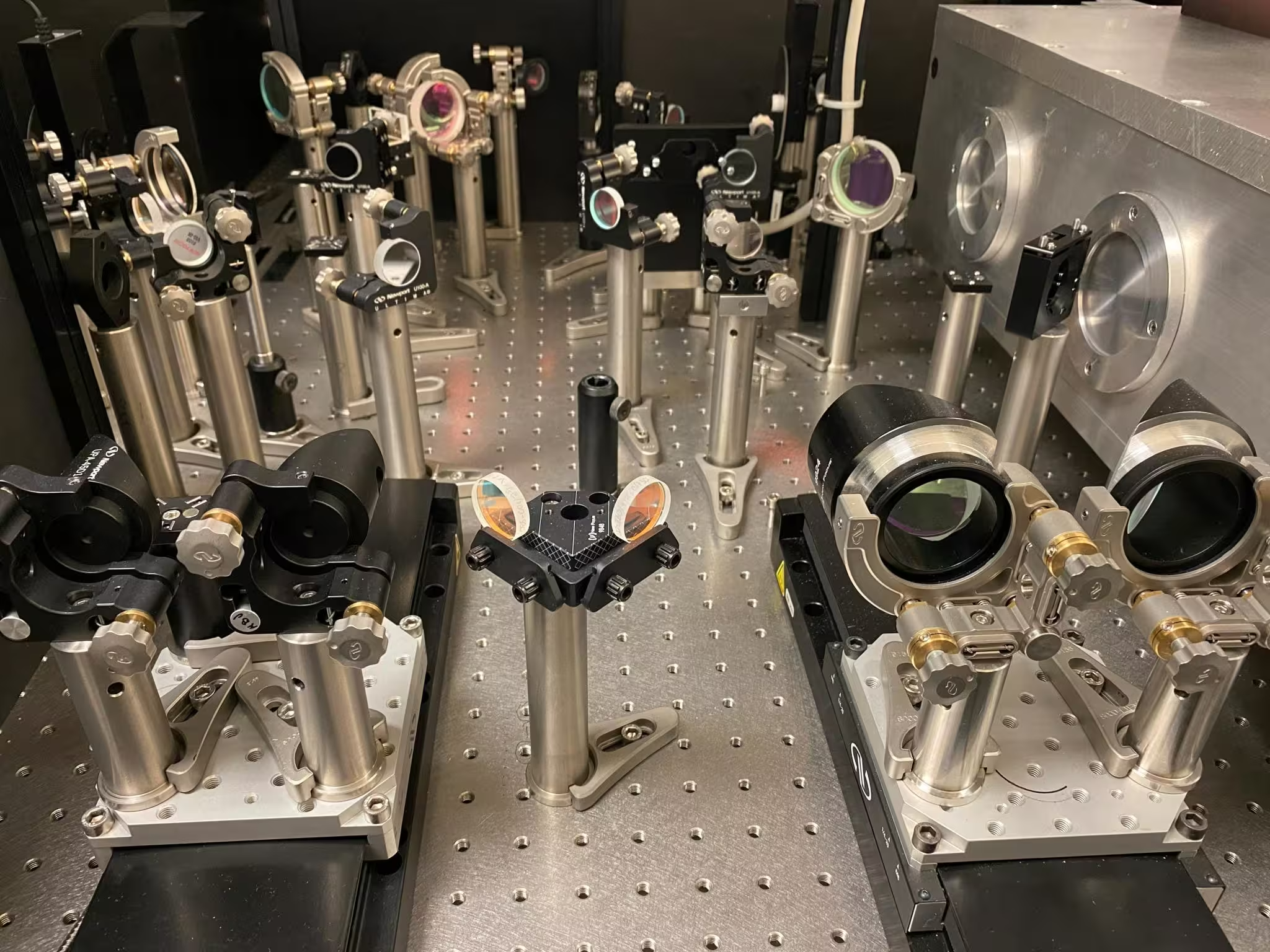
Non-contact optical probes of semiconductor performance.
At room temperature, the researchers estimate that bismuth sulfide’s architecture lowers the charge-loss rate by roughly 75% compared with traditional, strongly absorbing semiconductors. That’s not a marginal tweak. It’s the kind of change that could let panels harvest more of the light they already receive without adding more surface area.
Longer-lived charges also open doors beyond electricity. Chemical reactions that convert sunlight into fuels need time; a longer-lived charge is a longer window to drive those transformations. The discovery isn’t a finished solar cell, though. It’s a physical principle — a blueprint for searching materials with similar two-route electronic landscapes or for engineering new compounds to behave the same way.
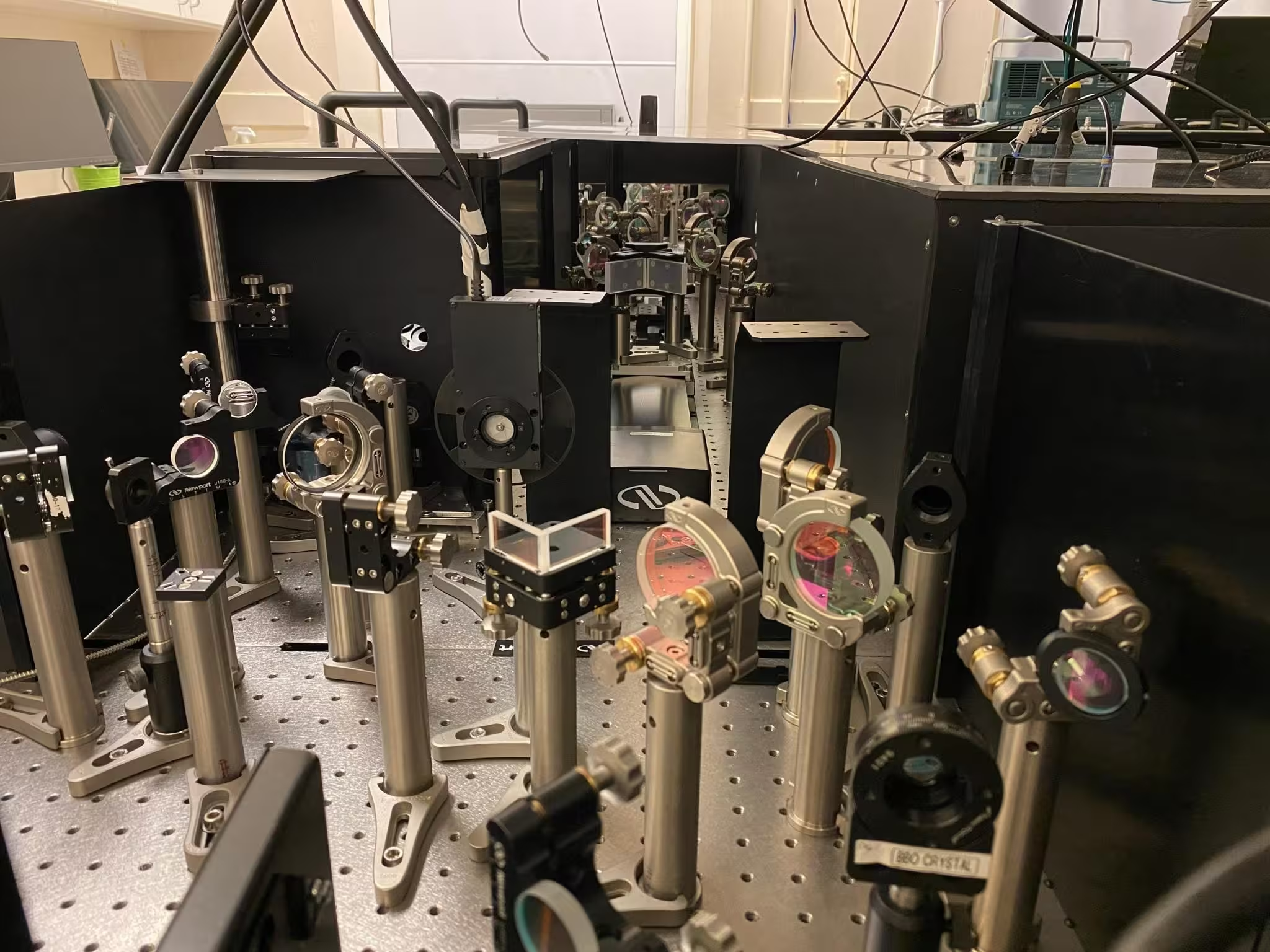
Non-contact optical probes of semiconductor performance.
Computational work from the team points toward a practical next step: mine materials databases for compounds with comparable electronic fingerprints, or deliberately design semiconductors that host a charge-reservoir state adjacent to a highly absorbing channel. The experiments show the mechanism; translating it into scalable devices will take further materials science and engineering.
So: can we redesign semiconductors to break the trade-off between light capture and charge survival? Bismuth sulfide suggests yes — and it gives scientists a map for where to look next.

Leave a Comment
Comments
No comments yet. Be the first.