
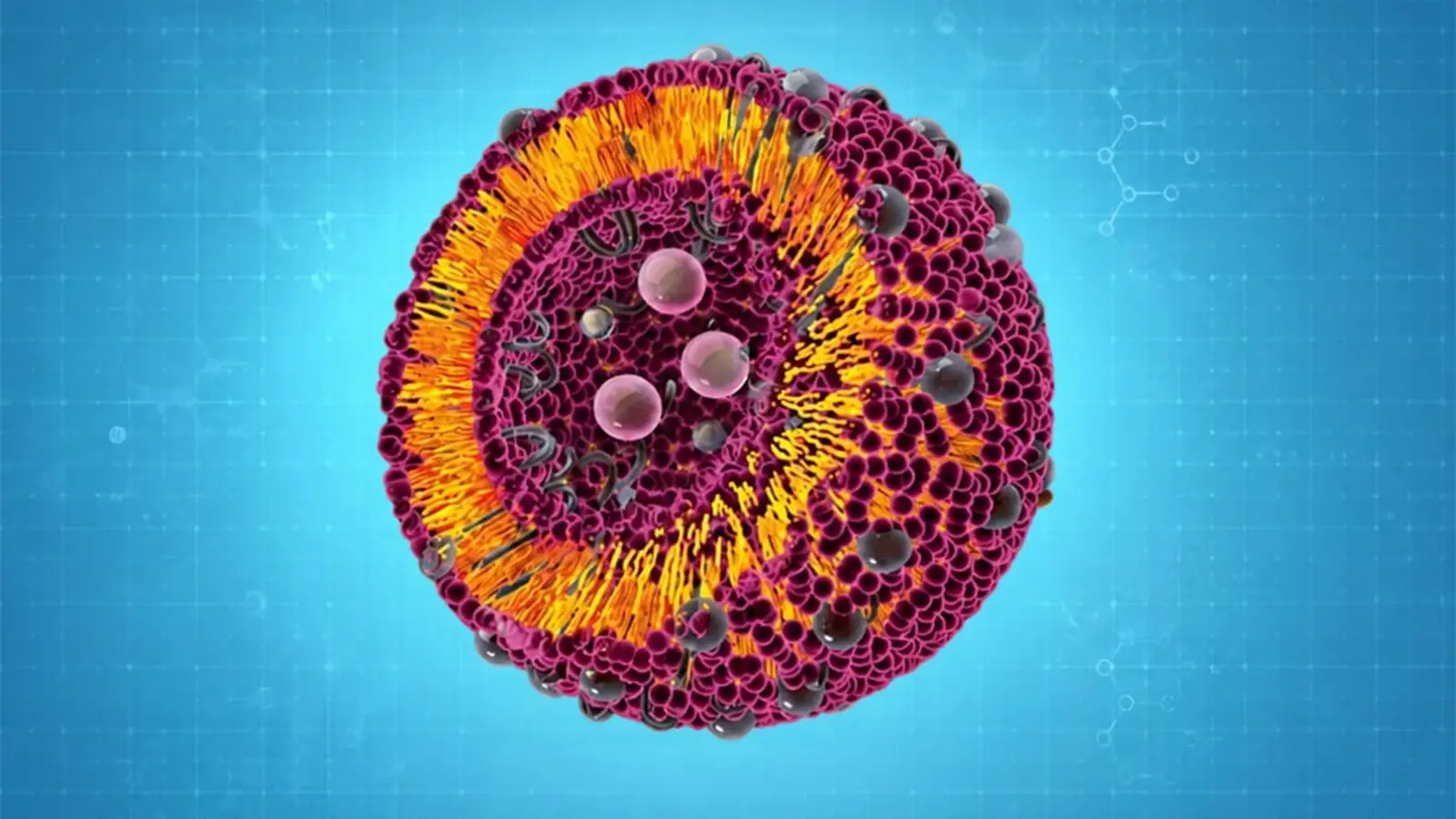
Imagine a microscopic courier that can calm an overactive immune system and spare fragile insulin-producing cells from attack. That image guided a team at UCLA to test a surprising idea: use tiny parcels released by stem cells to retrain immunity and stave off type 1 diabetes.
In lab mice engineered to develop autoimmune diabetes, researchers delivered extracellular vesicles—nano-sized packets of proteins, lipids and genetic material—derived from pluripotent stem cells. The vesicles were given under the skin near the neck inside a slow-release hydrogel, so the particles drifted into nearby lymph nodes over days rather than vanishing in minutes. The result: after 90 days, 55% of treated animals remained free of diabetes.
This was not a glucose-bandage. The approach aims upstream at immune behavior. By nudging immune cells toward tolerance, the vesicles encouraged the growth of regulatory T cells, specialists that suppress misguided attacks against the body’s own tissues. In cell experiments, vesicles from embryonic-like pluripotent stem cells outperformed those from mesenchymal stem cells at dialing down inflammation and promoting those protective T cells.
The idea grew from a simple biological observation: during pregnancy, a mother’s immune system tolerates a genetically distinct embryo. Song Li and colleagues at UCLA wondered whether stem cells might be secreting signals that mimic that tolerance. They mined that concept for therapy, isolating vesicles and characterizing their cargo—distinctive proteins, lipids and nucleic acids that likely underlie the immune-sculpting effect.
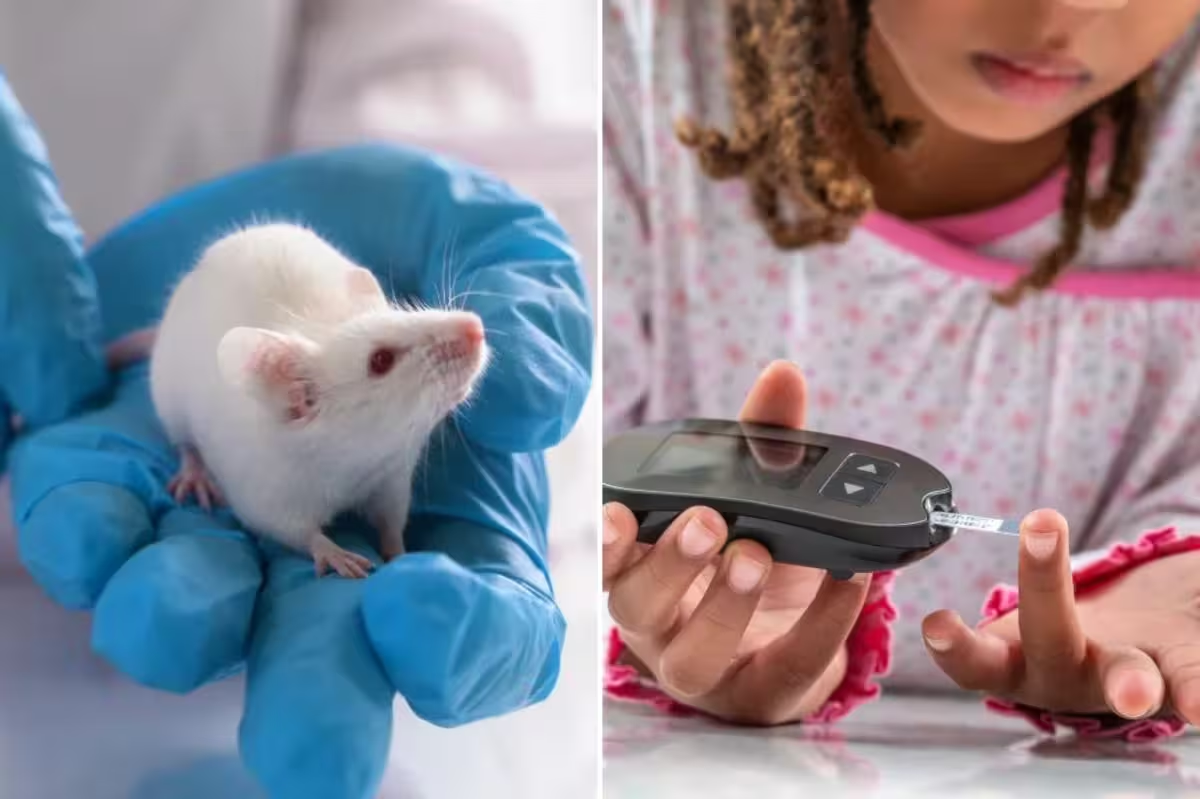
Delivery mattered. A plain injection of vesicles fades quickly. So the team encased particles in an injectable hydrogel that releases them slowly, a local staging ground where immune cells in draining lymph nodes can be reeducated and then travel through the body carrying a calmer message. Two treatments, either free particles or gel-formulated, delayed disease onset, but the hydrogel group produced the most durable protection.
Two local injections of iPSC-derived vesicles in a slow-release gel left 55% of mice diabetes-free at 90 days and preserved more insulin-producing tissue.
Scaling up for human use remains a technical hurdle. To boost yield, researchers cultured induced pluripotent stem cells in three-dimensional, gently agitated clusters rather than flat dishes. That tweak raised vesicle production about 3.4-fold per million cells while keeping the particles’ key traits. Because iPSCs expand readily in culture, they could become a reliable source of therapeutic vesicles compared with adult stem cells.
Where might this fit clinically? Likely early in the course of type 1 diabetes, when some beta cells still function. Calming the immune attack could preserve those remaining cells and prolong natural insulin production. For people who have already lost most beta cells, immune modulation alone won’t restore insulin, though the same strategy could help protect transplanted islets or engineered insulin-producing grafts.
Questions remain. How long does the protective effect last? What dose works best? Could dampening autoimmunity blunt defenses against infection? The team plans larger-animal tests and longer follow-up before any human trials. Still, this is one of those rare moments when a biological curiosity—how a fetus avoids rejection—translates into a plausible therapy for a chronic disease.
Whether these tiny cellular messengers will travel from bench to bedside is an open, exciting question. The next step is to see if the quiet they've brought to immune cells in mice can be replicated safely and reliably in humans.

Leave a Comment
Comments
No comments yet. Be the first.