
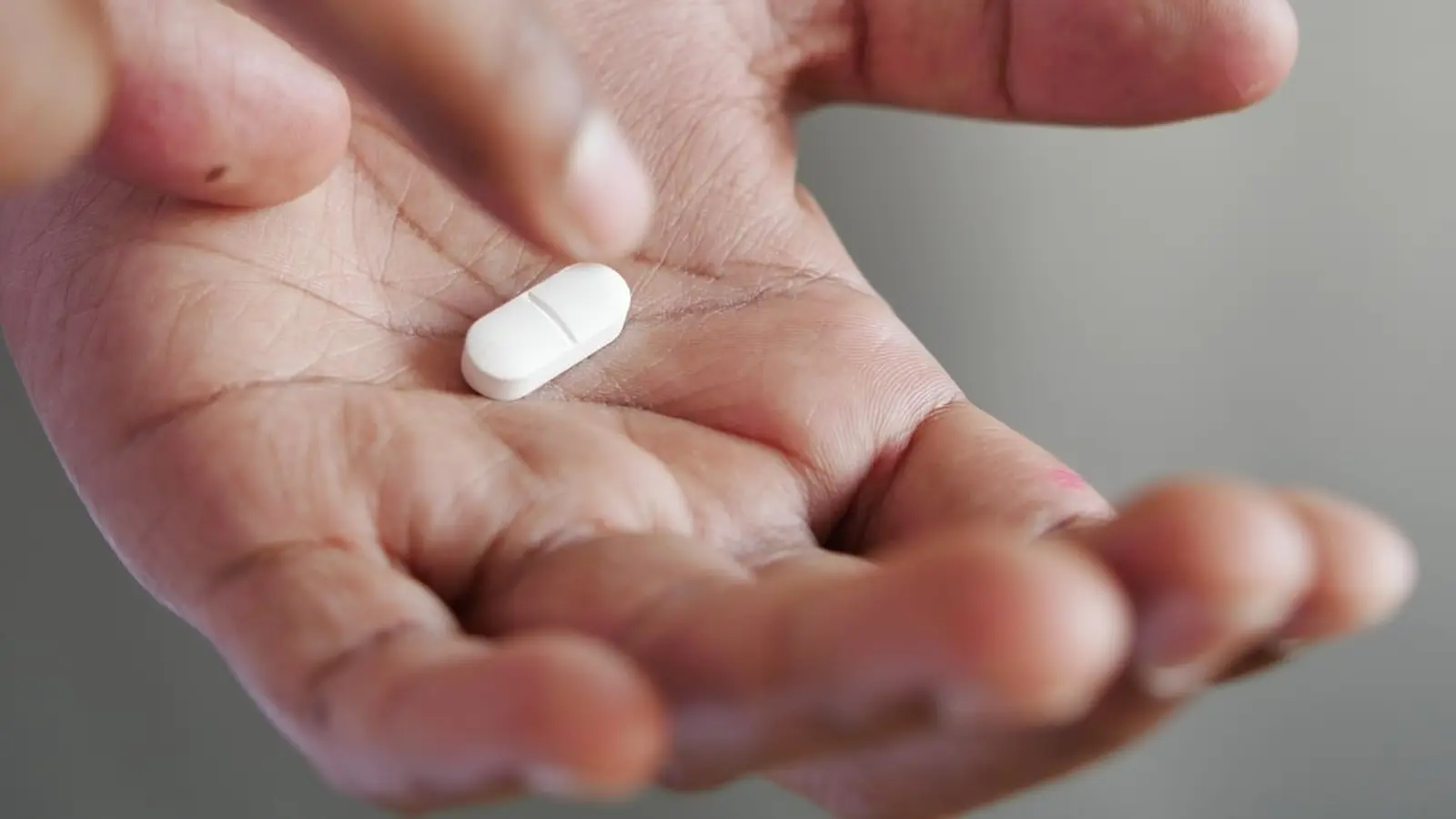
Take one tablet before breakfast and watch LDL cholesterol tumble — that was the headline from recent clinical trials of a new oral drug that promises to change how we treat high cholesterol.
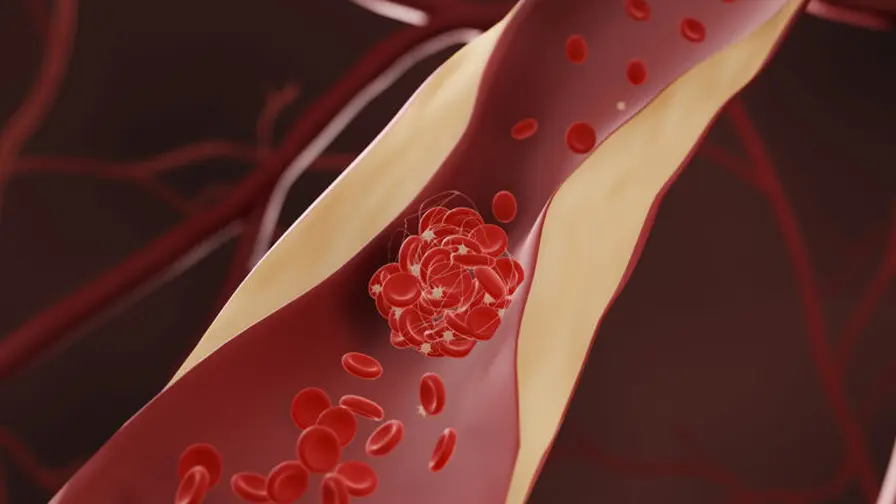
High LDL, the so-called "bad" cholesterol, is a slow-motion threat: it quietly seeds fatty plaques in arteries for years, raising the odds of heart attack and stroke long before symptoms appear. Statins have been the workhorse for decades, but for many patients those drugs aren't enough. Enter enlicitide, marketed as Lipfendra, a once-daily tablet that targets the biology behind cholesterol clearance in a way previously available only by injection.
The drug is the first oral PCSK9 inhibitor and can cut LDL cholesterol by roughly two-thirds in people already taking statins.
Enlicitide works by blocking PCSK9, a protein that triggers the breakdown of LDL receptors on liver cells. Fewer receptors mean less cholesterol removed from the bloodstream. By keeping those receptors intact, enlicitide boosts the liver's ability to mop up circulating LDL. The molecule itself is a macrocyclic peptide formulated with absorption enhancers so it can be effective when swallowed — a notable departure from earlier PCSK9 drugs that require injections.
Clinical data are striking. A review published in Annals of Pharmacotherapy pooled trial results and found LDL reductions between about 57% and 64.6% after 24 weeks. In head-to-head comparisons among patients already on statins, LDL fell roughly 65% with enlicitide — far greater than the roughly 28% seen with ezetimibe or the 6% drop typical of bempedoic acid.
Safety so far looks comparable to placebo in the largest trials, although smaller studies flagged more diarrhea and dizziness in people with heterozygous familial hypercholesterolemia, an inherited condition that drives very high LDL from birth. Those signals are not dramatic, but they do underscore the need for longer follow-up to map the drug's side-effect profile over years, not weeks.
Dosing has a few strict rules. The pill must be taken in the morning on an empty stomach; water, black coffee, or plain tea are permitted, but food and other drinks should wait at least 30 minutes. A 30-day list price is about $315, though patient costs will vary with insurance and assistance programs.
One important caveat: while enlicitide reliably slashes LDL, researchers have not yet proven it reduces heart attacks, strokes, or deaths. A large cardiovascular outcomes trial is underway to answer that question — the moment of truth that determines whether a big drop in a lab number truly translates into fewer lives lost.
For patients and clinicians, the arrival of an oral PCSK9 inhibitor is both convenience and a new option in the lipid toolbox. For scientists, it’s a reminder that clever chemistry can convert previously injectable biologic strategies into tablets. The larger question remains: will this pill, taken with coffee and a 30-minute wait, ultimately deliver fewer heart attacks? We’ll know in time.

Leave a Comment
Comments
No comments yet. Be the first.