
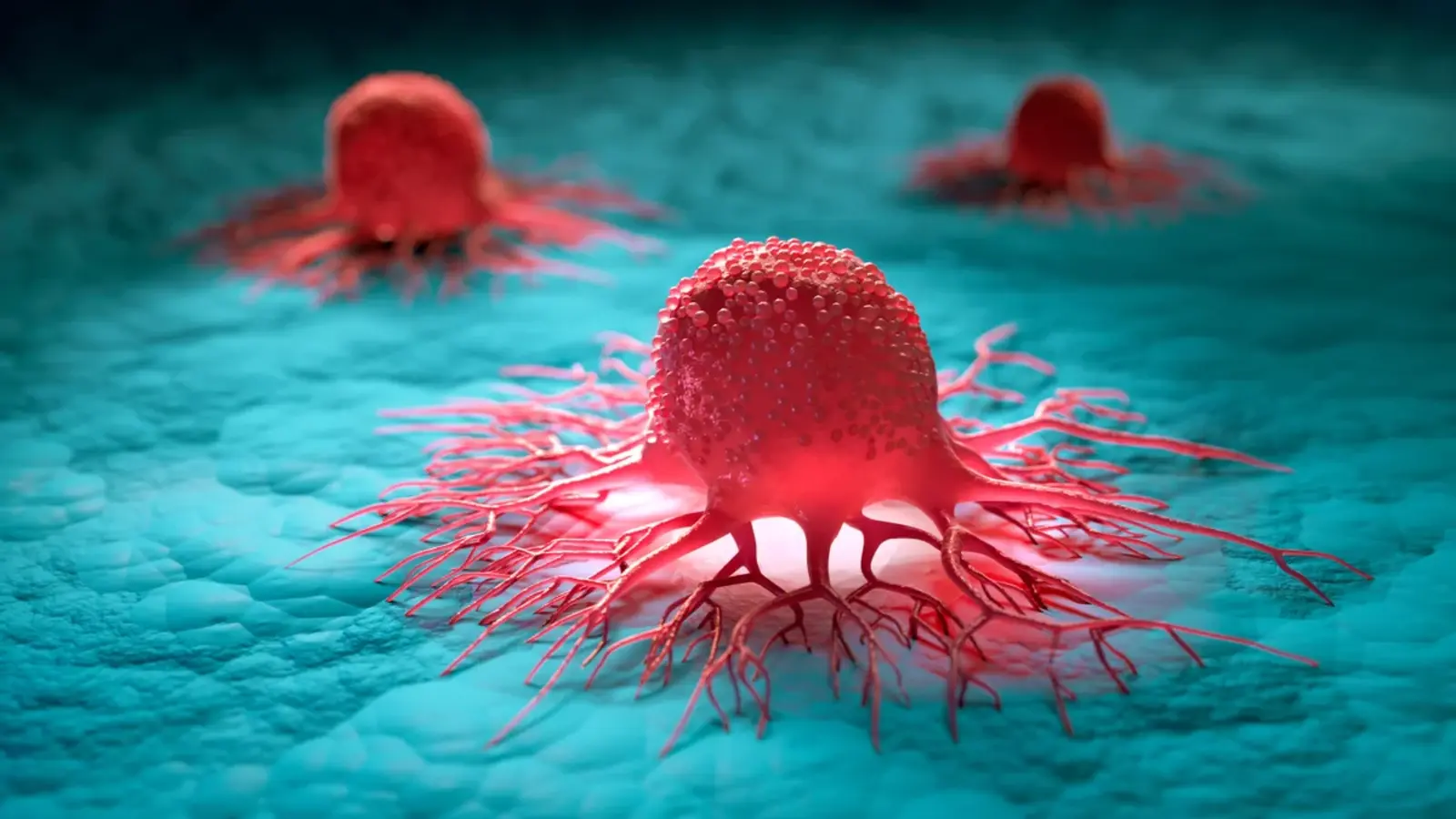
They treated mice until the tumors vanished — and then the animals shrugged off the same cancer weeks later, without any further therapy. It's the kind of result that makes researchers sit up and reframe the question: can a drug do more than kill malignant cells? Can it teach the immune system to remember them?
Regeneron's team set out to do exactly that by pairing a familiar targeted chemotherapy with a novel immune-directed antibody. The chemotherapy is trastuzumab deruxtecan, better known by the brand name Enhertu: an antibody that delivers a potent cell-killing payload to cells carrying the HER2 protein. The newcomer is a bispecific antibody engineered to grab tumor cells on one hand and prod T cells on the other by binding CD28, a key activation receptor.
The idea is elegantly simple. Kill some tumor cells with a precision drug. At the same time, flip the switch on T cells so they notice and remember the danger. In genetically engineered mice bearing humanized versions of treatment targets, that theory was put to the test.
In one breast-cancer model, Enhertu by itself produced complete responses in fewer than half the animals, even at high dose. But pair it with the bispecific antibody and every single mouse in the small experimental group cleared its tumor. That was striking. And when researchers reintroduced the same cancer cells into mice that had been tumor-free for at least four weeks, those animals rejected the new grafts without any retreatment.
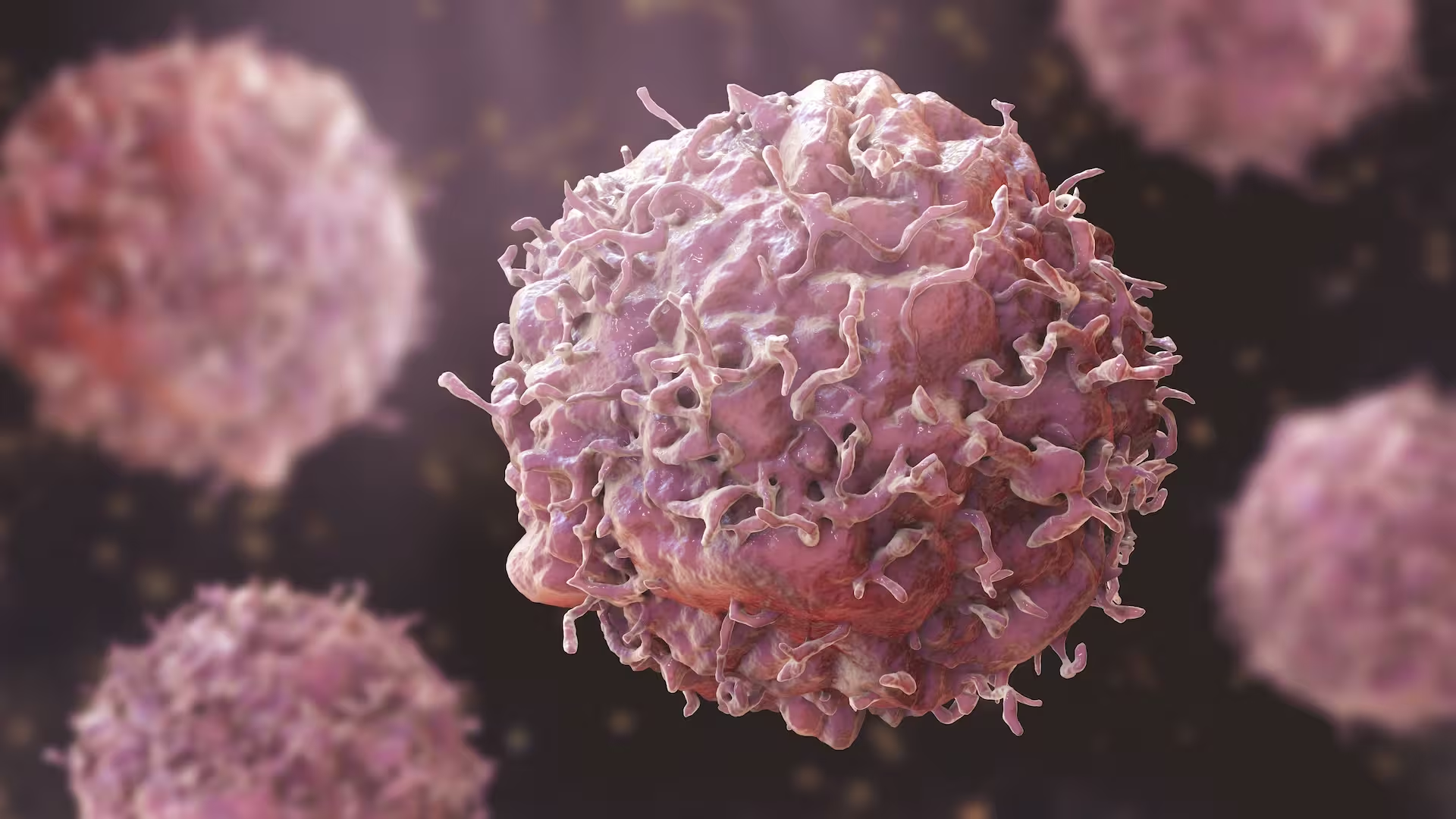
That resistance wasn't a generic immune boost. When a different colorectal tumor — one that nonetheless displayed HER2 on its surface — was implanted into the same mice, it grew. The immune protection therefore appeared to be focused on features beyond the shared HER2 marker, implying a broadened, tumor-specific response.

Dissecting the mechanism, the team found one cell type to be indispensable: CD8 T cells. Remove them and the benefit disappears. Other experiments showed that the bispecific approach expanded the pool of active T cells within tumors while preserving less-differentiated T cells that can sustain long-term responses. The receptor diversity on T cells — the molecular repertoire they use to recognize malignant cells — increased, too. Those are the kind of changes you want to see if you hope for immune memory.
Enhertu also stirred up dendritic cells, the antigen-presenting specialists that hand tumor fragments to T cells. In mice engineered to lack a particular dendritic subset, the Enhertu-plus-antibody combo lost its effectiveness, underscoring how important antigen presentation is in building a lasting response.
The study did not stop at HER2. A different experimental bispecific antibody targeting EGFR — a growth-related protein already under early clinical investigation — worked with Enhertu to reject tumors in models more resistant to the drug alone. And when the EGFR-targeting antibody was combined with the chemotherapy 5‑FU, it slowed colorectal tumor growth where either agent alone had little effect. That regimen relied on both CD8 T cells and natural killer (NK) cells; removing one population reduced efficacy, taking out both erased it entirely.
Practical signals mattered, too. Some combinations maintained activity with lower drug doses or less frequent chemotherapy. If those findings translate to people, they could point the way to regimens that are not only more effective but also less burdensome.
Important caveats remain. Mouse models can reveal mechanisms and point to promising strategies, but they cannot reproduce the full spectrum of side effects humans may experience — lung, gut, heart, and skin toxicities among them. And the work comes with declared conflicts: Regeneron funded the research, the authors are current or former employees, and provisional patents have been filed.
Published in Nature Communications, the study reads like an argument for pairing precise tumor killing with immune activation: eliminate malignant cells while educating the immune system to recognize and repel them in the future. The next step is familiar but crucial — carefully designed clinical testing to see whether memory can be taught the same way in patients as it was in mice.


Leave a Comment
Comments (2)
Is this even true? Mouse models often fail, and Regeneron funding + patents raise red flags. Hope trials prove it, not just hype
Wow, mice shrugged off tumors? That is wild. If that holds in people, huge deal. Curious about safety tho, lungs heart and skin could bite back