
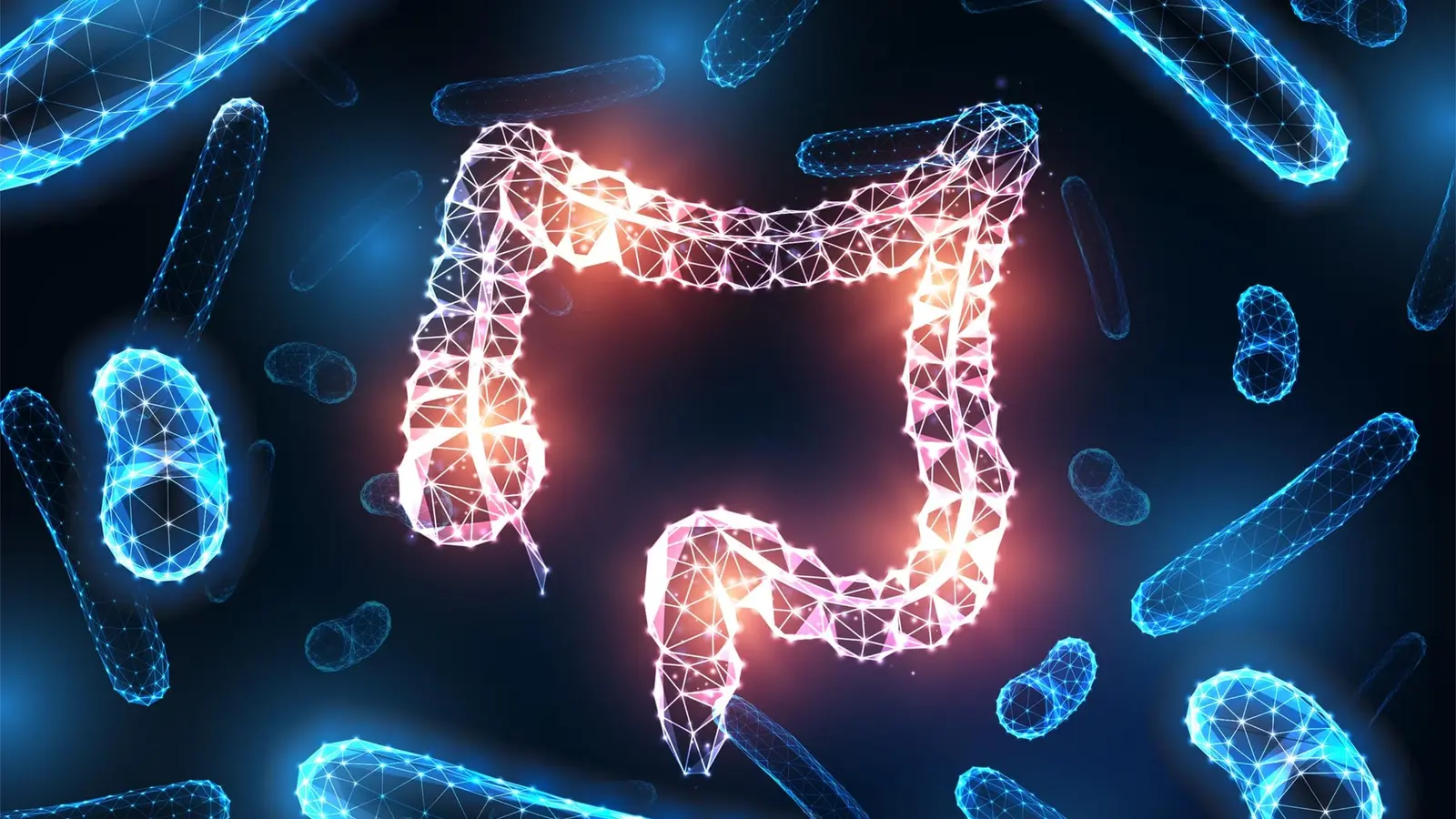
A tiny compound made by friendly gut microbes prevented fatal intestinal collapse in mice and sharply boosted survival in fruit flies. It sounds like science fiction. It is not.
Researchers at Rutgers found that a bacterial metabolite called (amide-)N-methylnicotinamide, or N‑MNA, helped damaged intestines heal by shoring up the cells that rebuild the gut lining. In experiments where untreated mice with inflamed colons lost roughly 20 percent of their body weight and succumbed, animals given N‑MNA lost only about 5 percent and recovered. In flies with injured guts, seven‑day survival climbed from 43 percent to 78 percent after treatment.
What makes N‑MNA interesting is biochemical thrift. Nicotinamide adenine dinucleotide, or NAD, is a central coenzyme for cellular metabolism but cannot cross cell membranes intact. Cells therefore rely on precursor molecules they can take up and convert back into NAD. Human cells do not appear to make N‑MNA, yet many gut bacteria do. The bacterial version differs by a hair from the molecule our bodies create when disposing of excess NAD fragments — a tiny alteration that, crucially, allows cells to recycle it back into NAD.
This bacterial compound is recyclable inside mammalian cells, supplying a meaningful fraction of cellular NAD in lab tests.
Tracking studies found that human colon cells supplied with N‑MNA derived about 22 percent of their NAD from it within 24 hours. The conversion also occurred in human neurons, liver and kidney cells, and in whole fruit flies given the compound. Those results point to a route by which the microbiome might directly influence tissue repair and resilience by replenishing the cell’s NAD pool.
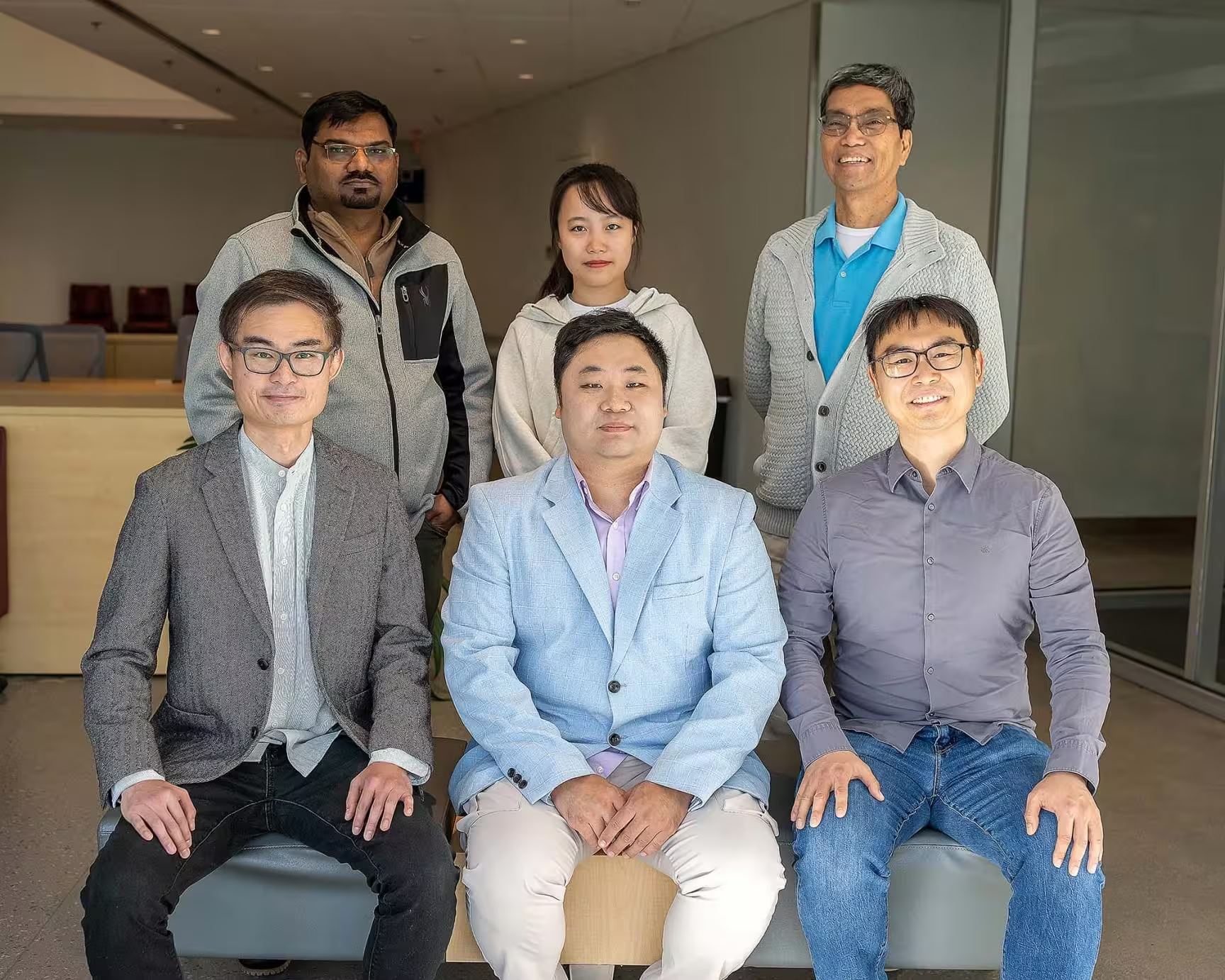
Top, left to right: Jagannatham Naidu Bhupana, Yan Tong, Ronaldo Ferraris. Bottom, left to right: Ching On Wong, Jiangmeng Han, Xiaoyang Su.
The Rutgers team went a step further and looked at patients. Stool samples from 54 people with inflammatory bowel disease and 20 healthy volunteers showed that lower levels of N‑MNA were associated with higher markers of intestinal inflammation. Correlation does not equal causation, but the pattern is suggestive: fewer of this metabolite, more gut trouble.
Practical questions remain. The molecule itself has not been tested as a therapy in humans. It is also unclear whether eating foods or supplements that contain bacteria known to produce N‑MNA, such as some Lactobacilli found in yogurt and probiotics, will raise NAD levels in people or improve outcomes. The researchers are cautious: N‑MNA might be sufficient, but there could be better bacterial metabolites yet to be discovered.
The multidisciplinary effort brought together biochemists, fly geneticists, and intestinal biologists across Rutgers. Supported by a five‑year, $3.6 million NIH grant, the team is hunting for the human enzymes that process N‑MNA and mapping the bacterial genes that make it. Separate work in one lab is testing whether the same pathway can support brain‑cell health and longevity.
Is this the start of a new probiotic therapy or simply a window into how the microbiome nudges our cellular chemistry? Either way, the discovery reframes the gut as an active pharmacy rather than just digestion, and it raises the tantalizing possibility that microbes we already carry might hold molecules capable of repairing what medicine has struggled to heal.

Leave a Comment
Comments
No comments yet. Be the first.