
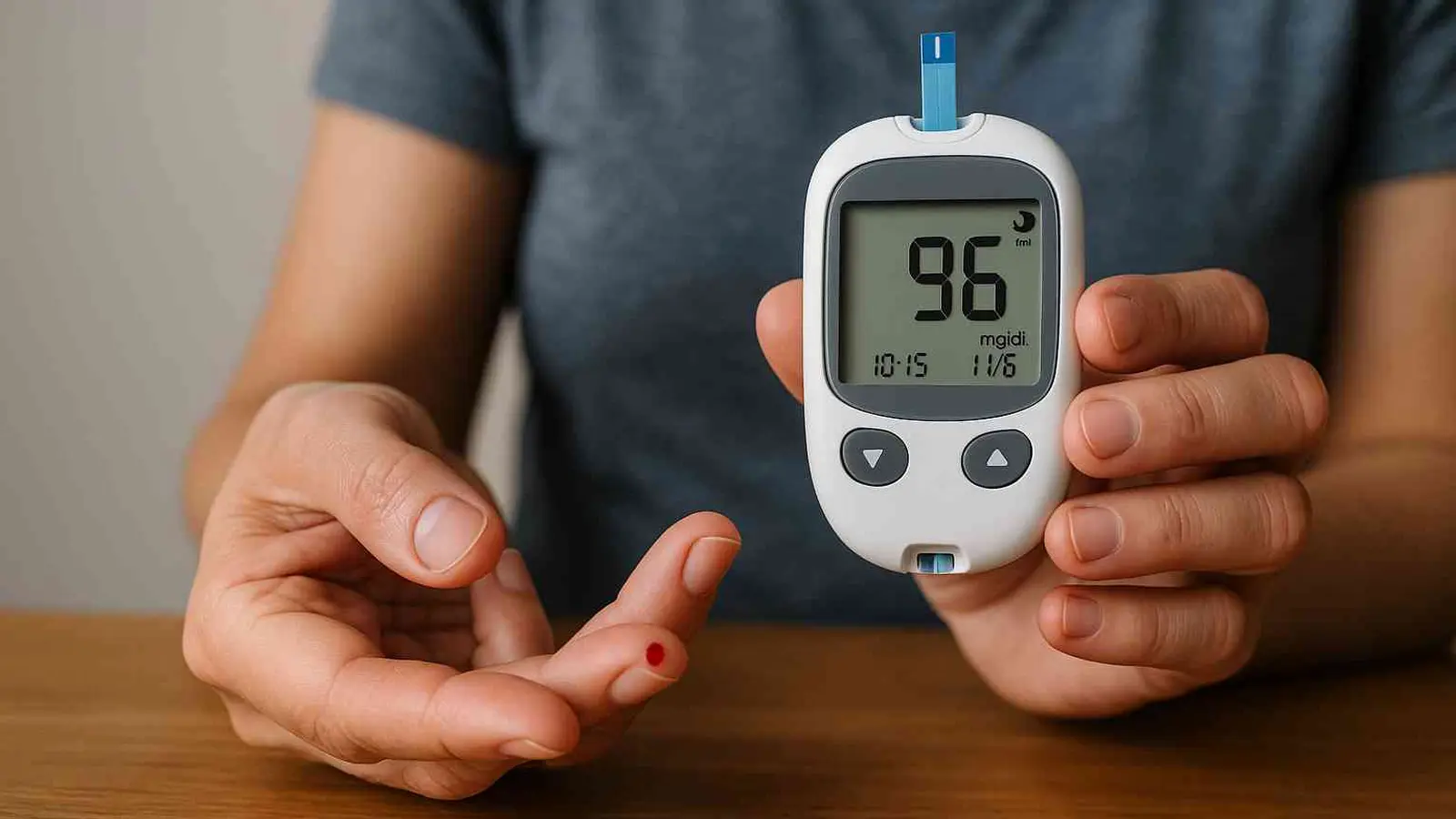
Imagine your daily strolls not as one heroic workout but as a series of tiny interventions — five minutes here, five minutes there — that quietly reshape how your body handles sugar. That’s the provocative takeaway from a new randomized trial published in Obesity.
Researchers enrolled 30 inactive adults with overweight or obesity who reported sitting for more than six hours a day. For six weeks, every participant walked briskly for a total of 45 minutes on five weekdays. The twist: one group did the 45 minutes in a single session, while the other split the time into brief, roughly five-minute walks sprinkled through the day.
Both groups burned about the same amount of energy. Yet continuous glucose monitors told a different story. The short-walk group increased the time their blood glucose spent inside the target range from 82% to 94%. The continuous-walk group moved in the opposite direction, dropping from 89% to 80%. In plain terms: the pattern of activity mattered more than the total minutes.
Short, frequent walks raised time-in-range for blood glucose markedly compared with one continuous session.
How did that happen? Lab tests suggested better glucose tolerance in the break-up-the-sitting group — their bodies cleared glucose from the bloodstream more effectively. Interestingly, the improved stability came largely from fewer abnormally low readings rather than dramatically lower peaks or averages. Insulin sensitivity, however, did not show a detectable change in either group.
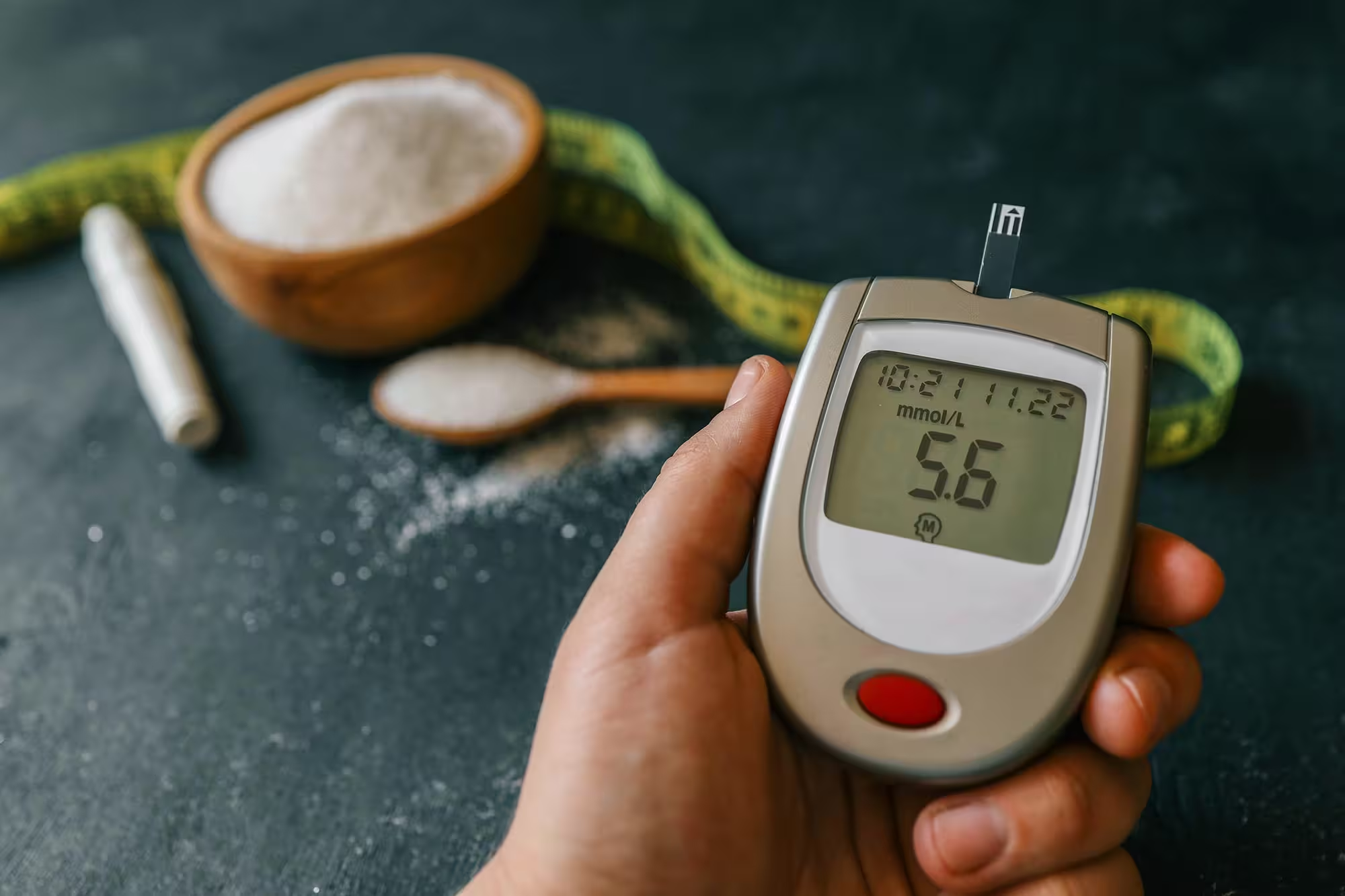
Mechanisms remain murky. One plausible idea is simple: repeated muscle contractions, even brief ones, repeatedly signal tissues to take up glucose. Think of muscles flicking a light switch on and off throughout the day instead of leaving it on once and then letting it dim.
Audrey Bergouignan, PhD, Director of Research at the French National Centre for Scientific Research (CNRS) and an associate professor at the University of Colorado Anschutz Medical Campus, puts it this way: 'How we distribute physical activity throughout the day may be just as important as how much we do.' Her team suggests that regular interruptions of prolonged sitting could offer extra advantages for blood glucose regulation, especially for people at risk of type 2 diabetes.
There are reasons to be cautious. The study was small and lasted only six weeks. There was no non-exercise control group, and participants' diets were not standardized during glucose monitoring, so lifestyle noise could influence the results. Whether these short-term improvements translate into lower diabetes risk or sustained metabolic health remains to be seen.
Still, the message is compelling and practically useful: if your day is a long stretch of sitting, standing up and taking a handful of short, brisk walks may do more for your glucose stability than you expect. Ready to try five minutes at a time?


Leave a Comment
Comments
No comments yet. Be the first.