
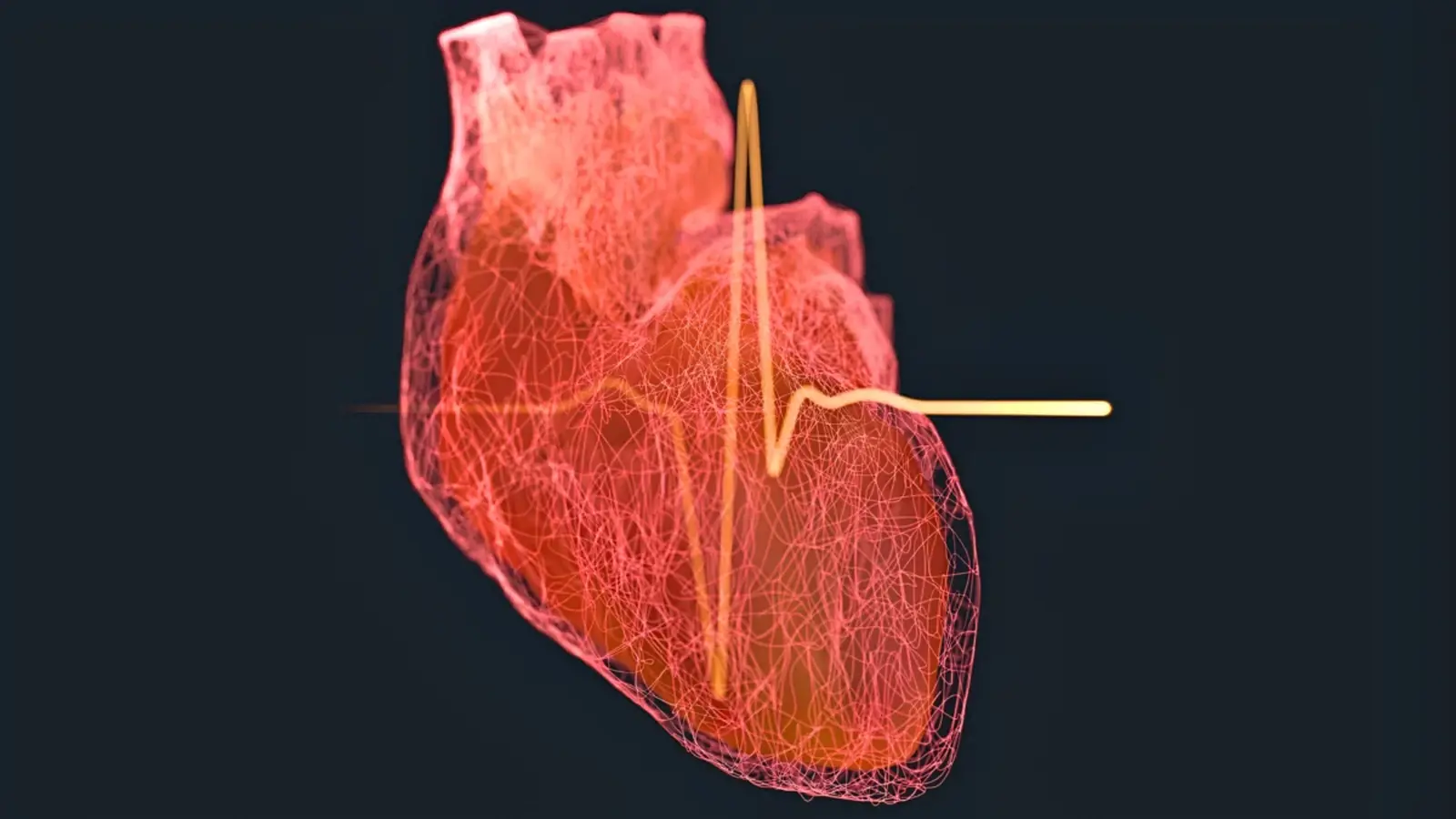
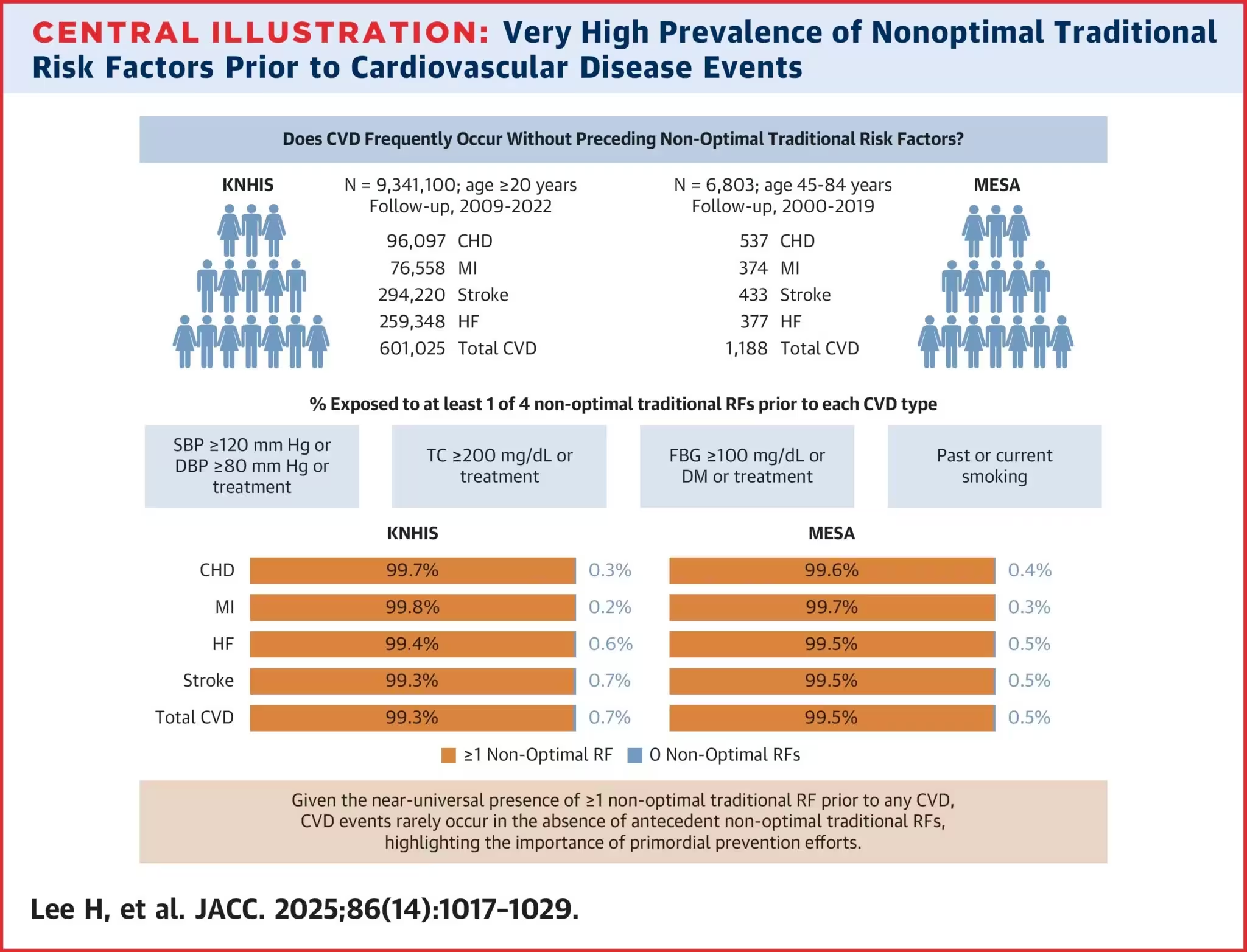
Imagine a heart attack or stroke as a fire that looks sudden from the street but had small, smoldering embers for years. That’s the picture emerging from the largest study of its kind: researchers analyzing health records from 9 million people in the US and South Korea found that 99 percent of major cardiovascular events were preceded by one of just four risk factors—elevated blood pressure, high cholesterol, high blood sugar, or tobacco smoking.
The clearest single offender was raised blood pressure, present before roughly 93 percent of heart attacks, strokes, or heart-failure episodes. That does not mean every person with hypertension will suffer an event, but it does mean clinicians and patients who focus on blood pressure can avert a lot of downstream damage.
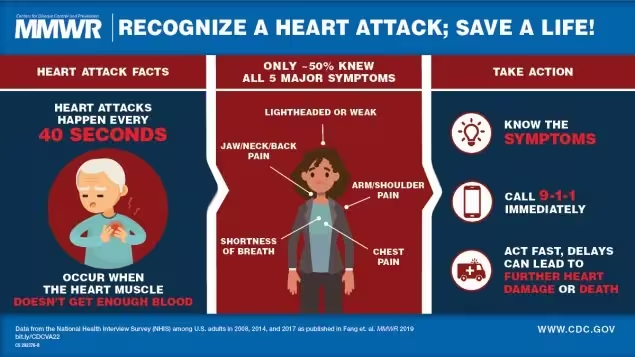
Data like this reframes how we think about cardiovascular emergencies. They are often portrayed as abrupt catastrophes, yet most are the predictable outcome of long-standing, modifiable risks. Which raises a practical question: if the culprits are known and measurable, how fast—and how much—can treatment change the trajectory?
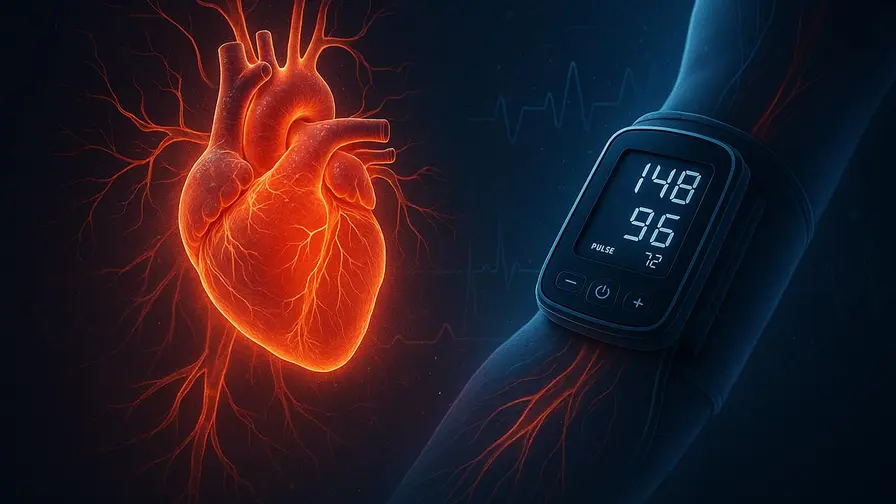
A sweeping meta-analysis of 51 randomized trials offers a surprisingly upbeat answer. Pooled results from more than 350,000 participants show that lowering systolic blood pressure by every 5 mmHg produced about a 12 percent reduction in the risk of stroke, ischemic heart disease, or heart failure within the first year of treatment. Benefits showed up quickly, and across the board: ACE inhibitors, angiotensin receptor blockers, beta-blockers, calcium-channel blockers, and diuretics all contributed to better outcomes.
So the effect is real and robust. It is not limited to a single drug class or a distant payoff. Treating hypertension early can yield tangible cardiovascular gains within months.
Cholesterol control offers a parallel story. Genetic and randomized evidence consistently link lower LDL cholesterol with sharply reduced cardiovascular risk. One genetic analysis estimates that a lifelong drop of 1 mmol/L in LDL corresponds to more than a 50 percent fall in heart disease risk. Long-term trials reinforce that: in a randomized study of nearly 10,000 older adults in Australia, people on statins were about 30 percent less likely to experience a major cardiovascular event after roughly six years.
Glucose-lowering therapies are now joining the conversation. Drugs that mimic GLP-1 hormones, such as semaglutide, were developed for diabetes and weight loss but increasingly show cardiovascular promise. In people with type 2 diabetes and prior heart failure, a daily semaglutide pill cut the composite risk of hospitalization for heart failure, urgent heart-failure care, or cardiovascular death by about 22 percent versus placebo. A 2026 review in Circulation suggests GLP-1 receptor agonists act across multiple metabolic pathways, nudging the body toward a healthier cardiometabolic state.
And then there’s smoking—an old enemy, still profoundly damaging. The harms of tobacco extend to heart failure and nearly every other major chronic disease. But quitting pays off at any age. Some studies indicate that a decade of abstinence can restore life expectancy close to that of lifelong nonsmokers, and even quitting at 75 links to measurable health gains. Prevention here is simple in concept, difficult in practice, but enormously powerful in impact.
Why does this matter beyond the lab and clinic? Because many health systems spend more fixing problems than preventing them. As Edward Fry, former president of the American College of Cardiology, has noted, the United States often treats the broken car rather than investing in preventive maintenance. Shifting resources upstream—into early detection and consistent control of blood pressure, cholesterol, glucose, and smoking cessation—could save lives and money.
Public-health models back that up. The American Heart Association estimates that modest population-level gains—a 10 percent reduction in major risk factors like hypertension, high cholesterol, diabetes, and obesity, combined with a 20 percent improvement in control of blood pressure, blood sugar, and cholesterol—could lower cardiovascular and stroke events in women by up to 23 percent. That is not a technicality. It is real harm prevented.
Clinicians, researchers, and patients are beginning to speak the same language: know your numbers and act on them. Small, sustained changes—consistent blood-pressure control, statins when appropriate, glucose management, and quitting smoking—add up to big reductions in risk. The science is no longer whispering. It is clear enough to build policy, guide clinical practice, and give individuals pragmatic steps to protect their hearts.
So next time you hear about a heart attack that ‘came out of nowhere,’ remember the embers. They are visible, measurable, and often within reach of treatment.


Leave a Comment
Comments (2)
Is this causation or just correlation? Trials show benefit but population records can be messy... also who gets access to meds, lifestyle support? hmm
Wow that blood pressure stat is wild, 93%?? Didn't see that coming. Makes me wanna check my numbers rn, for real.