
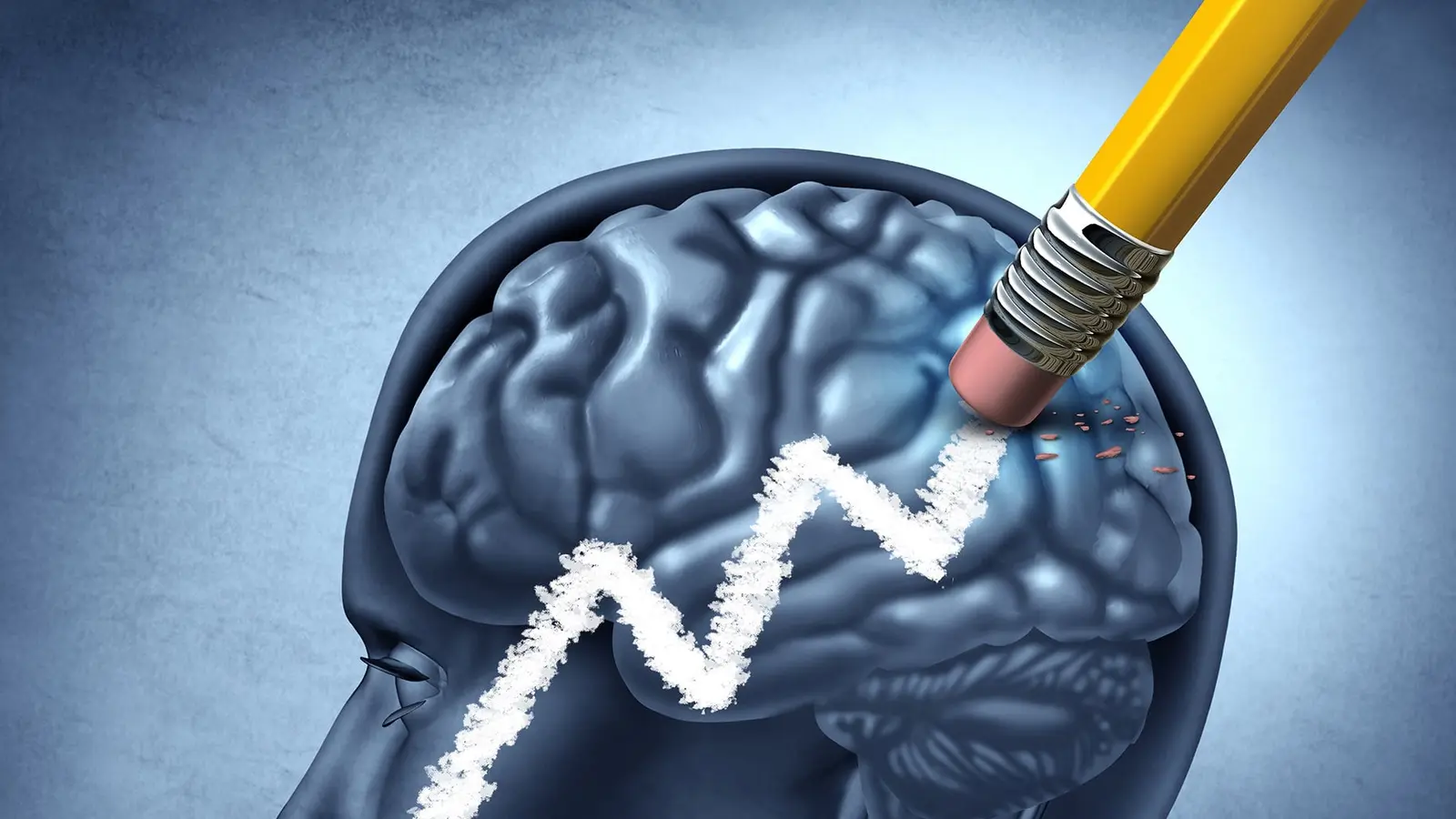
What if a few drops in the nose could turn back the clock on memory? Researchers in Sydney have taken a striking step toward that idea, using nasal mRNA to coax the brain into making more of a key survival protein and restoring memory in older mice.
The target is brain-derived neurotrophic factor, or BDNF, a protein that helps neurons survive and reshape their connections as new memories form. BDNF levels fall with age and in many cases of dementia. Getting more of the protein into the brain is easier said than done; the blood-brain barrier is a strict gatekeeper. So the team exploited a different route: the olfactory paths that link the nasal cavity to the brain, delivering instructions rather than the protein itself.
They adapted the same lipid nanoparticle mRNA platform familiar from covid vaccines, but repackaged it for nasal administration. Cells lining the nose read the mRNA instructions and produced BDNF, which then reached brain tissue. Simple concept. Clever engineering. Fast translation of vaccine tech into neurology.

How well did it work? In standard behavioural tests, older mice given the drops regained the kind of short-term attention, spatial recall and object recognition normally seen in much younger animals. The improvement was not subtle. Cognition shifted back toward a youthful baseline.
And in mice engineered to develop an aggressive, human-like Alzheimer’s pathology, the treatment prevented the usual early decline when given regularly from the first signs of disease. The animals kept performing as if they were healthy, despite carrying the genetic mutations associated with the disorder.
Curiously, the therapy did not clear amyloid plaques, the dense protein clumps that many drugs target. Instead, the treated animals showed more new neurons in the hippocampus and better neuronal connectivity, suggesting the treatment bolsters the brain’s resilience rather than removing existing plaques. In other words, it appears to support neuronal health so the brain can cope with pathology.
If this nasal mRNA approach translates to humans, it could offer a non-invasive way to boost cognitive health and blunt neurodegeneration.
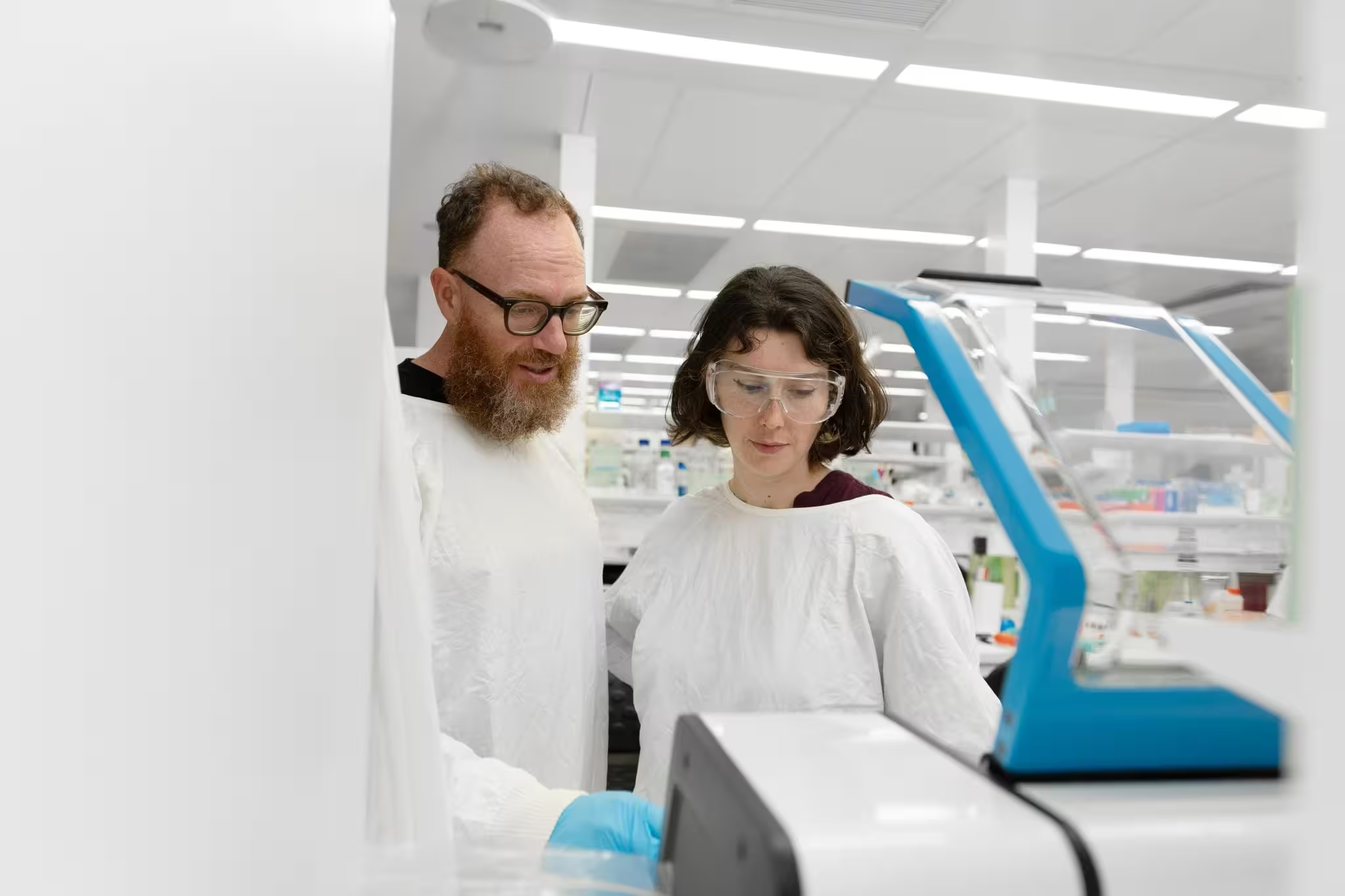
The researchers are cautious. Mice tolerated the drops with no major side effects in the study, but human noses are different in structure and scale. Rigorous safety studies in larger animals and early human trials will be needed before clinicians can consider prescribing anything similar.
Beyond Alzheimer’s, the delivery route has broader promise: stroke, traumatic brain injury and some rare neurological disorders that could benefit from local production of therapeutic proteins. The team plans to refine the formulation, test long-term safety and, if all goes well, move toward human trials within a few years.
So the question becomes less about whether the nose can be an entry point and more about how soon science can safely translate that doorway into treatments for people whose memories are slipping away.

Leave a Comment
Comments
No comments yet. Be the first.