
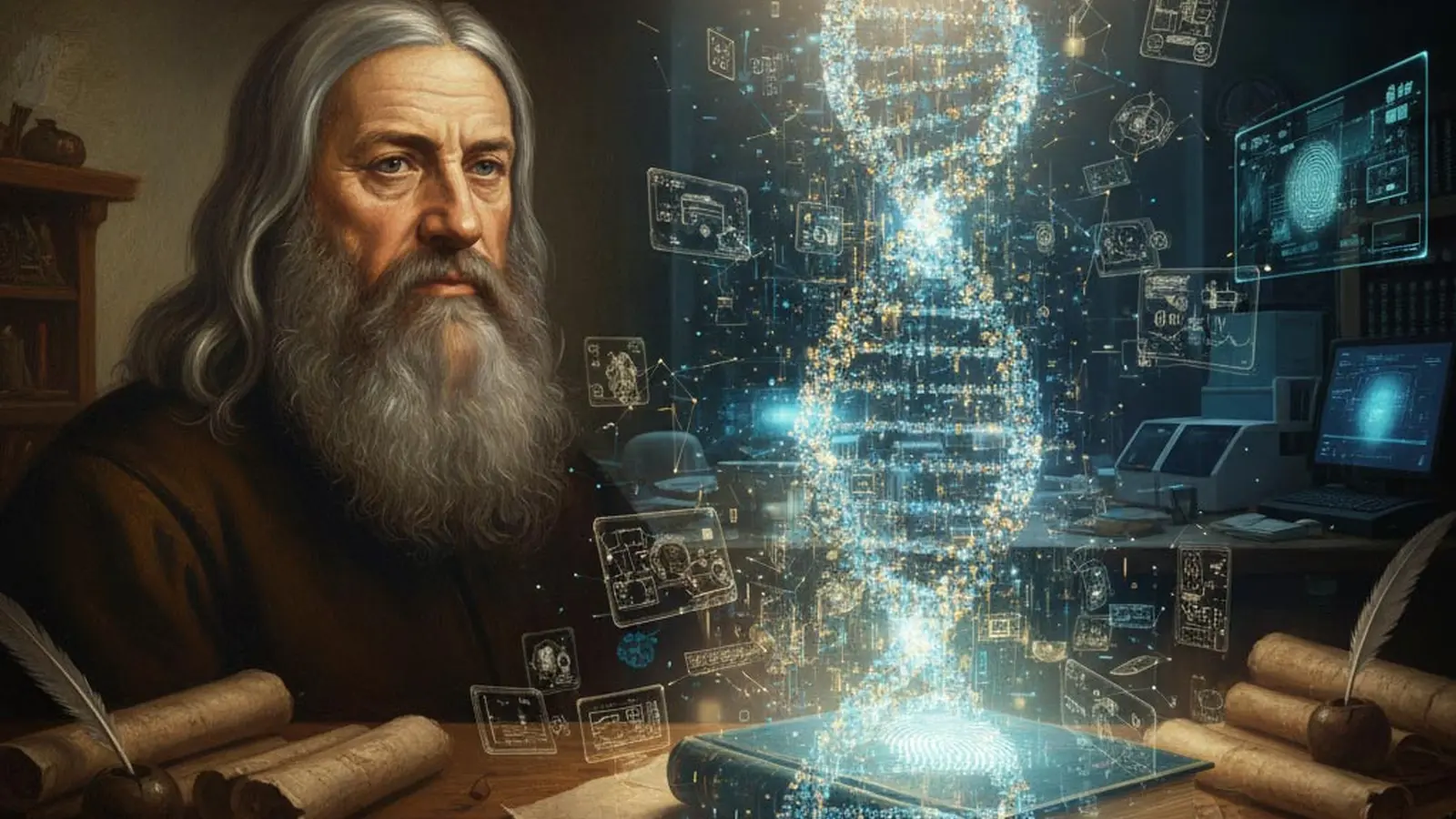
Project overview: tracing a 500-year-old lineage
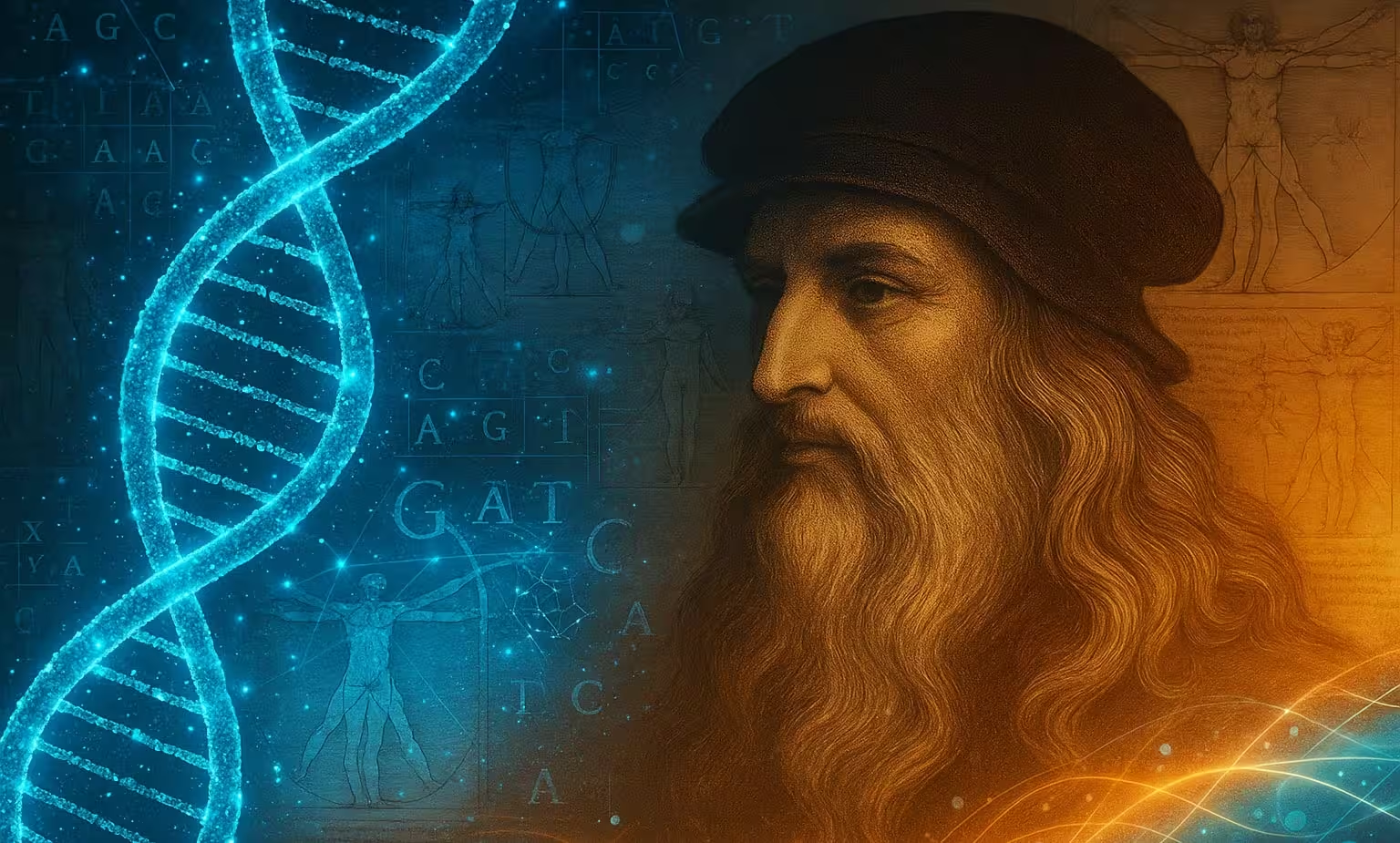
Scientists involved in the Leonardo DNA Project report progress toward reconstructing the DNA of Leonardo da Vinci, the Renaissance polymath who died in 1519. The interdisciplinary effort combines genetic genealogy, forensic anthropology, and ancient DNA (aDNA) techniques to identify male-line descendants and to test remains potentially linked to da Vinci's family. According to a recent project announcement, researchers have genetically confirmed a da Vinci male bloodline that traces back to the early 14th century (around 1331) by comparing Y-chromosome segments among living descendants.
The effort aims to locate biological material that can be credibly connected to Leonardo for comparative testing. If authenticated, this material could enable partial or complete sequencing of the Renaissance master's genome — a task that would rely on careful aDNA extraction, contamination control, and modern sequencing technologies. Project leaders say the goal is not merely historical curiosity: sequencing da Vinci's genome could provide data to explore genetic contributors to visual acuity, cognitive traits, health, and possibly causes of death, though genetic associations are complex and not deterministic.
Methods, discoveries, and fieldwork
Genealogical groundwork and living descendants
Two genealogists, Alessandro Vezzosi and Agnese Sabato from the Leonardo Da Vinci Heritage Association, compiled extensive family trees to identify male-line relatives descended from Leonardo's father and half-brothers. Molecular anthropologist David Caramelli and forensic anthropologist Elena Pilli reportedly tested six living male descendants; matching Y-chromosome segments indicate a consistent paternal lineage across at least 15 generations. Y-chromosome analysis is commonly used in genetic genealogy because it passes largely unchanged from father to son, allowing inference of male-line ancestry.
Excavation and ancient DNA candidates
A separate component of the project involves archaeological excavation of a family tomb that may contain the remains of Leonardo’s grandfather, uncle, and half-brothers. University of Florence anthropologists Alessandro Riga and Luca Bachechi are leading the dig. Preliminary osteological assessments identified at least one male skeleton in the assemblage. As David Caramelli has noted, "Further detailed analyses are necessary to determine whether the DNA extracted is sufficiently preserved. Based on the results, we can proceed with analysis of Y chromosome fragments for comparison with current descendants." Preservation, contamination, and post-mortem DNA degradation are key constraints for successful aDNA recovery.
Implications, challenges, and scientific context
If the Y chromosomes of living da Vinci descendants match fragments recovered from older remains, that concordance would strengthen the case that the excavated bones belong to Leonardo's family line. However, several scientific and ethical hurdles remain: confirming provenance of remains given the destruction of Saint Florentin church in Amboise during the French Revolution, ensuring uncontaminated aDNA sequences, and validating results through independent replication. Historically, bones attributed to da Vinci were moved in 1863 to a chapel in the Loire Valley, but identification has long been contested.
Genomic sequencing of historical figures has advanced in recent years — from Neanderthal genomes to historical pandemics — but success depends on sample quality and robust comparative data. Even with a validated genetic profile, drawing direct links between genotype and complex traits such as artistic creativity or vision requires caution; genetic associations can suggest biological contributions but cannot fully explain cultural, educational, and environmental influences.
Expert Insight
"Recovering usable DNA from five-century-old remains is technically feasible but far from guaranteed," says Dr. Maria Rossi, a fictional molecular geneticist specializing in ancient genomes. "The most critical steps are strict contamination control, targeted enrichment of Y-chromosome regions, and independent replication of results. Even then, we should interpret genotype–phenotype connections conservatively: genetics may illuminate predispositions but not singularly define Leonardo's talents."
Conclusion
The Leonardo DNA Project represents a careful blend of genetic genealogy, forensic anthropology, and archaeology aimed at resolving long-standing questions about Leonardo da Vinci’s remains and genetic heritage. Confirming a male-line genetic match between living descendants and excavated remains would be a major milestone toward sequencing parts of da Vinci's genome. While scientific, preservation, and interpretive challenges remain, continued excavation, rigorous aDNA protocols, and transparent peer review could eventually yield new insights into the biological background of one of history’s most celebrated polymaths.


Leave a Comment
Comments
No comments yet. Be the first.