
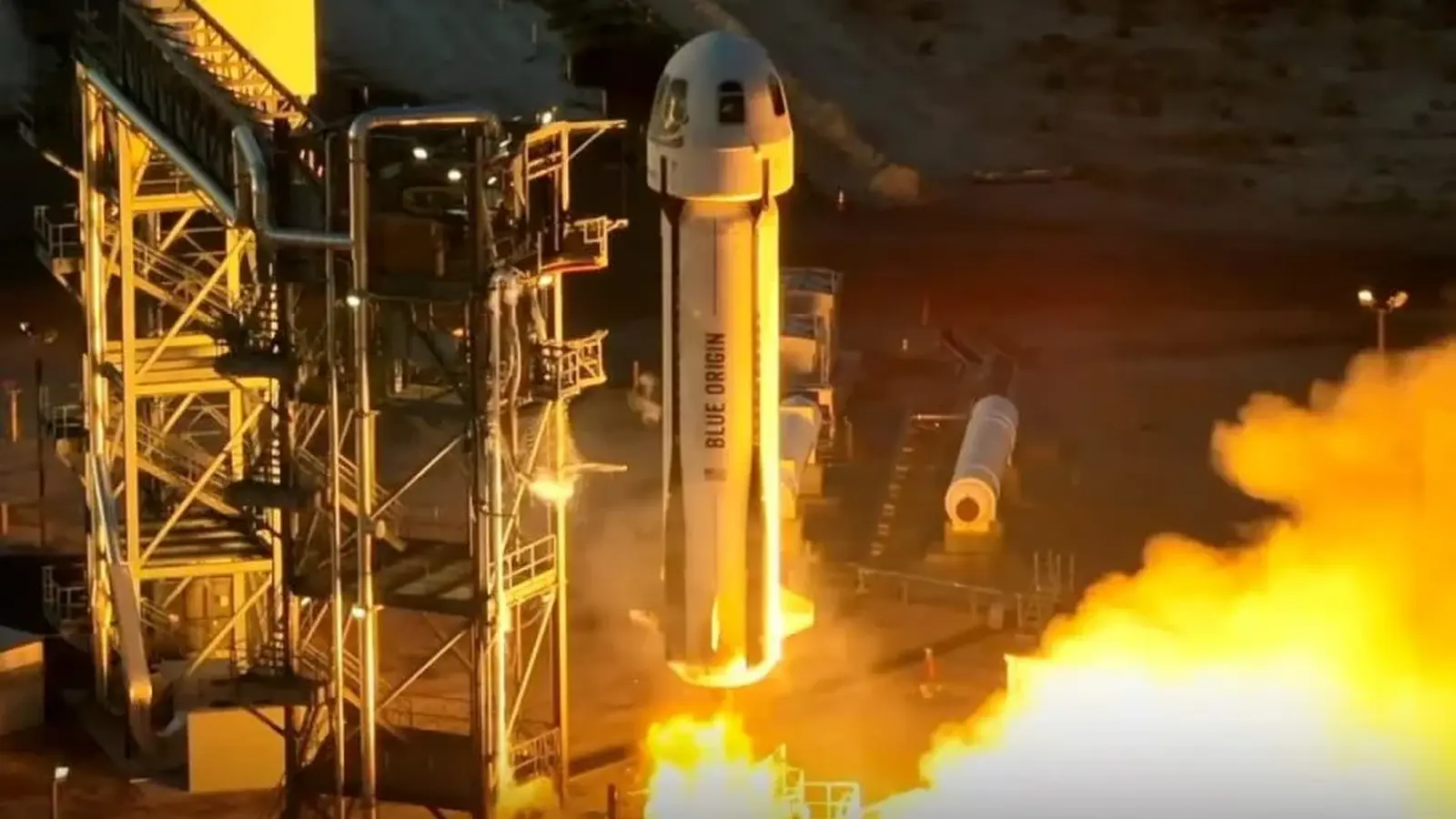
SpaceX says a Chinese satellite passed within roughly 200 meters of one of its Starlink spacecraft during a recent launch, highlighting a growing problem: crowded low Earth orbit and limited coordination among satellite operators. The near miss raises fresh concerns about collision risks, orbital debris and the need for clearer traffic-management procedures in space.
What happened during the Kinetica 1 launch?
On Tuesday (19 Azar in the Iranian calendar), China’s Kinetica 1 rocket lifted off from the Jiuquan launch base in the Gobi Desert carrying nine payloads. According to SpaceX, one of those payloads approached a Starlink satellite identified as STARLINK-6079 at an altitude near 560 kilometers and came as close as roughly 200 meters — a distance SpaceX called “dangerously close.”
The Kinetica 1 mission reportedly deployed six Chinese multipurpose satellites plus a remote-sensing satellite for the United Arab Emirates, a scientific satellite for Egypt and an educational satellite for Nepal. SpaceX has not publicly identified which of the nine objects caused the near approach.
SpaceX warns about poor coordination
Michael Nichols, Starlink’s vice president of engineering, posted on X that, to his knowledge, there was no coordination or process in place to prevent interference with active satellites during the launch. He emphasized that much of the risk in space stems from uncoordinated operations between different operators.
SpaceX’s statement underlines a growing industry debate: how to balance rapid satellite deployment with traffic-management practices that reduce collision risk. When operators don’t share planned trajectories, launch windows and post-deployment maneuvers, the chance of close approaches and potentially catastrophic collisions rises.
CAS Space responds and opens investigation
CAS Space, the operator behind the Kinetica 1 rocket, said it followed required ground-system procedures to select an appropriate launch window and that such checks are mandatory for all its missions. The company added that it is reviewing the incident and will consult relevant parties to clarify what happened.
The exchange between SpaceX and CAS Space reflects a familiar pattern: operators defend their launch procedures while also acknowledging the need to investigate near misses. With more nations and private companies launching payloads, finding common operational standards is becoming urgent.
Why low Earth orbit crowding matters
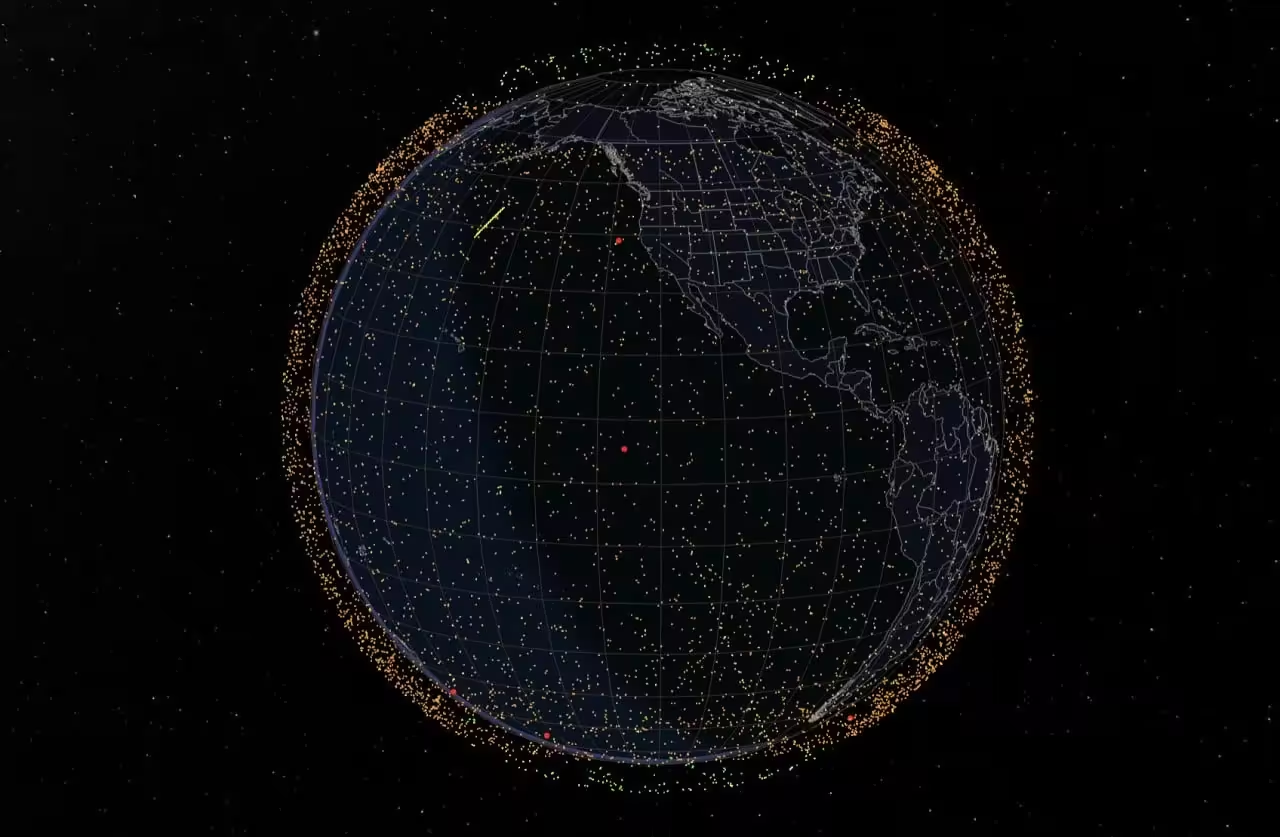
Low Earth orbit (LEO) is getting busier fast. In 2020 there were fewer than 3,400 active satellites; in the past five years that figure has jumped to roughly 13,000. SpaceX alone operates nearly 9,300 Starlink satellites, with more than 3,000 deployed this year. That scale of deployment increases the probability of close approaches, radio-frequency interference and — worst of all — collisions that create debris.
Experts warn that even a single collision can generate thousands of fragments, each capable of damaging other spacecraft. This cascade effect is known as the Kessler syndrome, a scenario first described by NASA scientist Donald Kessler in 1978, where collisions produce debris that triggers more collisions and eventually renders important orbital regions hazardous or unusable.
What this means for orbital safety and policy
Near misses like the Kinetica 1 incident underscore the need for improved space traffic management, clearer norms for sharing orbital data and more international collaboration. Possible measures include mandatory advance notifications, standardized maneuver-planning protocols and centralized tracking data that are accessible to commercial and national operators alike.
For scientists, satellite operators and policymakers, the lesson is clear: accelerating capacity in orbit must be matched by stronger coordination and transparency to prevent accidents that could have long-lasting consequences for space operations and Earth-based services that rely on satellites.


Leave a Comment
Comments
No comments yet. Be the first.