
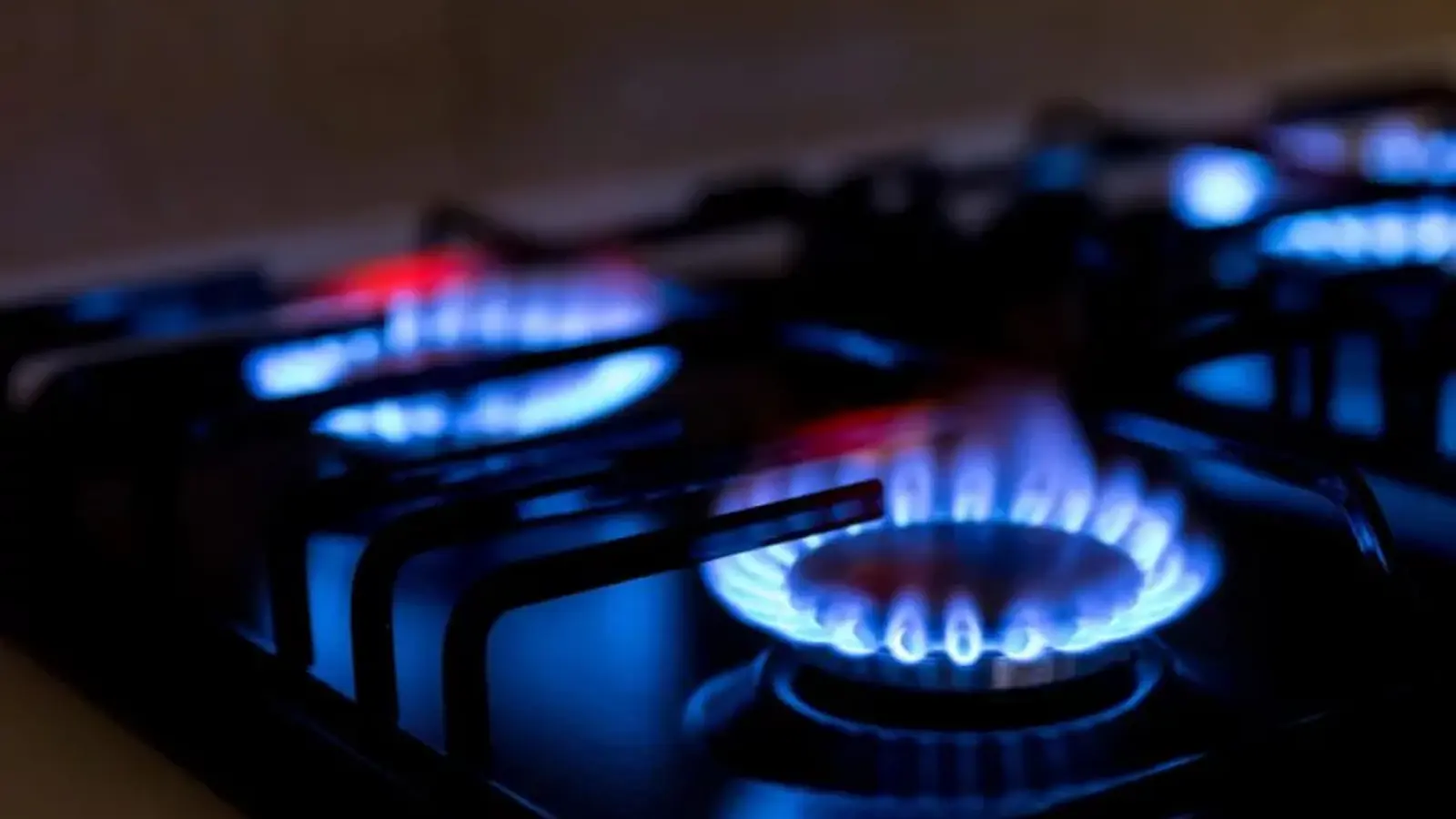
Many people assume their homes are safe havens from outdoor air pollution. New research from Stanford University challenges that assumption, identifying common gas and propane stoves as a major indoor source of nitrogen dioxide (NO2), a toxic gas linked to respiratory disease and other long-term health risks.
Gas stoves: an unexpected indoor source of NO2
The Stanford study published in PNAS Nexus measured long-term NO2 exposure and found that household gas and propane burners contribute significantly to a person’s total NO2 burden. For typical indoor users, roughly one-quarter of lifetime NO2 exposure — including both indoor and outdoor contributions — comes from gas stoves. For those who cook frequently, that share can rise to more than half of their overall exposure.
Why NO2 matters for health
Nitrogen dioxide is a reactive gas produced when fuel is burned. Short-term spikes can irritate airways and trigger asthma attacks; chronic exposure has been associated with worsened respiratory function and elevated risks for lung cancer and metabolic conditions such as diabetes. During active cooking, the study notes, NO2 concentrations in kitchens can briefly exceed short-term guidance levels set by the World Health Organization and the U.S. Environmental Protection Agency.

This new work reinforces earlier findings from institutions such as Purdue University, which reported that gas stoves can emit far more harmful particles than vehicle exhaust and also release benzene — a known carcinogen associated with blood cancers. Together, these studies paint a concerning picture: indoor combustion appliances can be a large and often overlooked source of air pollution inside homes.
Reducing risk: simple steps and bigger policy moves
Researchers suggest several practical strategies to cut indoor NO2 exposure. Replacing gas stoves with electric or induction cooktops substantially reduces indoor NO2 levels. When replacement isn’t immediately possible, effective ventilation makes a big difference: using a range hood that vents outdoors or cracking a window while cooking lowers peak pollutant concentrations.
Everyday alternatives
- Use electric appliances where possible — kettles, toasters, and slow cookers are inexpensive options that avoid combustion emissions.
- Run a venting range hood on high while frying, broiling or simmering strong-smelling foods.
- Open windows briefly during and after cooking to dilute pollutants.
On the policy level, states and cities are beginning to act. New York State passed an ‘‘all-electric buildings’’ law in 2023 to phase in electric appliances in many new constructions, aiming to curb indoor combustion emissions and reduce greenhouse gases. The law’s implementation has been delayed by legal challenges, but it signals broader momentum toward electrification as a public-health and climate strategy.
What this means for households
For families concerned about asthma, children’s health, or long-term risks like lung cancer, the message is clear: indoor air quality matters, and the choice of cooking appliance is part of that picture. Transitioning to electric cooking, improving ventilation, and reducing the use of combustion-based devices can lower NO2 exposure and its associated risks.
As the science accumulates, consumers and policymakers alike will face decisions that balance cost, convenience and health. In the meantime, a small change — turning on the hood or switching a few routines to electric alternatives — can produce measurable reductions in indoor air pollution.


Leave a Comment
Comments
No comments yet. Be the first.