
4 Minutes
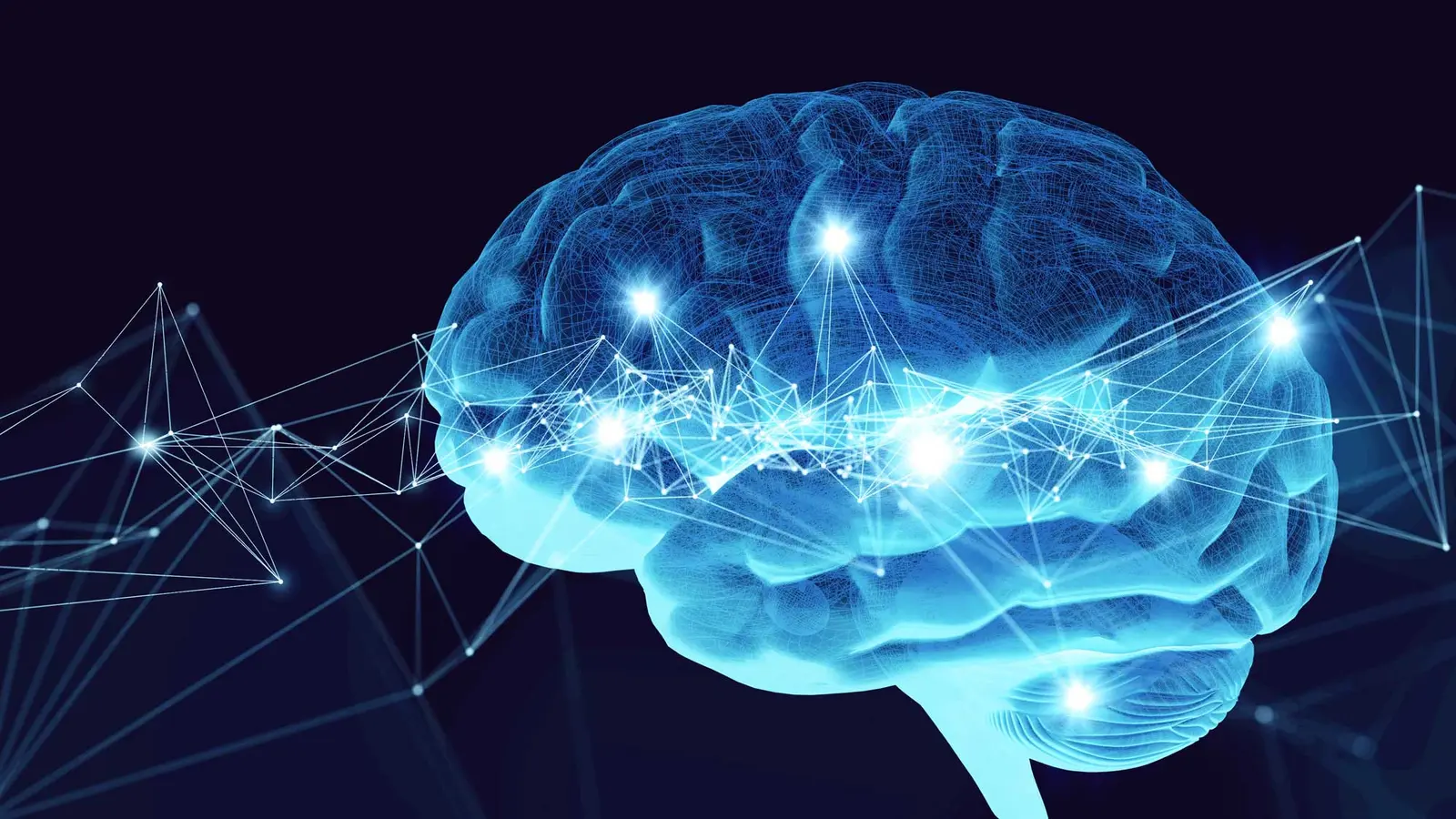
Brain imaging from researchers at the University of Nottingham and the University of Cambridge suggests our brains treat personal events and factual knowledge more similarly than decades of theory predicted. Using carefully matched tasks and fMRI scans, the team found overlapping neural patterns when people recalled episodic versus semantic memories — a result that could change how memory disorders are studied and treated.
Brain scans show that recalling facts and reliving past experiences activate the same brain regions. The result overturns long-standing ideas about memory and suggests the brain treats different kinds of remembering more alike than expected.
Why the distinction between episodic and semantic memory matters
Memory researchers have long separated two core systems: episodic memory, which lets you relive a personal event with its time and place context, and semantic memory, which stores facts and general knowledge detached from when those facts were learned. This conceptual split shaped decades of experiments, clinical tests, and models of memory loss in conditions such as dementia and Alzheimer’s disease.
But models are only as useful as the evidence behind them. If the brain uses largely the same circuits to recall a childhood birthday and a historical fact, then the way we design experiments and clinical interventions may need to change.
How the team tested memory fairly
One challenge in comparing episodic and semantic memory is that typical lab tasks differ dramatically: experiments that test personal memories often look very different from those that probe factual knowledge. To avoid that confound, the researchers built matched tasks. Forty volunteers learned specific logo-brand pairings in a controlled study phase, then later completed two types of retrieval tests while undergoing fMRI.
- Semantic retrieval asked participants to access brand knowledge that exists in long-term, real-world memory.
- Episodic retrieval asked participants to recall the specific logo-brand pairings they had learned during the experiment.
By keeping stimuli and decision demands similar across tasks, the team removed many alternative explanations for any differences in brain activity — making it a fairer test of whether different forms of remembering recruit distinct networks.
fMRI: mapping blood flow to thought

Functional magnetic resonance imaging, or fMRI, measures changes in blood flow that accompany localized increases in brain activity. When neurons in a region work harder, the vascular system supplies more oxygen-rich blood, and fMRI captures that signal as a proxy for neural engagement. While fMRI cannot read thoughts directly, it produces high-resolution 3D maps showing which regions are active during specific tasks, such as remembering a fact or reliving an event.
Surprising overlap in the brain
Contrary to long-standing expectations, the scans showed substantial overlap in the brain areas engaged during successful episodic and semantic retrieval. Dr. Roni Tibon, who led the study from the School of Psychology at the University of Nottingham, said the team expected clear neural differences but instead observed a high degree of shared activation. Where traditional models predicted separable systems, the data showed common neural machinery for both types of recall.
That overlap was consistent across participants and robust enough to persist when researchers controlled for task difficulty and other confounds. Put simply: the brain seems to rely on overlapping networks when reconstructing a past event or retrieving a factual detail.
Why this matters for dementia and neurological care
If episodic and semantic memories depend on largely shared systems, clinical approaches to memory impairment may need rethinking. For example, interventions designed to bolster one memory type might influence the other more than expected. The authors suggest the findings could guide new strategies for diagnosing and treating conditions like Alzheimer’s, where both personal recollection and factual knowledge erode over time.
Beyond medicine, the results invite cognitive neuroscientists to design experiments that probe memory as an integrated system rather than two neatly separated modules. That could accelerate discoveries about how memories form, consolidate, and degrade.
Expert Insight
Dr. Maria Solano, a fictional cognitive neurologist and science communicator, commented: 'This study is a timely reminder that the brain rarely respects our neat theoretical categories. Overlap between episodic and semantic retrieval suggests therapeutic techniques that strengthen general memory networks may yield broader benefits. Future work should test whether targeted training in one domain transfers to the other.'
The paper, published in Nature Human Behaviour, opens new questions: Which specific circuits within the overlapping network support the unique subjective qualities of episodic recollection, such as vividness and temporal detail? And how do these shared patterns change across the lifespan or in neurodegenerative disease?
As memory research moves forward, methods that combine tightly controlled behavioral paradigms with high-resolution neuroimaging will be essential. This study demonstrates how careful task design can reveal unexpected commonalities in brain function — and why re-evaluating long-held assumptions can uncover simpler, more integrated models of cognition.








Leave a Comment
Comments (2)
Makes sense tbh. If the same networks do both, rehab could be simpler, win for clinics imo.
Wait so facts and memories use same circuits? sounds too neat, what about vividness, timeline stuff? curious but skeptical.