
3 Minutes
A genetic study of more than a quarter-million people suggests a surprising link between vitamin B1 (thiamine) metabolism and how quickly food moves through the digestive tract. The research highlights gene variants tied to thiamine activation and transport, and connects those variants to measurable differences in stool frequency — a simple but important marker of gut motility.
Genetic clues point to thiamine as a gut regulator
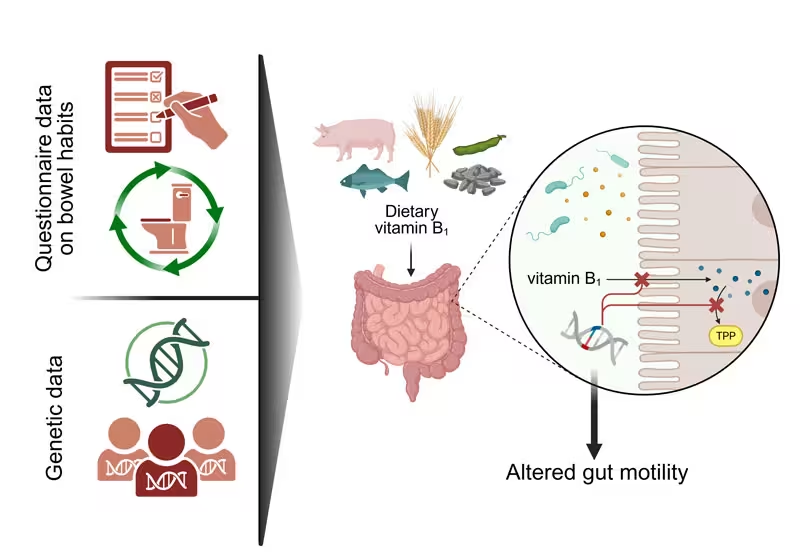
Researchers working with datasets from European and East Asian populations scanned genomes to map genetic influences on gut motility. Rather than limiting results to previously known pathways like bile acids and nervous-system signaling, the analysis returned a clear signal for vitamin B1 metabolism. "We used genetics to build a roadmap of biological pathways that set the gut's pace," said Cristian Diaz-Muñoz of the Basque Research & Technology Alliance. "What stood out was how strongly the data pointed to vitamin B1 metabolism."
Two specific gene variants the team identified appear to change expression of genes involved in thiamine activation and cellular transport. In a targeted follow-up using almost 100,000 UK Biobank participants, investigators found a robust association between dietary thiamine intake and stool frequency, though the effect varied in people carrying the identified variants.
That pattern suggests thiamine metabolism is not merely correlated with bowel habits but may play a causal role in setting gut transit time. The study, published in Neurogastroenterology in 2026 (Díaz-Muñoz et al., 2026), frames thiamine as a plausible, previously underappreciated regulator of stool frequency.
What this means for patients and future research
Gut motility underlies many common conditions — from chronic constipation and diarrhea to irritable bowel syndrome (IBS). "Gut motility problems sit at the heart of irritable bowel syndrome, constipation, and other common gut-motility disorders," explained geneticist Mauro D'Amato. Pinpointing nutrient-linked pathways opens testable leads for laboratory work and clinical studies aimed at people genetically predisposed to motility issues.
Could boosting vitamin B1 help? The data are promising but preliminary. Observational links and genetic associations do not prove that supplements will correct dysmotility for everyone. Still, earlier clinical work hints at potential benefits: some trials and clinical observations have reported improvements in gut inflammation or systemic symptoms when thiamine was used therapeutically, including a 2020 randomized trial showing symptom improvements in patients with inflammatory bowel disease after high-dose thiamine.
Thiamine: diet and function
- Dietary sources: whole grains, pork and other meats, fish, legumes, and fortified cereals.
- Biological role: thiamine helps convert food to energy and supports nervous-system function, both of which can influence intestinal muscles and nerve signaling.
- Microbiome link: researchers are starting to explore how thiamine availability affects gut microbes, which in turn can modulate motility.
Next steps will include laboratory experiments to trace how the implicated gene variants alter thiamine processing at the cellular level, and carefully designed clinical trials that test whether targeted thiamine supplementation improves stool frequency and IBS symptoms in genetically susceptible individuals. Any clinical recommendations will require replication, dose-finding studies, and safety evaluation.
For now, the study adds an intriguing piece to a complex puzzle: nutrients — not only drugs — can shape fundamental aspects of gut physiology. If validated, this insight could steer more personalized nutritional approaches for managing bowel disorders, pairing genetic screening with tailored dietary or supplement strategies.












Leave a Comment
Comments
No comments yet. Be the first.