
4 Minutes
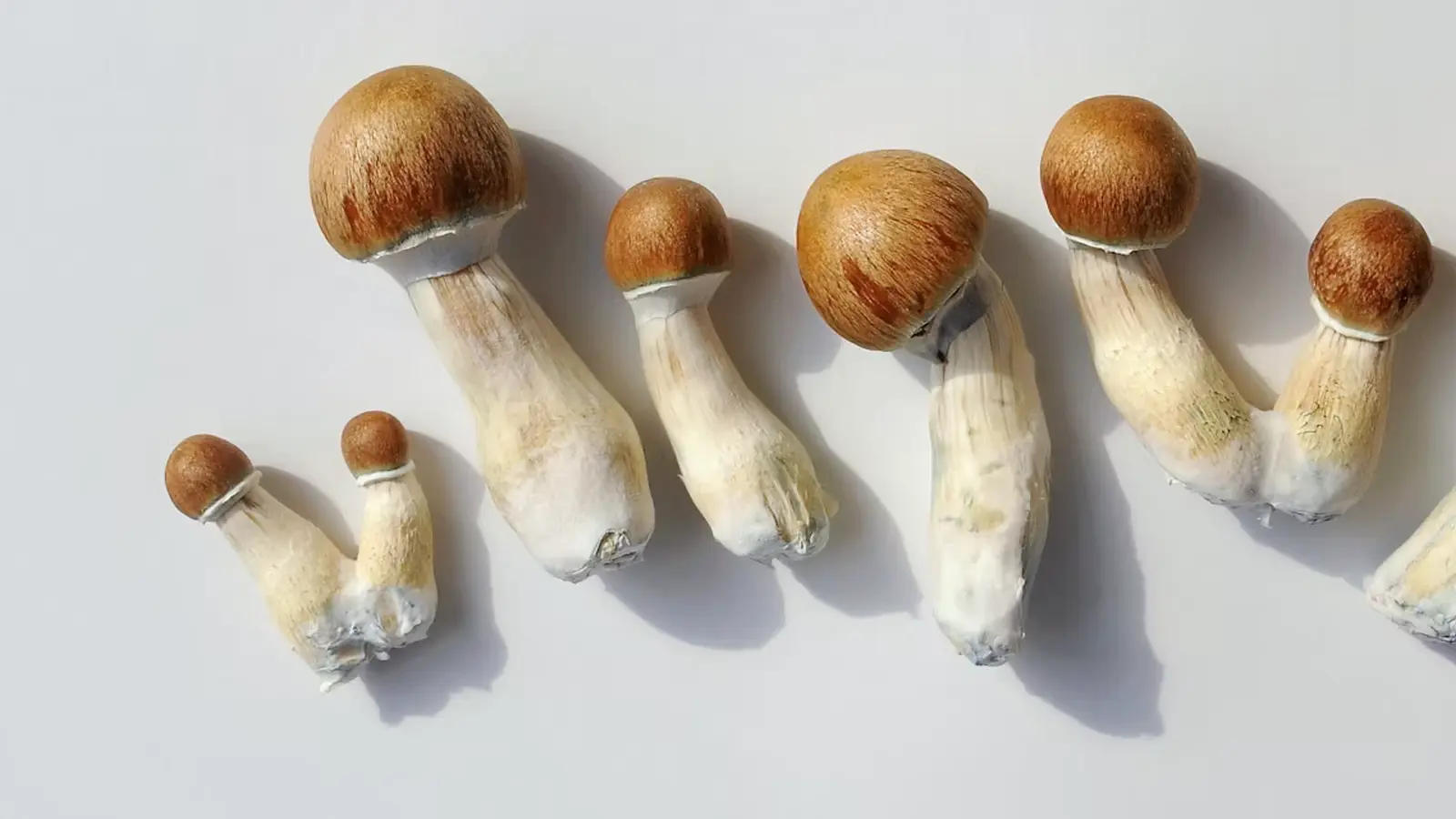
What if relief from depression did not take weeks to arrive, but days? That is the striking question behind a new study suggesting that a single dose of psilocybin, the psychedelic compound found in certain mushrooms, may ease depressive symptoms quickly and keep helping for months.
Published in JAMA Network Open, the trial followed 35 adults with recurring depression. Participants were randomly assigned to receive either psilocybin or an active placebo, vitamin B3, which can cause temporary skin flushing and was used to mimic at least some physical sensations of treatment. Everyone in the study also received psychological support before, during, and after dosing, a crucial part of this kind of research.
The early results were hard to ignore. Within just eight days, people who received psilocybin showed clear improvements in mood. By the end of the six-week follow-up, more than half no longer met the criteria for depression. In the placebo group, only one participant reached that same level of recovery.

That kind of speed stands out in mental health care, where many conventional antidepressants can take weeks to show a meaningful effect. For researchers, the findings add weight to the growing belief that psychedelic-assisted therapy could become an important option not only for treatment-resistant depression, but also for more common forms of the condition.
The benefits did not vanish overnight. When researchers tracked participants over the longer term, self-reported improvements in the psilocybin group lasted for a little more than three months. After that, the difference between the two groups began to shrink as some people in the placebo group also started to feel better. That is not especially surprising. Depression often ebbs and flows, and symptoms can ease over time, even without a new intervention.
There was another layer to the story. During the year-long follow-up, just over a third of participants in both groups began taking antidepressant medication, typically around four months after the trial started. That overlap makes the long-term picture more complicated, but it also reflects real life, where treatment paths are rarely clean or linear.

The treatment itself was generally well tolerated, though not entirely without risk. Two participants experienced anxiety that lasted for several weeks. That matters, because excitement around psychedelic medicine sometimes outruns the nuance. Psilocybin is not a casual wellness trend, and studies like this one are conducted in tightly controlled clinical settings with trained support in place.

One of the biggest scientific headaches in this field remains surprisingly simple: people usually know when they have taken psilocybin. Researchers call this the problem of blinding. In an ideal trial, participants should not know whether they received the real treatment or the placebo, because expectations can shape how people feel and what they later report. But psilocybin produces such a distinctive altered state that almost all participants correctly guessed which group they were in, despite identical capsules and the use of an active placebo.
That is not a small issue. If someone has a powerful psychedelic experience, hope can surge. If another person expects something to happen and feels almost nothing, disappointment may creep in. Both reactions can influence mood scores and symptom reports in the days and weeks that follow. In other words, the drug effect and the expectation effect can become tangled together.
Researchers have seen hints of this before. In many clinical trials, people in placebo groups improve simply because they are receiving attention, care, and regular follow-up. Yet placebo responses in psilocybin studies often appear weaker than in traditional antidepressant trials. The same pattern showed up here. If the placebo group improves less than expected, the apparent advantage of psilocybin may look larger than it truly is.
Even with that caution, the study lands as an important piece of evidence. It suggests psilocybin may offer something rare in depression treatment: rapid relief with effects that can outlast the dosing day by weeks or even months. For patients stuck in the slow grind of recurring depression, that possibility is hard to dismiss.
The bigger challenge now is not whether psilocybin changes people’s mood. It clearly can. The real question is how much of that change comes from the brain chemistry, how much comes from the experience itself, and how future mental health care should make room for both.


Leave a Comment
Comments (2)
Is this even true? placebos, expectations, then many started antidepressants later, so messy. curious but skeptical, need bigger blinded trials pronto
Wow if a single dose really lifts people in days, that's wild. Hopeful but also uneasy — anxiety cases and the broken blinding thing matter. Real care settings only, imo