
4 Minutes
A glass a day — could it calm the simmering fire of chronic inflammation? Researchers at Ohio State have been pouring attention into a tomato-soy juice that seems to nudge the body’s inflammatory signals in a quieter, steadier direction.
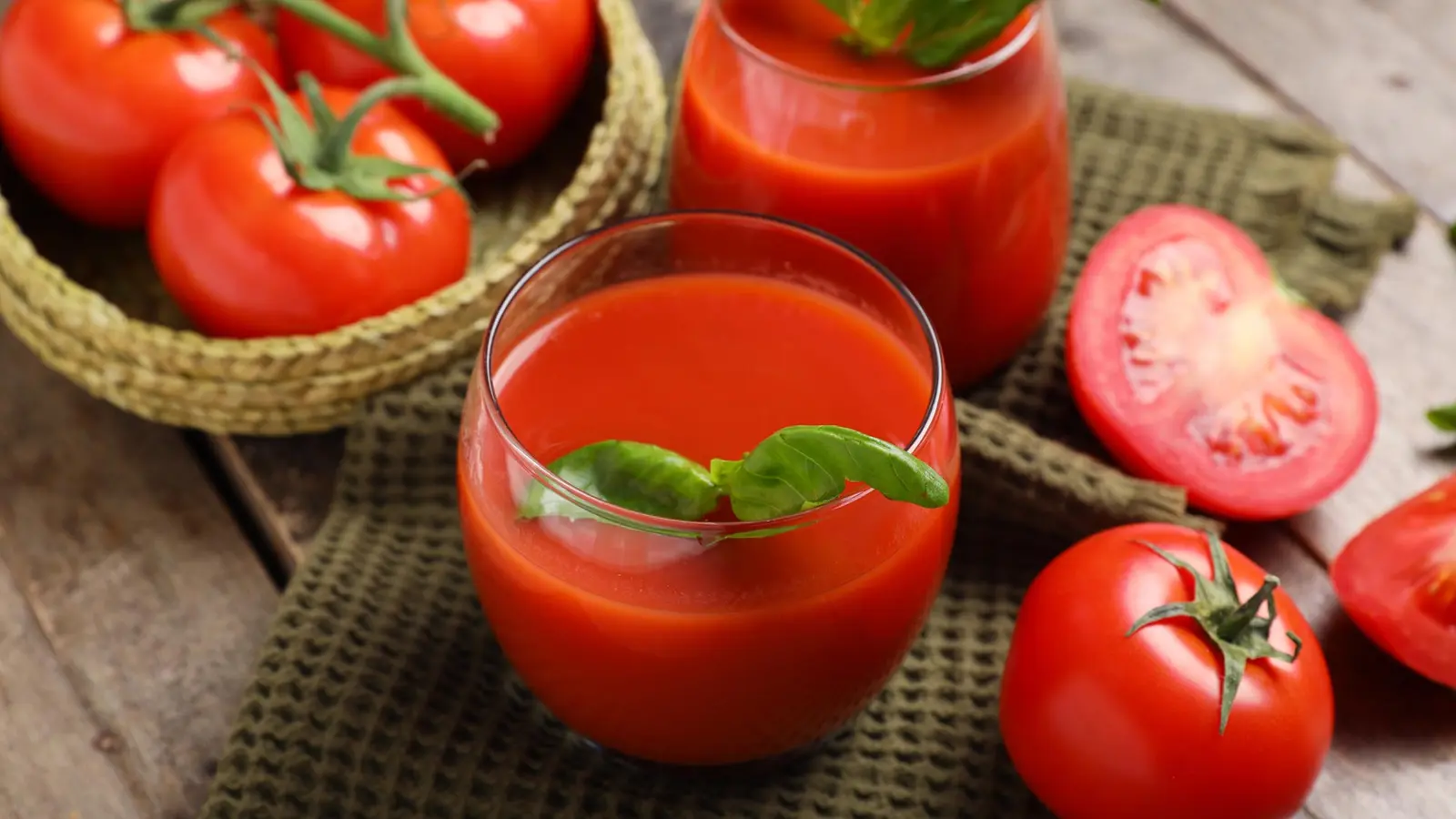
The beverage is not a fad. It was made from a high-lycopene tomato variety bred at Ohio State and fortified with concentrated soy isoflavones, two classes of phytochemicals that labs have long suggested can act as antioxidants and immune modulators. In a small, controlled human trial, adults with obesity drank two 6-ounce (177 mL) cans of this tomato-soy juice daily for four weeks, then — after a washout period — switched to a low-carotenoid control tomato juice for another month.
The standout result: following the tomato-soy period, blood levels of several inflammatory cytokines fell, notably interleukin-5, IL-12p70 and GM-CSF, with tumor necrosis factor-alpha showing a downward trend. Short sentence. Big implication.
Why does that matter? Chronic inflammation is a slow-burning contributor to heart disease, diabetes, some cancers and other long-term illnesses. Lowering circulating inflammatory proteins doesn’t cure disease, but it does point to a food-based way of shifting the biochemical conversation inside the body.

The study involved just 12 participants, so it’s early days. Still, the researchers combined standard blood tests with urine metabolite profiling, which revealed two overlapping stories: some changes were linked to tomatoes generally, while others—especially metabolites from soy isoflavones—appeared only after the fortified juice. In short, both ingredients left biochemical footprints.

Jessica Cooperstone, associate professor of horticulture and crop science and the study’s lead investigator, framed the work not as a quick fix but as a methodical attempt to test whether food can reliably modulate inflammation when evaluated in clinical settings. She and her team have already secured funding from the National Institute of Diabetes and Digestive and Kidney Diseases to test the same drink in a pilot trial for people with pancreatitis, a condition driven by painful and damaging inflammation.
There is precedent behind the idea. Earlier Ohio State research paired the tomato-soy formula with prostate cancer studies and reported lower prostate-specific antigen levels in some men. Animal experiments conducted by the team also showed that the juice reduced inflammation and the severity of chronic pancreatitis, helping justify human trials aimed at real patients rather than just lab markers.
At the molecular level, lycopene — the carotenoid that gives tomatoes their red hue — and soy isoflavones — plant flavonoids that can mimic certain estrogenic actions — are prime suspects. Both have been tied to antioxidant activity and modulation of immune pathways. But as the researchers emphasize, the intervention is more than the sum of two compounds: whole-food matrices, processing, and metabolism all shape the ultimate effects.
Methodological choices mattered here. The control was a low-carotenoid tomato juice rather than water, so the team could better isolate the contribution of concentrated lycopene and isoflavones against a tomato background. Blood was analyzed for cytokines before and after each trial period; urine samples were screened to map shifts in metabolite profiles. The patterns that emerged point to tangible biochemical changes after the tomato-soy phase that did not appear with the control.
Small trials are exploratory by nature. They generate questions as much as answers. Which metabolites drive the cytokine changes? Do effects persist beyond a month? Will the same shifts appear in people with active inflammatory disease, not just in those with obesity? The ongoing pancreatitis pilot seeks to answer some of those questions, measuring whether reduced inflammation translates to better symptom control and improved quality of life.
For readers wondering whether to reach for a can: this is promising evidence that targeted food interventions can move human biology in measurable ways. It’s not a miracle potion. But it is a reminder that diet remains a potent, testable lever for health — one worth studying with the same rigor we apply to drugs and devices.


Leave a Comment
Comments (2)
12 ppl only, cmon. Are those cytokine drops meaningful or just lab noise? Curious about duration, varied populations, and real symptom change
Wow, this actually sounds promising! Two small cans a day dropping ILs? If true, huge — but tiny sample, so gotta see bigger trials, pls