
4 Minutes
That browned banana at the back of the fruit bowl is not a moral failure. It is a tiny chemistry experiment, ripening on its own timetable. Some things go soft and sad; others quietly become dangerous. Knowing the difference saves money, spares a stomach ache, and keeps food waste from piling up.
Households throw away a lot. In Australia, for example, studies put household food waste at roughly 30% of purchases — about 2.5 million tonnes a year. With grocery bills climbing, people are stretching meals and taking calculated risks. A little practical knowledge helps you make better calculations.
Not everything that looks tired is unsafe. But some changes in texture, smell or appearance are reliable red flags. If you spot visible mould, a slimy surface, leaking liquid, or a strong sour or foul smell, throw it away. Those signs point to microbial growth that can cause foodborne illness: nausea, vomiting, diarrhoea and worse.

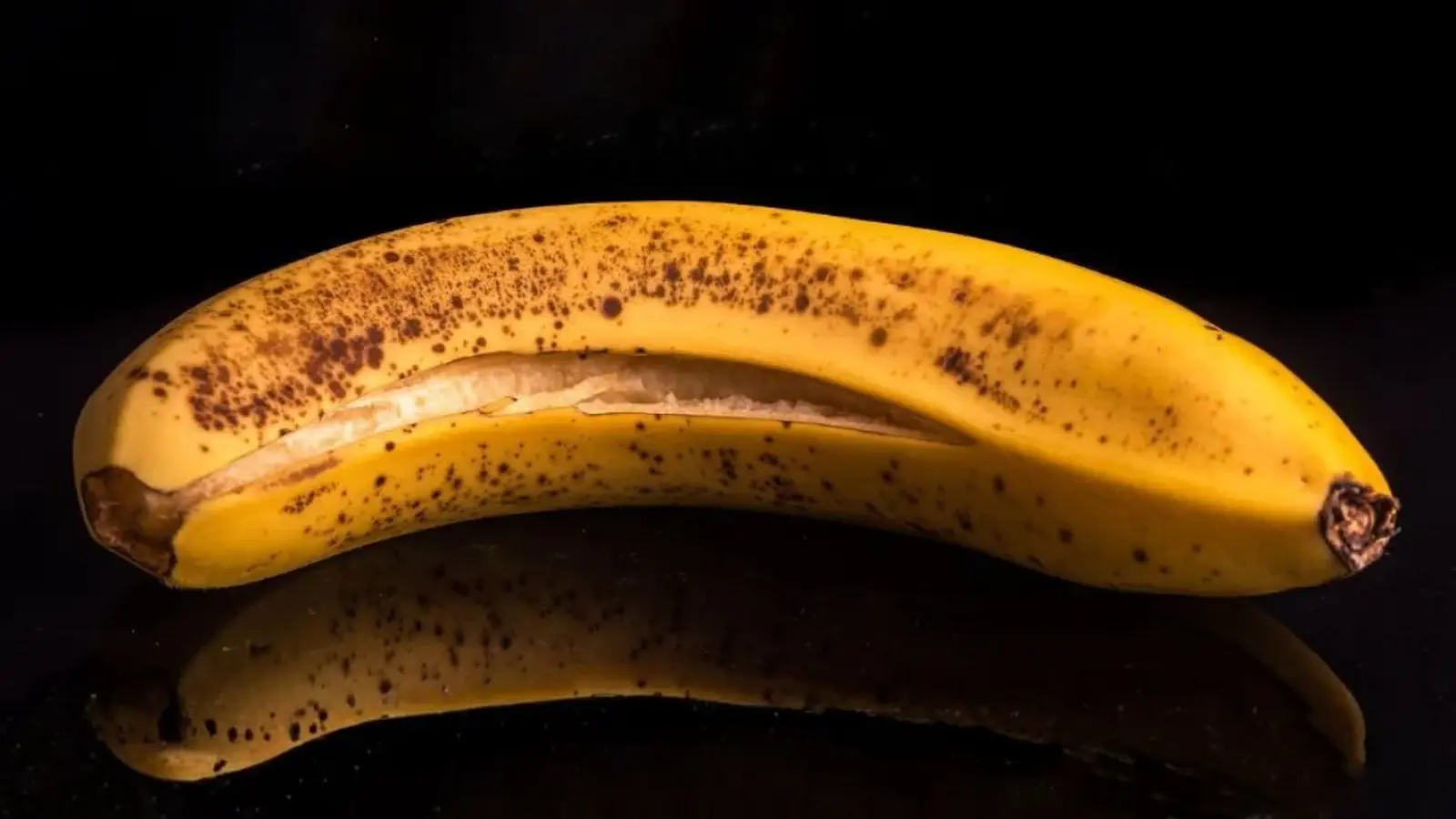
Other changes — wrinkling, browning, or dryness — are often only cosmetic, the harmless fading of freshness. A wrinkled apple still stews into a brilliant compote. A dark-spotted banana makes the best banana bread. But how you treat salvageable produce depends on what you’re dealing with.
Fruits have character. Bananas that turn brown are sweeter and perfect for baking or smoothies. Keep them separate from fresher fruit. Darker bananas emit ethylene gas, which accelerates ripening in nearby produce. Apples that have gone a little shrivelled are ideal for cooking; their texture softens and their sugars concentrate.
Mould on a firm, large fruit can sometimes be removed safely — cut out the affected area with a generous margin of a few centimetres and use the rest. Soft berries are different: mould spreads quickly through their fragile flesh, and the safest move is to discard them.
Citrus rinds toughen and dry, but the zest and juice remain useful in dressings, marinades or preserves. Think of that withered lemon as an ingredient rather than trash.
Vegetables tell similar stories. Floppy lettuce or limp carrots have lost water but not necessarily safety. Revive leafy greens by separating the leaves and soaking them in cold water for at least 30 minutes; they often perk up enough for a salad. Wilted root vegetables roast beautifully or blend into soups and sauces. Cut away bruises on hard vegetables like carrots, potatoes or pumpkin.

But beware potatoes that have turned green or sprouted heavily. The green tinge signals solanine, a natural toxin that can cause illness if consumed in large amounts. Remove small sprouts and green patches liberally, or discard the potato if the discolouration is extensive.

Mushrooms can look fuzzy when they age; that white fuzz is often mycelium, part of the mushroom itself, and not the same as dangerous mould. True mould on mushrooms tends to be patchy and vividly coloured — blue, green, yellow or grey — and warrants the bin.
Bread and other porous goods are breeding grounds for mould. If you see mould on bread or cake, don’t be tempted to cut around it — spores permeate porous textures and can make you sick. Stale but mould-free bread is salvageable: toast it, make croutons, or grind it into breadcrumbs. Store bread in a cool, dry place such as a cloth bag or bread box to slow mould growth.
Leftover cooked rice and pasta are fine for reuse if promptly chilled. Store them in the refrigerator within two hours of cooking and reheat until piping hot — at least 60°C — before eating. When using a microwave, stir frequently to avoid cold pockets where bacteria can survive. And toss any leftovers that have been left at room temperature for more than two hours.
Dairy deserves extra caution because milk, yogurt and soft cheeses are often eaten without another heat step. If a dairy product is past its use-by date, play it safe and discard it. Use clean utensils every time you dip into a shared container, and return it to the fridge quickly to prevent contamination.
Soft cheeses with visible mould should be thrown out entirely; mould roots can penetrate deep into soft curds. Hard cheeses are more forgiving: cut away the mould with a generous margin and rewrap the cheese in wax or baking paper, then store it in a sealed container to preserve flavour and slow moisture loss.
Simple habits make a big difference. Keep food cool, use clean utensils, separate produce that emits ethylene from more sensitive fruits, and be mindful of time at room temperature. When in doubt, trust your senses — and when your nose, eyes or touch scream 'no', it’s better to err on the side of caution.
Waste less. Eat well. And let a little science steer the choices on your plate.


Leave a Comment
Comments (2)
Is it really safe to nuke rice until 60C? Sounds right but my mum always warned about reheating. Also bananas in bread forever... banana bread weekend?
Seen this in the lab, cutting away mould on firm fruit often works, but soft berries go straight to bin. Handy, practical tips, gonna try the lemon zest trick.