
3 Minutes
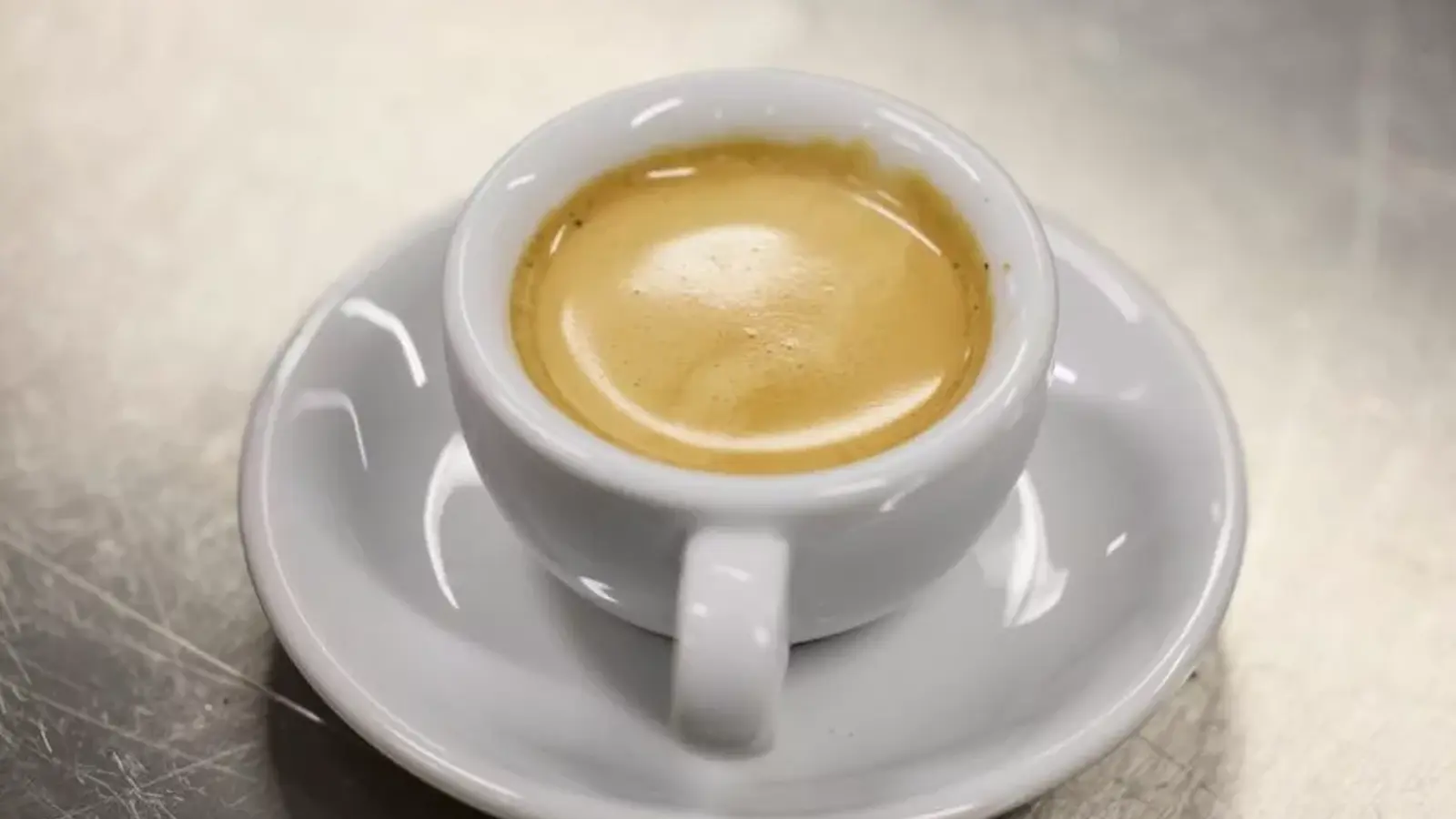
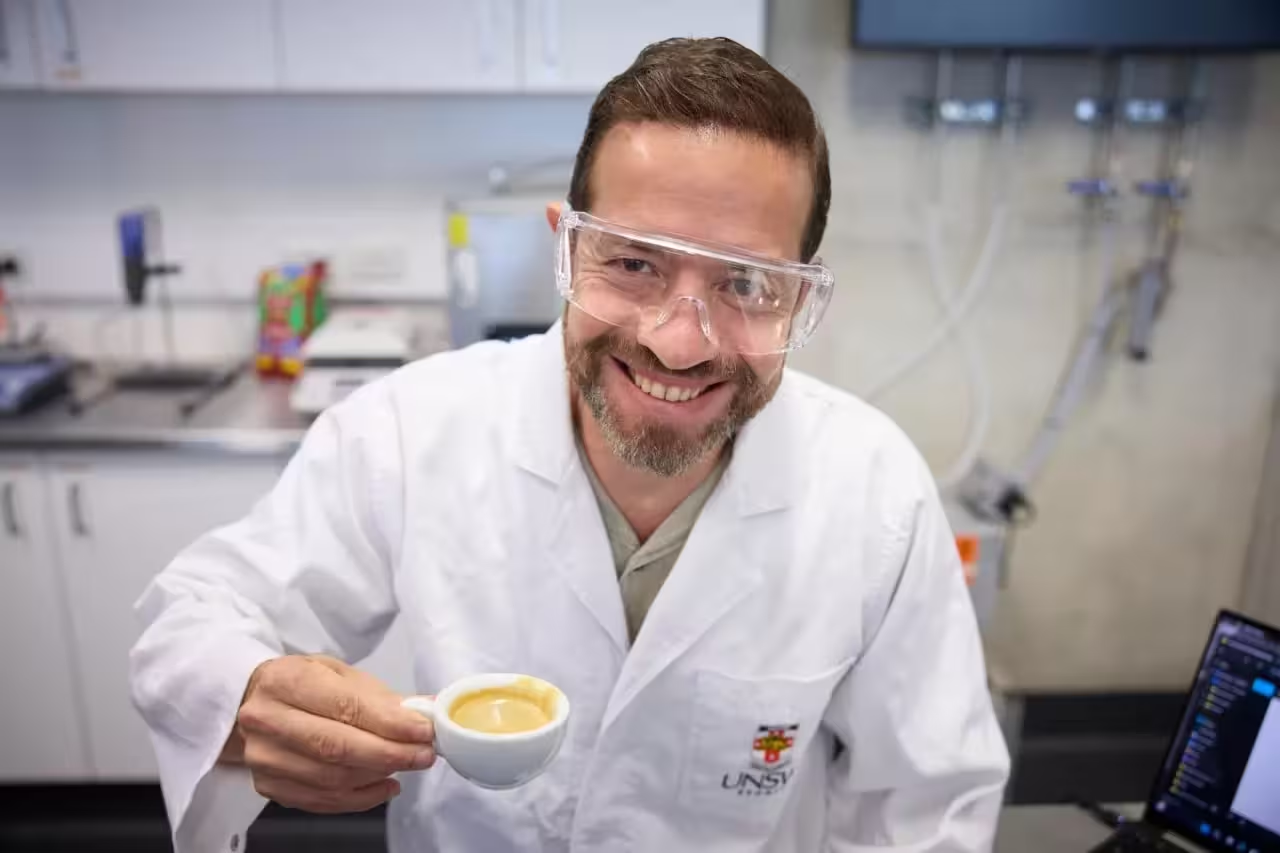
Imagine your morning espresso—thick, aromatic and done without boiling a drop of water. That is the image researchers at the University of New South Wales (UNSW) have pushed into reality. Led by Dr. Francisco Trujillo, the team unveiled an ultrasonic brewing technique that swaps heat for high-frequency vibrations, cutting energy use by as much as 75 percent.
The trick is deceptively simple in concept and fiendishly clever in practice. A small metal transducer presses against the coffee basket and bathes the puck and water in ultrasonic waves. The vibrations set up a phenomenon called acoustic cavitation: microscopic bubbles that form and violently collapse, battering coffee particles and rupturing cell walls. Flavors, oils and caffeine escape far faster than they normally would at room temperature, yielding a concentrated, rich shot in under three minutes.

"We call it ultrasonic espresso. This process is different, but you get the same concentration and richness in under three minutes."
The findings, published in the Journal of Food Engineering, include a sensory trial that reads like a careful kitchen experiment. One hundred everyday coffee drinkers—people who sip espresso regularly but aren't trained tasters—sampled four brews in randomized order: traditional espresso, ultrasonic espresso, conventionally filtered coffee, and ultrasonically brewed filtered coffee. Each sample was served fresh, cooled to the same temperature, and scored on aroma, flavor, bitterness and overall liking using a nine-point scale.
For espresso shots, the verdict was striking: tasters could not reliably tell the ultrasonic and traditional shots apart, and ratings across aroma and flavor showed no statistically significant differences. In other words, a room-temperature brew mimicked the sensory profile of a hot extraction. The filtered coffees told a slightly different story—ultrasonic-filtered brews tended to score higher for a pleasant bitterness that many participants liked.
From an engineering standpoint the payoff is obvious. Heating water is one of the biggest energy draws in conventional coffee machines. Remove that step and you've already slashed consumption. Add a transducer that accelerates extraction through cavitation, and the math starts to look compelling for both households and larger producers. The UNSW team points out that the same transducer system could be integrated into automatic home machines, but the largest market could be commercial operations where energy and throughput matter most.
There are still questions to answer. How will long-term scaling affect grind size, puck distribution and machine maintenance? Will espresso purists accept a shot that was never near boiling water? And what are the implications for other beverage processes that rely on heat for extraction?
One thing is clear: this is not just a novelty. It reframes extraction physics for coffee and suggests we might be able to rethink other kitchen rituals that default to heat. If a classic cup can be pulled with vibrations instead of flame, the next invention may already be vibrating on someone’s bench.


Leave a Comment
Comments
No comments yet. Be the first.