
3 Minutes
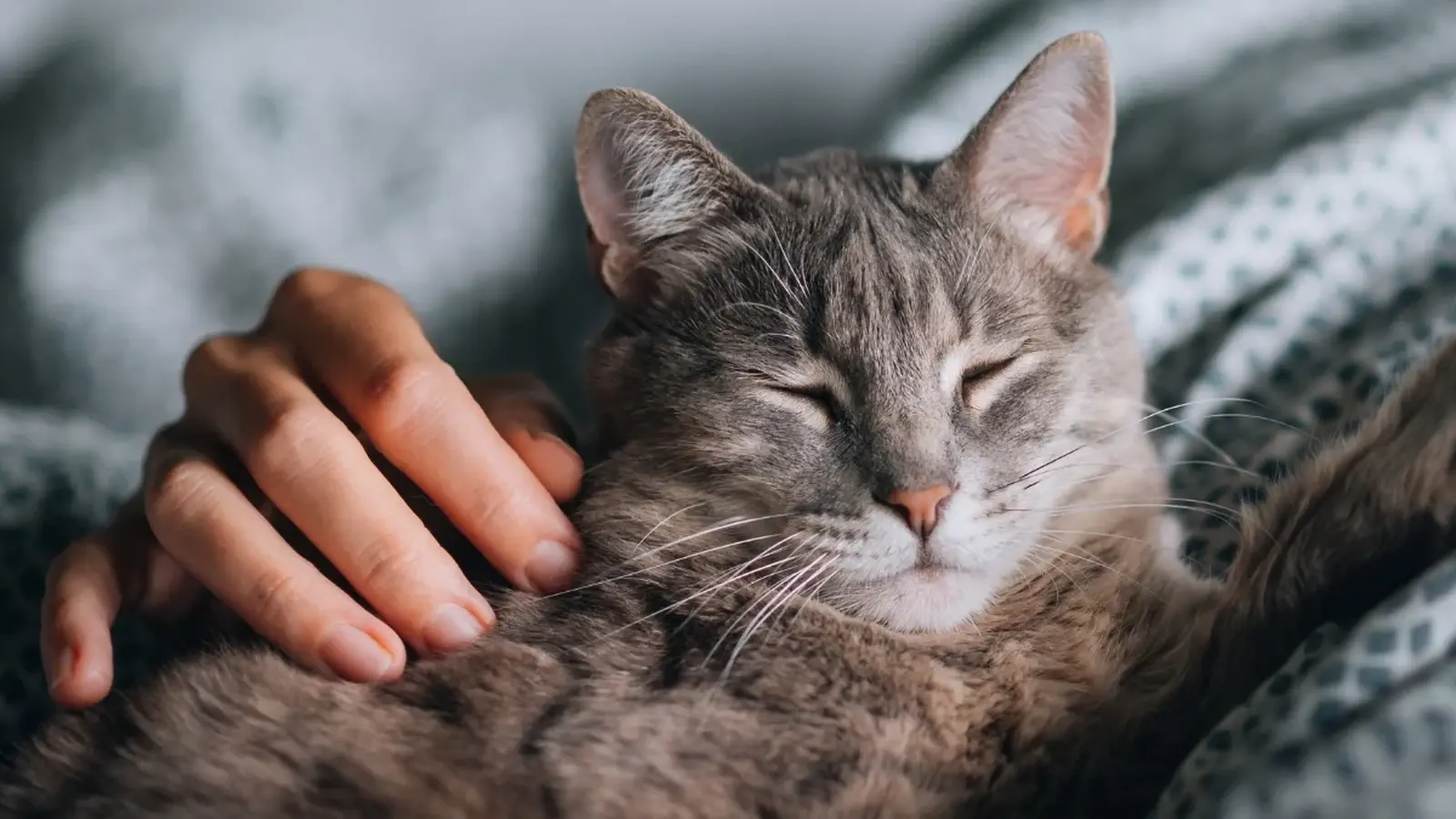
Picture this: you come home frazzled after a long day, expecting the familiar balm of a purring cat to melt the tension away. Instead, the interaction—petting, coaxing, or even a demanding meow—seems to amplify your irritation. Strange? Not according to a recent behavioral study.
Researchers at the Open University in the Netherlands tracked the everyday emotional ups and downs of 188 pet owners using ecological momentary assessment, a method that prompts people several times a day to report how they feel and what they're doing. The team wanted to know whether spontaneous interactions with cats and dogs actually buffer stress in the moment, or whether the calming-pet stereotype is more myth than mechanism.
The headline finding cuts through the feel-good stories: intense moments with cats sometimes made stressed owners feel worse. Interactions that were more involved—stroking, trying to soothe, or otherwise engaging intensively—correlated with a stronger link between stress and negative emotions for cat owners. Dogs, on the other hand, neither reliably eased stress nor made it worse in those split-second reports.
Why might cats behave, emotionally speaking, like a wild card? One idea is that many cat interactions are passive at baseline—sitting near you, dozing, simply being present. When owners suddenly ramp up engagement, the interaction becomes more emotionally charged and may not align with what a stressed person actually needs in that instant. In short: a more dramatic attempt to connect can backfire when the need is for quiet reassurance, not action.

That isn't to say pets are useless for our mental health. Across the board, the study found that time spent with both cats and dogs was associated with more positive feelings and fewer negative ones overall. Moments of companionship tended to brighten mood. So pets do lift emotional well-being—just not always by dousing acute stress spikes as they happen.
There are caveats worth flagging. The researchers recorded thousands of data points, but fewer cat owners participated than dog owners, which could shift patterns. Also, the study measured interaction intensity without distinguishing whether interactions were pleasant—like a cozy cuddle—or stressful—like chasing a squirming cat for a bath. That nuance matters.
Pets appear to boost general mood, but they don’t reliably act as a moment-to-moment stress extinguisher.
Broader evidence still supports benefits of pet ownership: other studies link long-term companionship to lower risk of cognitive decline in older adults and to social and routine advantages that help mental health. What this new work adds is a finer-grained look at emotional dynamics in real time, revealing that the comforting image of a pet instantly soothing stress needs refinement.
So what should a stressed owner do? Maybe skip the urgent escalate-to-cuddle approach and try quieter strategies—leaning into a pet’s calm presence rather than turning interaction intensity up a notch. And for scientists, the next step is obvious: separate type of contact from intensity, recruit more balanced samples of cat and dog owners, and ask whether pet personality or owner temperament determines whether contact helps or hinders in the heat of the moment.
In the meantime, enjoy the company. Pets help in many ways, even if they can’t always snuff out a sudden flare of stress on command.

Leave a Comment
Comments
No comments yet. Be the first.