
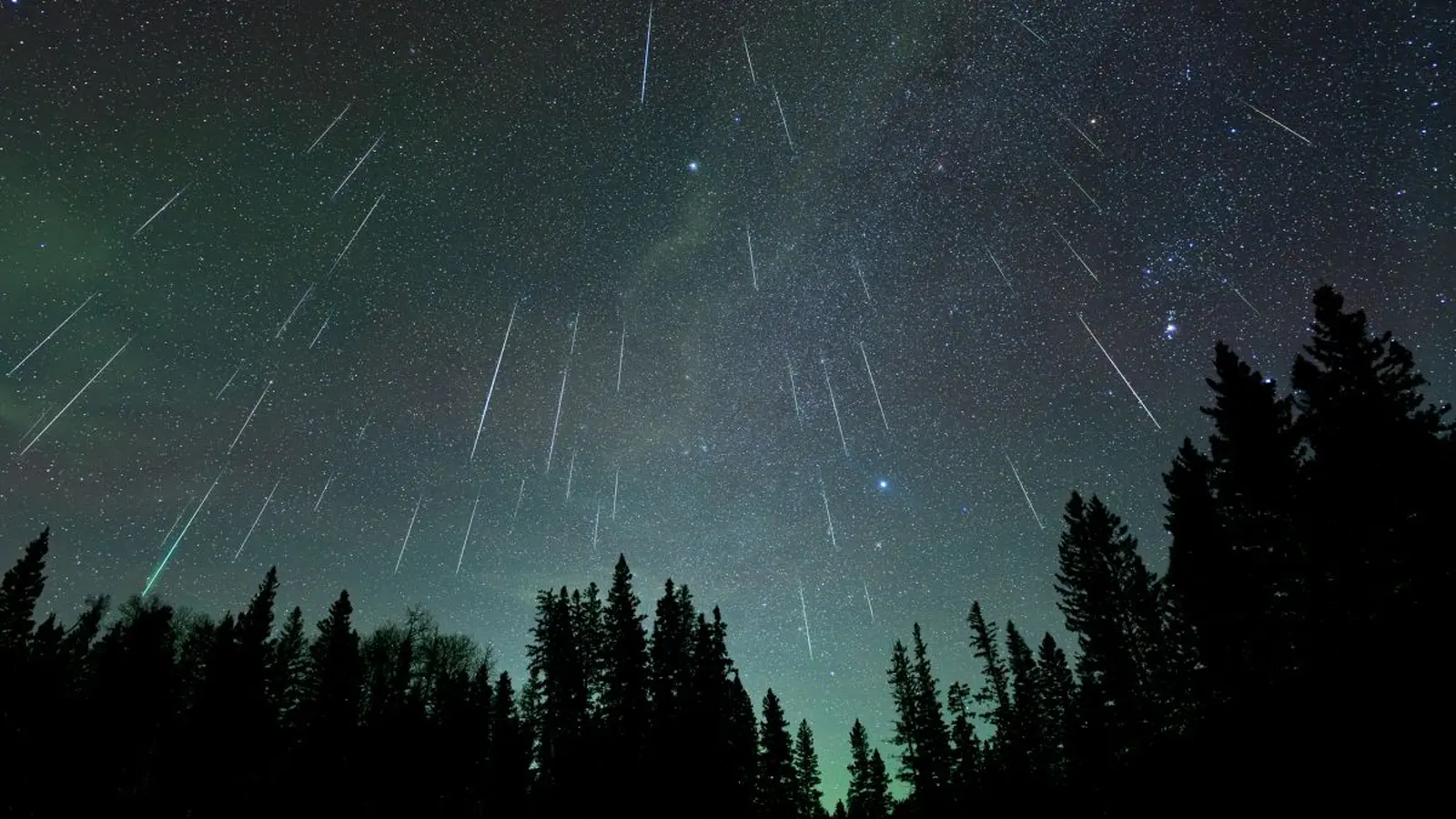
Picture specks of radioactive stardust trickling through space and settling into the Pacific deep. Small, invisible, and oddly persistent. That is the image emerging from a new study that traces plutonium atoms embedded in ocean-floor crust back to a rare cosmic blast hundreds of millions of years ago.
Physicist Dominik Koll and colleagues at Helmholtz-Zentrum Dresden-Rossendorf followed isotopic breadcrumbs in a ferromanganese crust dredged from 4,830 meters beneath the Pacific in 1976. The crust compounds like tree rings, layer by layer, storing particles that rained down from above. Among those particles the team found signatures of plutonium-244, a heavyweight element that cannot be explained by ordinary Earthly chemistry.
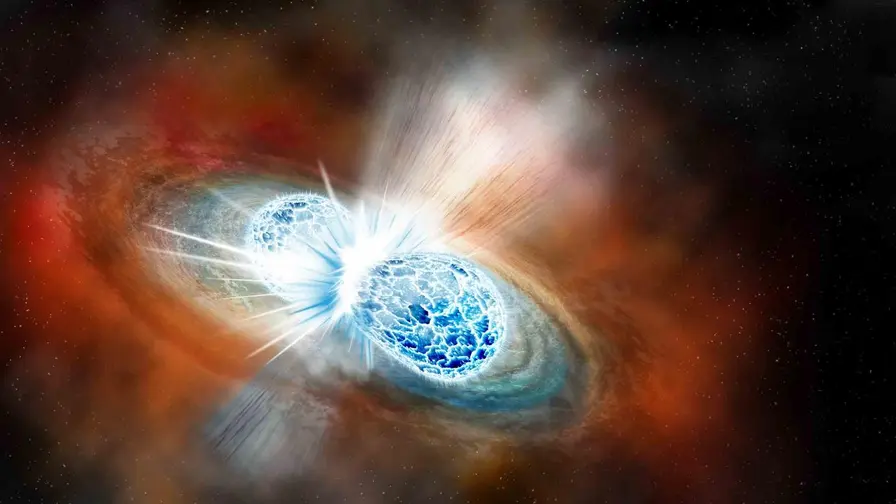
Plutonium-244 is a product of the r-process, the rapid neutron-capture sequence that builds the Universe's heaviest elements. Sites that can host this furious atomic assembly are few: colliding neutron stars, the kilonova explosions they trigger, or extraordinarily energetic supernovae. Whatever forged the plutonium in this case must have been rare and powerful.
Here is the twist. Plutonium-244 has a half-life of roughly 81 million years. Any primordial plutonium left over from Solar System formation should have long since vanished. So the presence of Pu-244 in modern seafloor layers tells a simple story: the material arrived after Earth formed. But when?

Past work estimated the timing by calculating how much plutonium made it to the crust and working backward to the explosion's distance and age, concluding an event just a few million years ago. Koll's group chose a different tack. Instead of relying on absolute quantities of Pu-244 alone, they looked for companion isotopes that would have been forged in the same r-process fire.
In particular they searched for curium-247 and the cosmogenic iron isotope iron-60. Curium-247 decays with a half-life of about 16 million years, while iron-60 lives only about 2.6 million years. Iron-60 has been seen before and linked to supernova debris reaching Earth a few million years ago. If the recent plutonium had come from those same explosions, traces of curium should still be present.
They found iron-60, consistent with the fingerprint of conventional nearby supernovae, but no convincing curium-247. That absence changes the narrative. It implies the plutonium did not arrive in the same recent blasts that delivered iron-60. Instead, the plutonium appears to be the residue of an older r-process event whose shorter-lived companions have long since decayed away.

The simplest reading: the plutonium-244 stems from a rare r-process explosion more than 100 million years ago, with a kilonova among the leading suspects.
Scientists are cautious about pinning down a precise date. If the event had occurred more than about one billion years ago, even plutonium-244 would have faded below detectability. So the likely window is broad: ancient on human timescales, but not so ancient that all traces are gone. The debris from that explosion has since mixed into the interstellar medium, and Earth now crosses through that diluted echo.
Why this matters extends beyond a neat cosmic detective story. These traces are a new kind of archive, a way to read the Milky Way's explosion history and to map the route our Solar System has taken through shifting clouds of stellar debris. They also matter for origin stories on Earth: heavy elements in our planet's crust ultimately came from such violent events, and knowing when and where helps piece together a deeper geological and astrophysical context.
Did that ancient blast nudge biological history on our planet? The researchers say that question remains open. For now, we have a striking reminder that the cosmos is not only a backdrop but an ongoing actor in Earth's story, sprinkling relics of ancient cataclysms across the sea floor for scientists to find.

Leave a Comment
Comments (2)
Is this even reliable? dredged crust from 1976, signal faint, could contamination or measurement bias explain Pu-244? curious but cautious.
Whoa, radioactive stardust in the Pacific? mind blown... ancient kilonova left traces, could've nudged evolution? wild stuff, so cosmic.