
3 Minutes
Ever noticed how a vigorous lap leaves you calm and oddly powerful at the same time? It turns out the pool may be doing something more than improving your breath. New experimental work from Brazil suggests that, while swimming and running raise fitness similarly, swimming nudges the heart along a different—and perhaps more beneficial—biological path.
Scientists at the Federal University of São Paulo trained mice for eight weeks, pushing them through hour-long sessions five days a week. Rather than comparing raw speed, researchers matched effort by measuring VO₂ max, the gold-standard metric of how well the body consumes oxygen. The result: both swimmers and runners improved aerobic capacity by roughly the same margin. But then the story diverged.
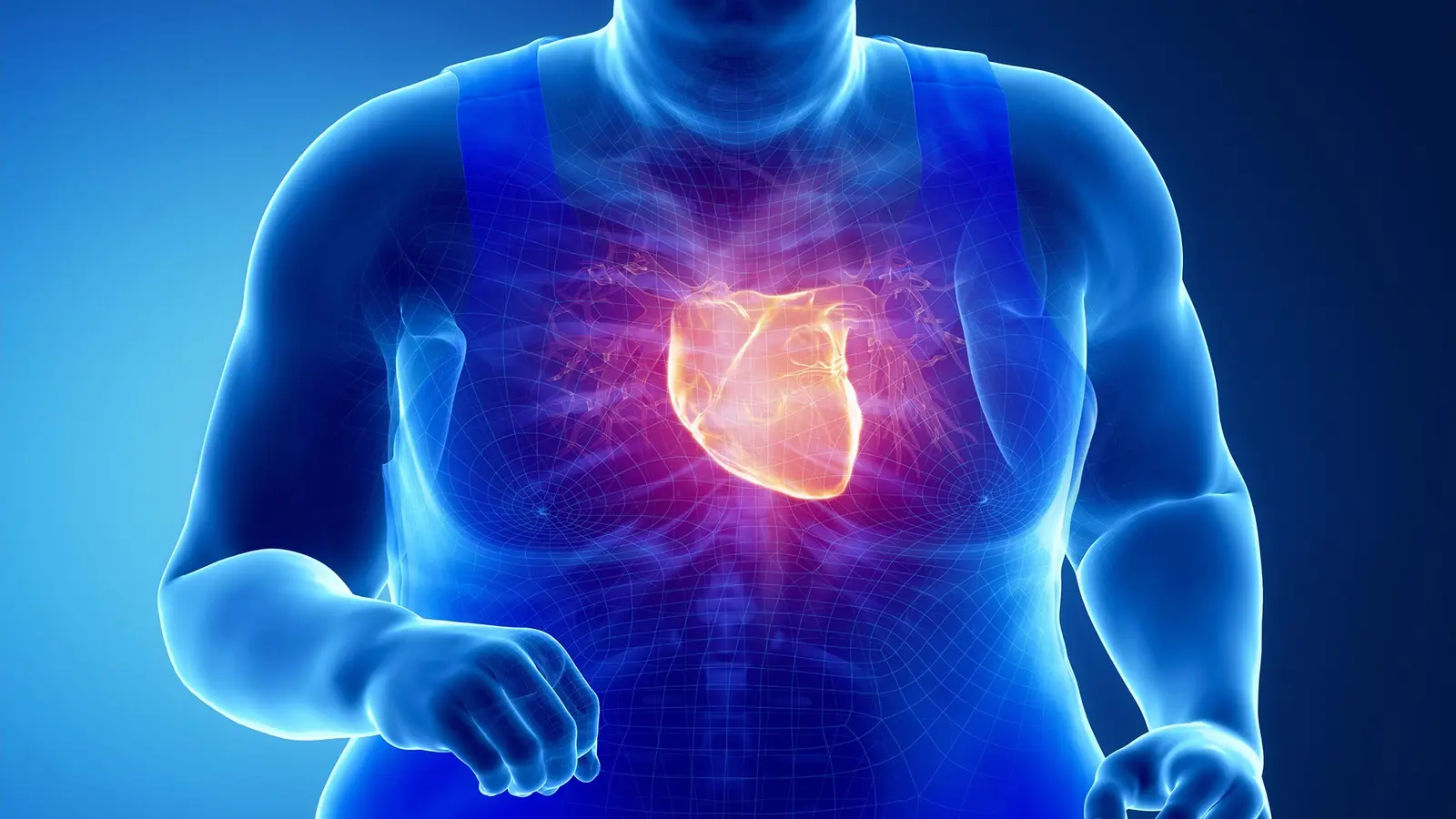
Swimming produced clear changes in heart anatomy. Overall heart mass and left ventricular mass grew in the swimmers, and the myocardium became capable of stronger contractions. Running, by contrast, improved endurance without producing those same structural shifts. In short: both activities made the animals fitter, but swimming remodeled the heart more visibly.
What explains that remodeling? The team dug into the cell’s instruction manual—gene expression and tiny regulatory molecules called microRNAs, which act like molecular dials that tune protein production. Swimming altered a suite of microRNAs linked to healthy cardiac growth, formation of new blood vessels, protection from cell death, contractile regulation, and defenses against oxidative damage. Many of these changes were stronger in swimmers than in runners.

MicroRNAs are subtle but powerful. They don’t code for proteins themselves; they tweak which proteins get made and how much. Imagine microRNAs as traffic lights at intersections of biochemical pathways: a red, yellow or green at the right moment can shift the entire flow. In this study, the traffic pattern produced by swimming favored pathways associated with physiological cardiac hypertrophy—the desirable kind of heart enlargement that comes from exercise rather than disease.
Why might water produce a different molecular signature than land-based exercise? The researchers note several plausible factors. Immersion alters blood distribution and venous return, changing the workload on the heart; resistance from water creates a different mechanical stimulus; breathing patterns differ between swimming and running. Any of these could send distinct signals to the cells that govern growth and repair.
There’s a practical side to this lab finding. If swimming preferentially promotes heart muscle growth and contractile strength, it could be especially relevant for cardiac rehabilitation and recovery after injury. It also matters for researchers: many exercise studies treat aerobic training as a single category, lumping running and swimming together. This work argues against that one-size-fits-all approach.
Of course, a note of caution is necessary. The experiment used mice, and animal models are powerful but imperfect mirrors of human biology. How these molecular shifts translate into long-term clinical outcomes in people remains to be tested. Still, the consistency of structural, functional, and microRNA changes in the swimming group makes a persuasive case that exercise modality influences the heart in more nuanced ways than previously appreciated.
For the casual exerciser the takeaway isn’t a mandate to abandon running. Personal preference, joint health, and accessibility should guide activity choice. But if you’re thinking about targeted cardiac benefits or designing research that probes heart adaptation, the medium matters. The water, it seems, speaks to the heart in a language the land does not.
Swimming and running both build fitness—but swimming appears to trigger distinct molecular and structural heart adaptations that may favor stronger, more resilient myocardium.
So next time you weigh a treadmill run against a swim, consider the quiet persuasion of hydrostatic pressure and rhythmic strokes; your heart might prefer the conversation under the surface.












Leave a Comment
Comments (2)
Is this even true for people tho? mice studies neat but translation rarely direct. if that's real then...
wow, swimming talks to the heart huh? never thought water could change genes like that. cool but kinda wild, lol