
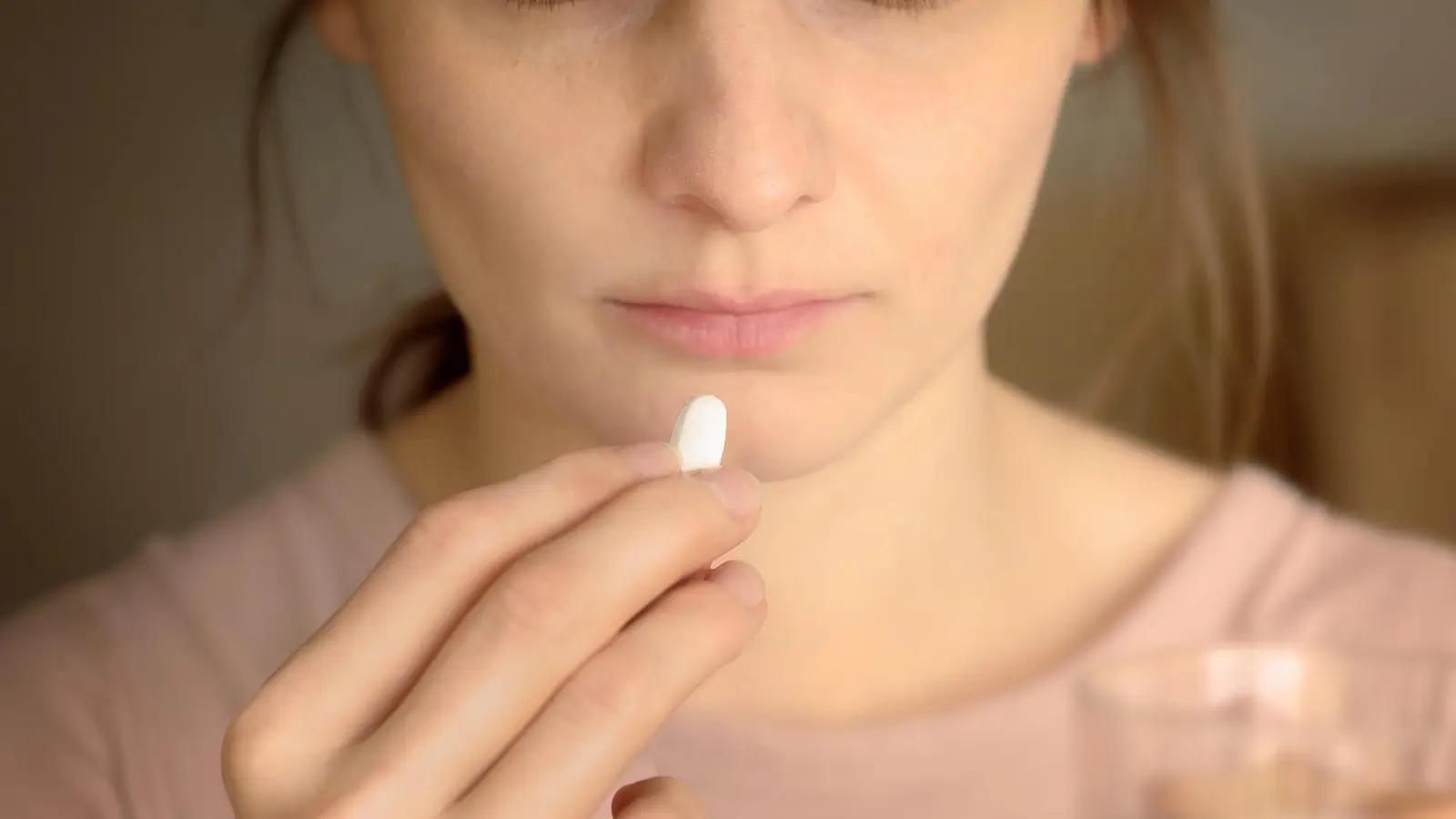
Imagine reaching for a probiotic capsule and, along with your morning coffee, nudging the chemistry of your brain toward better days. It sounds simple. But a small new clinical trial from India suggests that for some older adults on antidepressants, adding a daily probiotic produced notably greater relief from depressive and anxious symptoms than a placebo did.
Researchers enrolled 58 people aged 60 and above who were living with moderate depression. Each participant continued their prescribed antidepressant treatment, but half also took a probiotic pill every day for 12 weeks while the other half received a visually identical placebo. Everyone was monitored for another 12 weeks afterward. The probiotic blend contained two well-studied strains: Lactobacillus helveticus and Bifidobacterium longum.
Both groups improved over the six-month period — a reminder that sustained medical care matters. But the probiotic group consistently registered lower scores on standard depression and anxiety scales. The differences were not dramatic, yet they were persistent enough to make scientists sit up and take notice.

What might explain the shift? The team measured biological markers along with symptoms. Participants taking the probiotic showed higher levels of brain-derived neurotrophic factor, or BDNF, a protein tied to neuronal growth and resilience and often linked to recovery from depression. The researchers also documented a robust increase in the probiotic strains in stool samples, confirming the supplements altered the gut microbiome.
Still, the effects were selective. Quality of life measures and cognitive tests showed little to no change. And the trial had limitations: small sample size, a fairly high dropout rate, and the pilot design means the results are preliminary. Mild digestive complaints — bloating, constipation, a sense of fullness — cropped up in a few people during the early weeks, but no serious psychiatric side effects were reported.
Depression in later life can be stubborn. Antidepressants help many, but often leave residual symptoms that sap wellbeing. Could a low‑risk adjunct like a probiotic shrink that gap? The Indian team, led in part by Dr. Saibal Das of the Indian Council of Medical Research National Institute for Research in Bacterial Infections and physician-neuroscientist Abhinaba Ghosh of Tata Medical Center, think it's worth another look. “The results of our study are novel, and we are now planning a follow-up, larger-scale clinical trial due to the encouraging findings,” Dr. Das said. Dr. Ghosh added that the hope is to develop affordable interventions that can reach larger populations.
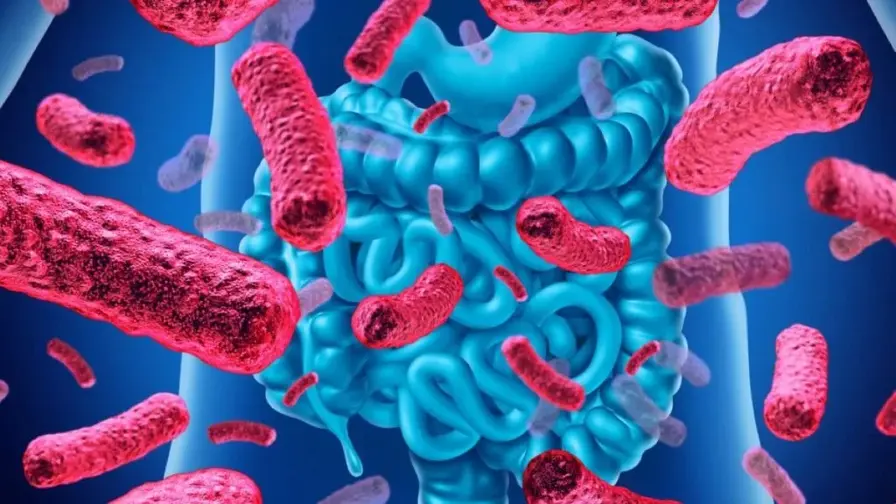
From a mechanistic angle, this study reinforces one idea gaining traction in neuroscience: the gut and brain are in dialog. Bacteria in the gut can influence inflammation, neurotransmitter precursors, and immune signaling — all pathways implicated in mood disorders. Shift the microbial community and you may shift those signals. It’s not magic. It’s biology. But it’s also complicated; changing one piece of the system does not guarantee a global reset.
So where does this leave patients and clinicians? For now, probiotics look like a potentially helpful add-on rather than a replacement for conventional therapy. Larger, longer trials will be needed to confirm benefits, tease out which strains and doses matter most, and identify who is likely to respond. Researchers will also need to track long-term safety and cost-effectiveness if these supplements are to be recommended widely.
If nothing else, the trial offers a pragmatic reminder: small, low-risk steps can sometimes complement standard care in unexpected ways. And if the next studies bear out these early signals, a tiny capsule might become another tool in the toolbox for improving mental health in later life — quietly influencing the gut to help steady the mind.

Leave a Comment
Comments
No comments yet. Be the first.