
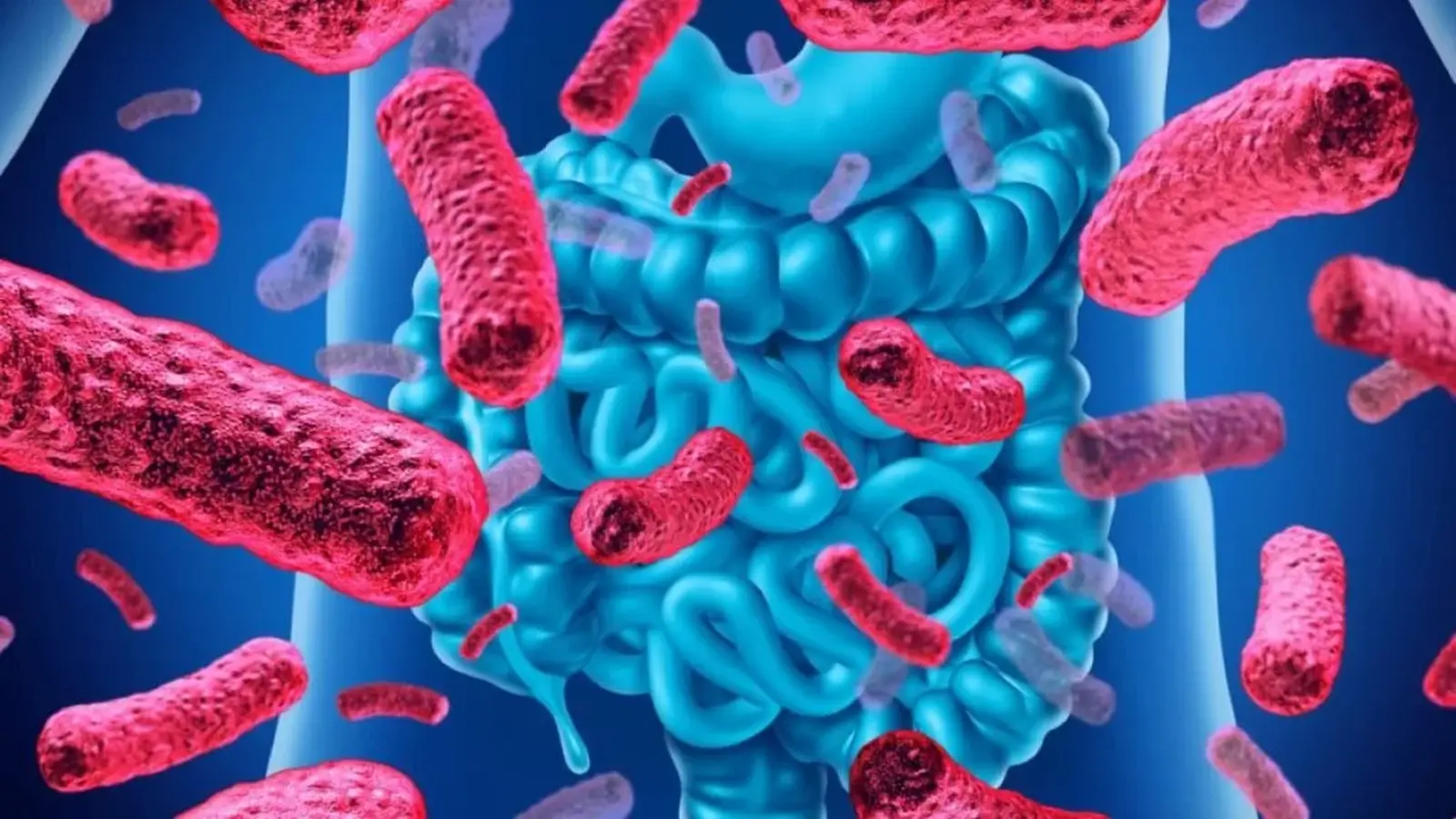
A new study suggests the composition of a child’s gut microbiome in early life may predict emotional problems later in childhood. Researchers found that specific groups of gut bacteria measured at age two were associated with higher risk of anxiety, depression, and other internalizing symptoms by school age — potentially through effects on brain circuits that regulate emotion.
How the study was done and what it found
Scientists used data from a long-term Singapore cohort that collected biological and brain imaging data from children. Stool samples taken at age two were analyzed for microbial composition, and the same children underwent MRI brain scans at age six. Researchers then examined links between early gut bacteria, later brain connectivity, and symptoms of internalizing disorders such as anxiety and depression in mid-childhood.
The findings, published in Nature Communications, showed that children whose gut flora had higher levels of bacteria from the Lachnospiraceae family and members of the Clostridia group were more likely to display internalizing symptoms later on. These microbial patterns were also associated with differences in brain networks related to emotional processing.
Why these microbes might influence emotion
Gut bacteria can interact with the nervous system through immune signaling, metabolite production, and the vagus nerve. In adults, some Lachnospiraceae and Clostridia members have been linked to stress responses and depressive symptoms. The new study suggests these microbes may shape the development of neural circuits involved in mood and anxiety during critical early-life windows.
Possible biological mechanisms
- Microbial metabolites (like short-chain fatty acids) can cross or signal across the gut-brain axis and influence brain development.
- Early immune activation triggered by certain microbes may alter synaptic pruning or connectivity in emotion-related brain regions.
- Stress-sensitive species could amplify physiological responses to adversity, increasing vulnerability to internalizing symptoms.
What this means for parents and researchers
These results do not prove causation, but they highlight the gut microbiome as an important factor for pediatric mental health research. According to the study's lead author, Bridget Callaghan, scientists now need to identify which specific species drive these associations. Once identified, relatively simple interventions — dietary changes, prebiotics, or probiotics — could be tested for their ability to modify the microbiome and reduce later emotional risk.
For clinicians and public-health practitioners, the study points to a new early-life target for prevention. Monitoring and understanding a child's gut microbiome might eventually complement psychosocial strategies when aiming to reduce the risk of anxiety and depression.
Next steps in research
Future work will need to replicate the findings in other populations, pinpoint causal species or strains, and run controlled trials of microbiome-directed interventions. Integrating microbiome profiling with genetics, diet histories, and environmental exposures will clarify who is most likely to benefit from early interventions.


Leave a Comment
Comments
No comments yet. Be the first.