
4 Minutes
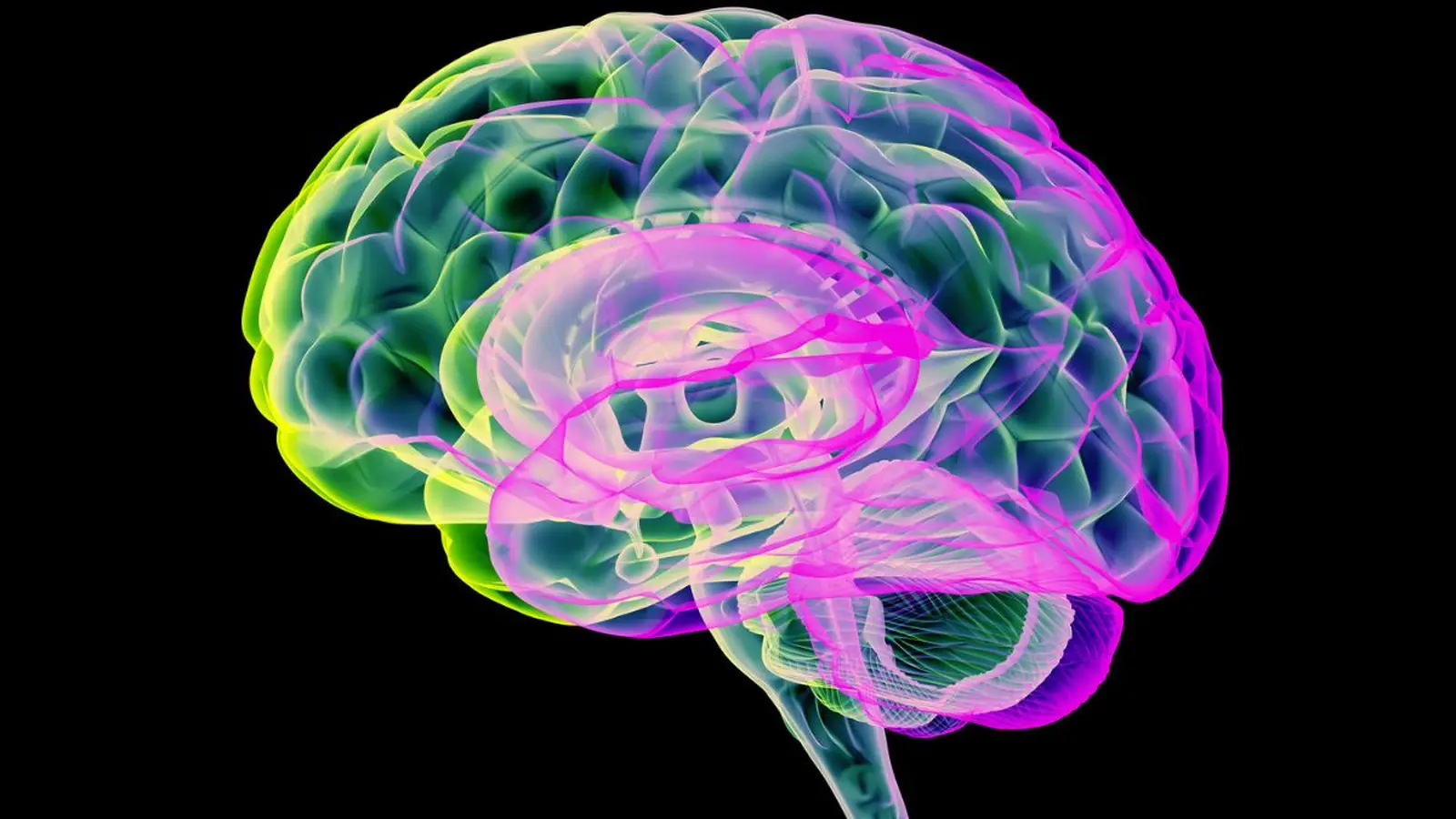
Imagine turning on the brain's drain for a few minutes and watching the sludge flow out. It sounds almost poetic. Yet a recent proof-of-concept study from the University of New Mexico and the Mind Research Network tested a startlingly simple trigger: brief, rhythmic increases in inhaled carbon dioxide. The result was not poetry but measurable shifts in the brain's cleansing circulation — the glymphatic system — that cleared molecular waste into the bloodstream.
How the team tested CO2-driven clearance
The experiment took two main forms. In the primary imaging study, 63 older adults — 30 diagnosed with Parkinson's disease — underwent MRI-BOLD monitoring while breathing cycles of slightly CO2-enriched air for about 35 seconds at a time, then returning to normal air. The intervention, called intermittent hypercapnia, produced short-lived elevations in blood CO2 that are known to dilate cerebral blood vessels. In a follow-up physiological trial with 10 participants (half with Parkinson's), subjects completed three ten-minute exposure blocks, and researchers sampled blood at roughly 45, 90 and 150 minutes afterward.
Both protocols aimed to probe a single idea: that pulsatile changes in vascular tone could mechanically encourage cerebrospinal fluid (CSF) motion along perivascular spaces — the pathways of the glymphatic system. MRI readouts showed altered CSF movement during the CO2 cycles. Meanwhile, post-session blood samples revealed increased levels of brain-derived waste products circulating in plasma, including a notable rise in amyloid-beta for one participant — a peptide closely linked to Alzheimer's pathology.
What the findings suggest about brain health
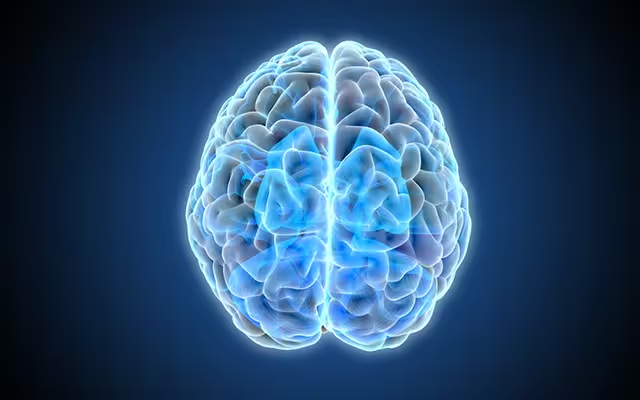
Short answer: breathing chemistry can influence the brain's housekeeping. The longer answer is messier and more intriguing. When blood CO2 climbs, blood vessels dilate. That dilation drives shifts in nearby CSF, much like a tide nudging debris along a shoreline. Sleep normally performs this clearing function; waves of CSF wash through the brain during deep sleep and carry away metabolic detritus. But people with Parkinson's commonly experience disrupted sleep and blunted cerebrovascular responsiveness, a combination that might let toxic, misfolded proteins accumulate.
The UNM team interprets their data cautiously. Intermittent hypercapnia produced repeatable increases in CSF flow and measurable transfer of neuronal peptides into the blood, but whether those shifts translate into long-term reductions in toxic buildup — or slower disease progression — remains unknown. Are these waste molecules active culprits in neurodegenerative disease, or merely bystanders? The study cannot answer that. It does, however, open a testable pathway: modulate respiration or vascular dynamics to assist the glymphatic pump.

Lead neuropsychologist Sephira Ryman described the thinking behind the approach as a creative leap: to recreate aspects of the sleep-associated clearing response while participants were awake. That pragmatic mindset matters because reliable, noninvasive interventions are easier to scale if they work outside of sleep.
Potential applications and next steps
Researchers are already asking practical questions. Can repeated sessions produce cumulative benefits? What is the optimal CO2 amplitude and timing to maximize clearance without side effects? Could behavioral practices that change breathing patterns — deep diaphragmatic breathing taught in yoga, tai chi or qigong — achieve similar mild hypercapnia and cerebrovascular effects? These investigations will need larger, longer clinical trials and careful safety monitoring before any therapy is proposed.
Beyond neurodegeneration, the study nudges open a broader scientific door: the interplay between respiration, vascular mechanics, and CNS waste management. If simple respiratory modulation can transiently boost glymphatic flow, this could inform wearable or clinic-based protocols that complement pharmacological approaches aimed at amyloid, alpha-synuclein and other pathological proteins.
Expert Insight
"We need to remain pragmatic and evidence-driven," says Dr. Mira Patel, a neurologist who was not involved in the study. "This is an elegant proof-of-concept: it shows the brain's clearance routes are responsive to physiological cues. The real test will be whether sustained interventions reduce clinical decline, not just transiently flush biomarkers into the blood."
Whether the next milestone is a new breathing therapy, a clinical device, or a deeper mechanistic model, the experiment has done what good science often does: it raises sharper questions and gives researchers a tangible lever to pull. The brain's sewage system is no longer entirely hidden; we now have at least one way to prod it awake.













Leave a Comment
Comments (2)
kind of wild, the idea of flushing brain gunk while awake. But feels a bit sci fi, need longer studies, still clever tho
Wait, how safe is breathing extra CO2? Sounds clever but could it have downsides long term... curious if repeated use harms vessels or sleep patterns