
4 Minutes
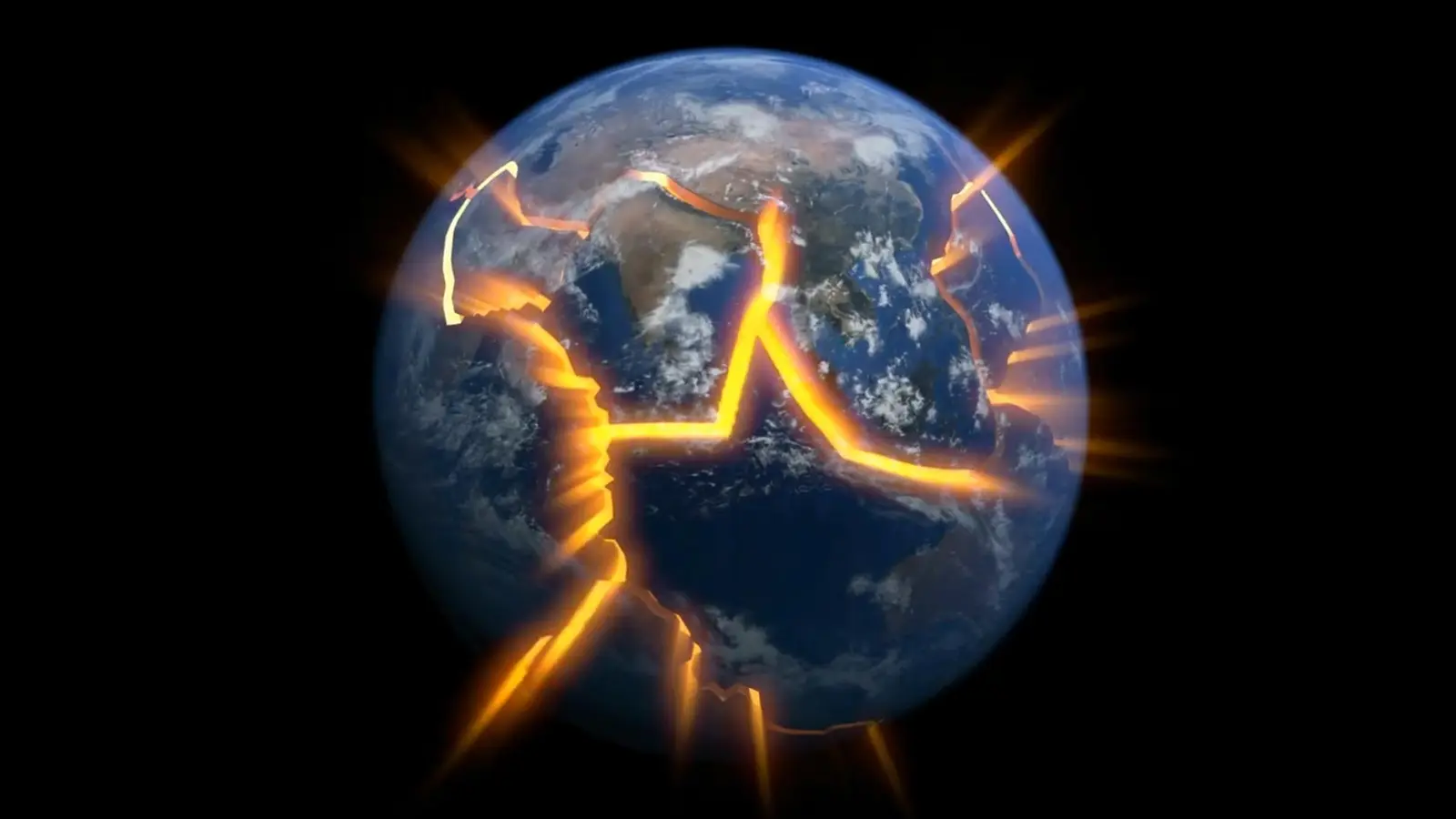
What happens when a piece of continental crust that should be fragile refuses to break? In northern Kenya and southern Ethiopia, researchers have found entire swaths of the East African Rift behaving like a stiff, unbending plate rather than the thin, weak material geologists expected. It’s not a mystery of today; it’s a memory written deep into the rock.
A long-buried event with long-lasting consequences
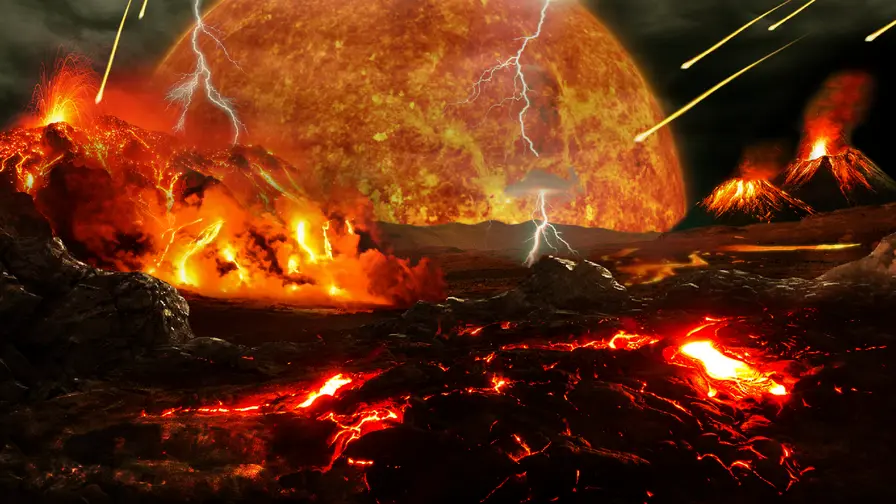
The culprit is ancient heating and the chemical changes it wrought roughly 80 million years ago. During a major thermal episode, deep layers of the African plate lost large amounts of volatile components—water and carbon dioxide—through melting and volcanic activity. That dehydration altered mineral structures, increasing density and rigidity. The result: parts of crust that had been stretched and thinned in the distant past now behave like a rigid block, deflecting the strain that would otherwise drive rifting and volcanism.
This is not merely a local curiosity. The study, led by researchers at Tulane University with collaborators from the University of Montana, Imperial College London, Addis Ababa University, the University of Nairobi, and Dedan Kimathi University, tracked how deformation is routed around the dryer, faster-velocity zones. Rather than ripping apart where the crust is already thin, faults and magma pathways preferentially develop where the lithosphere remains hydrated and mechanically weaker.
How scientists peered beneath the surface
To map the hidden architecture of the plate, the team combined dense earthquake monitoring with high-precision GPS measurements. Earthquakes outline where the crust is currently slipping; slow, continuous GPS motion reveals where strain accumulates. Integrating those records produces three-dimensional pictures of seismic velocity and deformation that illuminate which parts of the crust are accommodating motion and which are not.
“The team brought a wide range of skills and data sets to visualize the plate structure and its properties, and our modelling systematically eliminated the possible factors controlling where plate rifting initiates,” said Cynthia Ebinger, a Tulane professor in Earth and Environmental Sciences. Their models show active deformation steering clear of the old, thinned-and-dry stretch of lithosphere—a striking reversal of classical expectations that thinner crust should be where break-up begins.
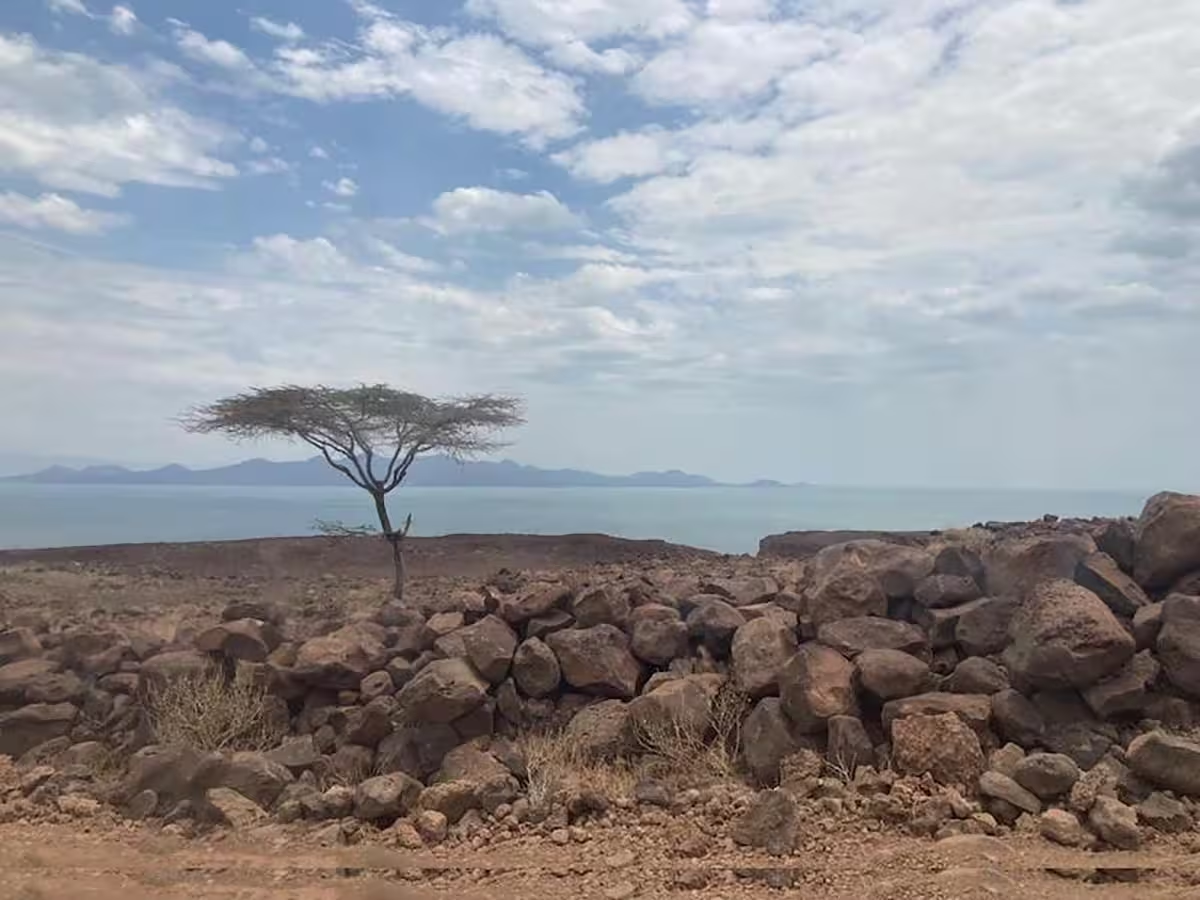
Lake Turkana, seen in the background in Kenya’s Rift Valley, sits within one of the most tectonically active regions on Earth. Tulane researchers studying the area discovered that parts of the crust here are stronger and more resistant to breaking apart than previously thought.

Why dehydration makes rock stronger
Water and CO2 act like lubricants in the deep crust and upper mantle: they lower melting points, weaken mineral grain boundaries, and allow rocks to deform more easily over geological time. Remove those volatiles and the rock’s behavior changes. Grains lock up, rheology stiffens, and seismic waves travel faster through that material—signatures the team observed across the Turkana Depression. In plain terms: dry rock bends less and snaps less readily.
That seeming paradox—thinned crust that resists break-up—is explained by the timing and chemistry of past events. When volcanism strips volatiles from a layer, that dehydration can persist for tens of millions of years, effectively inheriting resistance to future tectonic stresses. So a failed rift in the past can become a stubbornly rigid block today.
Implications for hazards and resources
This work reshapes how scientists assess where earthquakes, volcanism, and basin formation will occur in evolving rift systems. If deformation preferentially avoids dehydrated, rigid patches, hazard models must account for these invisible structural scars. Likewise, exploration for mineral and energy resources—often targeted in ancient rift basins—benefits from knowing which zones once lost volatiles and which retained them.
Martin Musila, whose PhD at Tulane examined this tectonic puzzle, summarized the mechanism succinctly: in the Turkana area, water and CO2 were drawn out by volcanism 80 million years ago; dehydration makes parts of the plate stronger and seismic velocities faster. That interplay of chemistry and mechanics is the thread connecting past events to present-day tectonics.
Expert Insight
"This study reminds us that tectonic plates remember their past," said Dr. Elena Vargas, a fictional tectonics specialist and science communicator. "Geology isn’t only about where rocks are now—it's about the processes that left fingerprints in mineral structures millions of years ago. Those fingerprints guide how the planet deforms today."
Looking forward, the team’s approach—pairing seismic imaging with continuous deformation monitoring—offers a template for investigating other rift systems worldwide. It also raises broader questions: how many supposed weak zones are really relics of ancient heat? And how might these invisible scars steer the next chapter of continental breakup?
Understanding the memory of Earth’s crust changes more than academic maps. It reframes hazard forecasts, resource assessments, and the basic story of how continents fall apart. The past is not dead; it is a tectonic instruction manual, written in stone and waiting to be read.










Leave a Comment
Comments (2)
Is dehydration really enough to halt break-up? feels a bit simplified, what about mantle flow, composition, tectonic stress etc, are those ruled out?
Wait... so the crust literally remembers ancient heat? mind blown. Imagine faults dodging dry patches, wild. How many other rifts are just echoes of old volcanism?