
2 Minutes
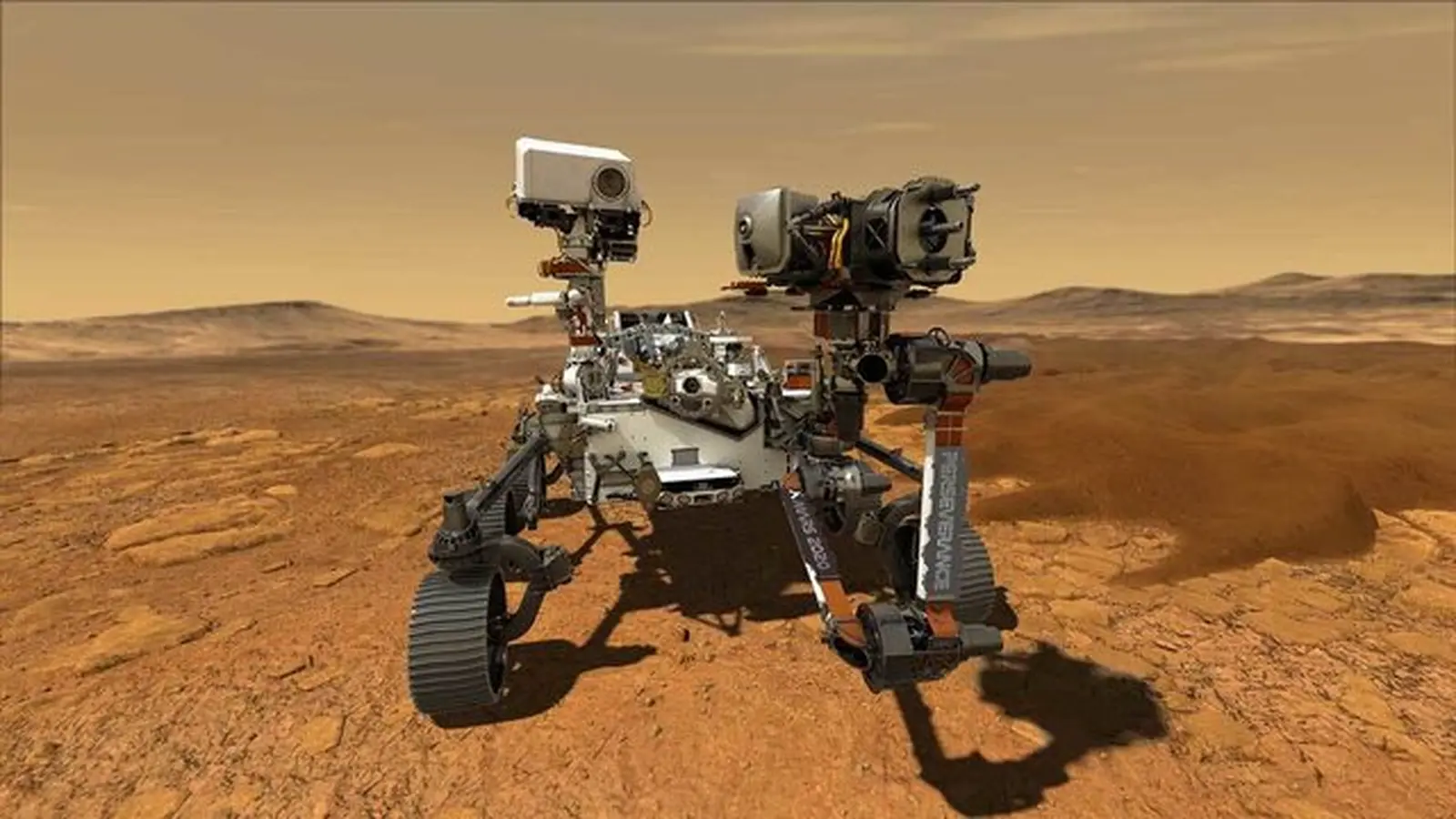
The first time a Mars rover followed a route drawn by a large AI model, it did so deliberately — not experimentally. Perseverance rolled across a rocky patch of Jezero with maps generated by an artificial intelligence system, proving that machine-designed routes can guide a six-wheeled explorer over real Martian ground.
How the AI planned the drive
Engineers at NASA’s Jet Propulsion Laboratory partnered with Anthropic to adapt Claude family models into a vision-language planning tool. The system combined orbital and rover imagery, elevation maps, and hazard annotations to judge terrain: bedrock fields, sand ripples, and steep slopes. Then it proposed safe paths — sequences of waypoints that avoid obvious risks while keeping goals on track.
The results were concrete. On sol 1707 Perseverance traversed about 210 meters using those AI-derived maps, and two sols later covered roughly 246 meters. No moment-to-moment joystick from Earth. Instead, the rover executed routes the model recommended after assessing the scene much like a cautious human would.
Testing, simulation and safeguards
Autonomy with checks. That’s how JPL described the rollout. Rather than sending model output straight to the rover, mission teams ran every AI-generated command through a digital twin of Perseverance on Earth. This virtual replica simulated more than 500,000 telemetry variables to verify the commands’ compatibility with the rover’s flight and mobility software. Only after rigorous validation were the final instructions uplinked to Mars.
The approach balances risk and reward. Autonomous path planning slashes operator workload and accelerates daily operations — a critical advantage when round-trip signal delays between Earth and Mars make real‑time control impossible. Humans still steer the strategic choices; AI fills the tactical gaps.
Why this matters for future missions
Consider a future mission where rovers explore rougher valleys or coordinate as swarms. The bottleneck today is latency and operator bandwidth. AI path planning does not replace engineers; it amplifies them. It lets vehicles react faster to local hazards and frees ground teams to focus on science, not micromanagement.
This demonstration marks a practical step toward more autonomous surface operations, where machine reasoning and human oversight work together to expand what robotic explorers can do.
Questions remain. How will models handle novel terrains? How will teams certify AI decisions for missions with higher stakes? Yet the Perseverance drives show a clear trajectory: smarter autonomy is moving from lab demos into routine mission tools, reshaping exploration one sol at a time.







Leave a Comment
Comments
No comments yet. Be the first.