
3 Minutes
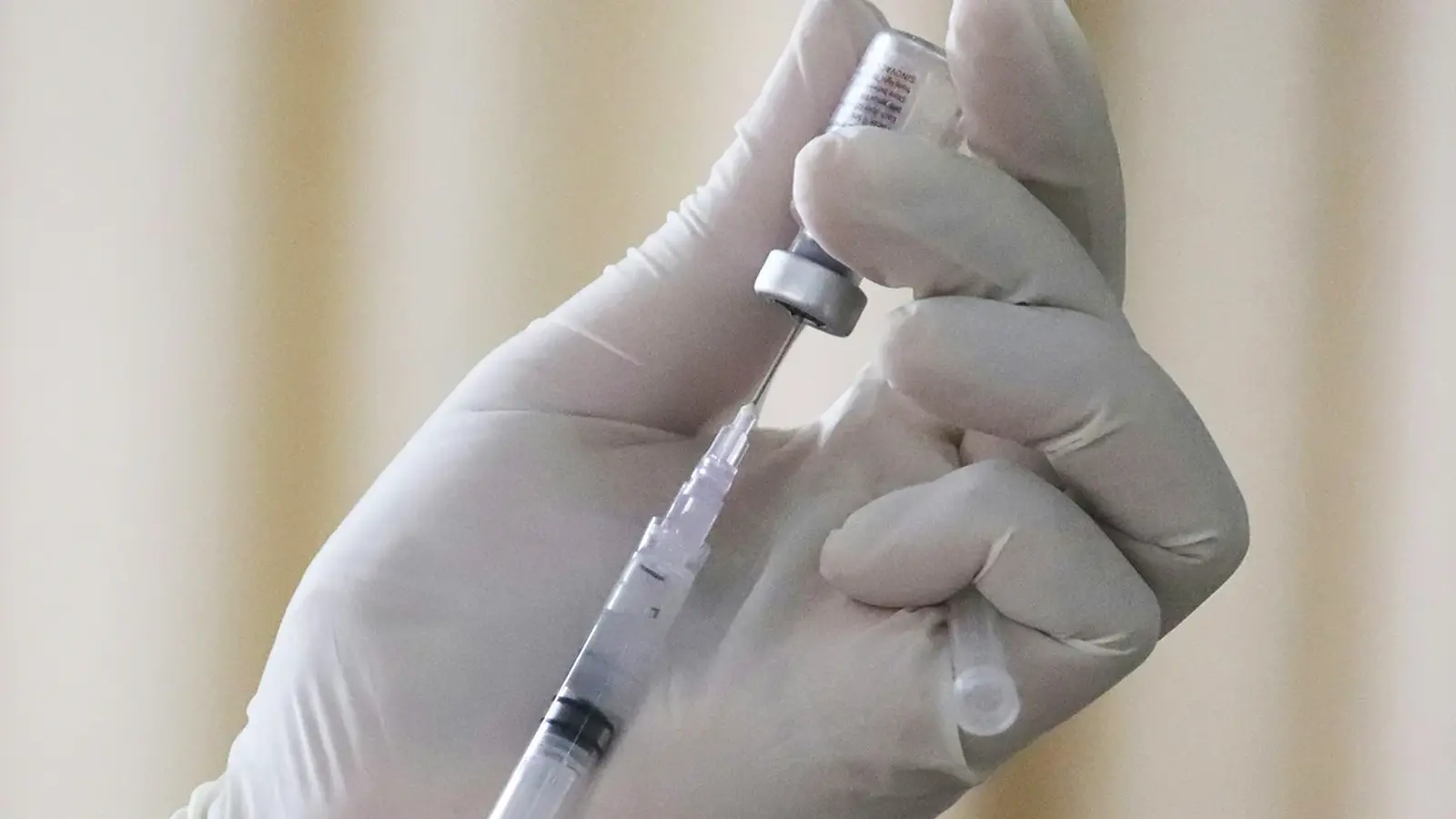
They walked through the nursing home doors and, within a year, some residents received a shingles shot. What happened next surprised even seasoned clinicians: those who got the newer Shingrix vaccine were less likely to be diagnosed with dementia over the following four years.
Researchers from Brown University analyzed health records for 509,926 people admitted to skilled nursing facilities between January 2017 and December 2022, a cohort chosen precisely because admission marks a clear clinical checkpoint. The team compared outcomes for residents who received a Shingrix dose within 12 months of admission and those who did not. The result was striking: 18.8% of vaccinated residents developed dementia during the follow-up period, versus 24.6% of unvaccinated residents — a 24% relative reduction in dementia incidence.
In practical terms, the authors estimate that about one in 17 dementia cases among this population might be prevented if more people received the vaccine.
Shingrix, produced by GlaxoSmithKline (GSK), replaced the older Zostavax vaccine in many countries because it provides stronger and longer-lasting protection against shingles. Previous research hinted that Zostavax could lower dementia risk, too. This new, large-scale observational study extends that pattern to Shingrix and adds weight to the idea that shingles vaccination and brain health may be linked.
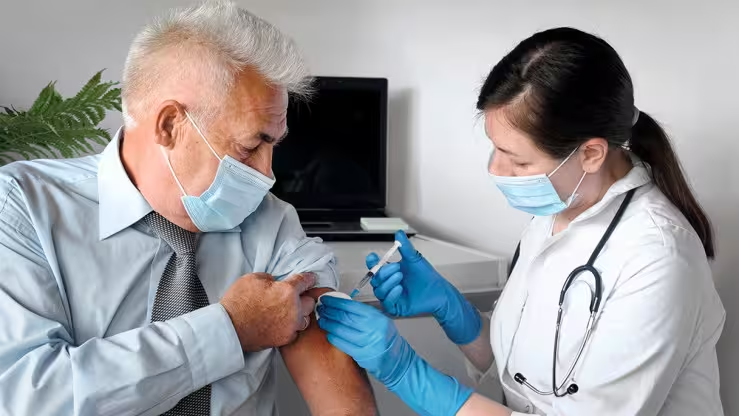
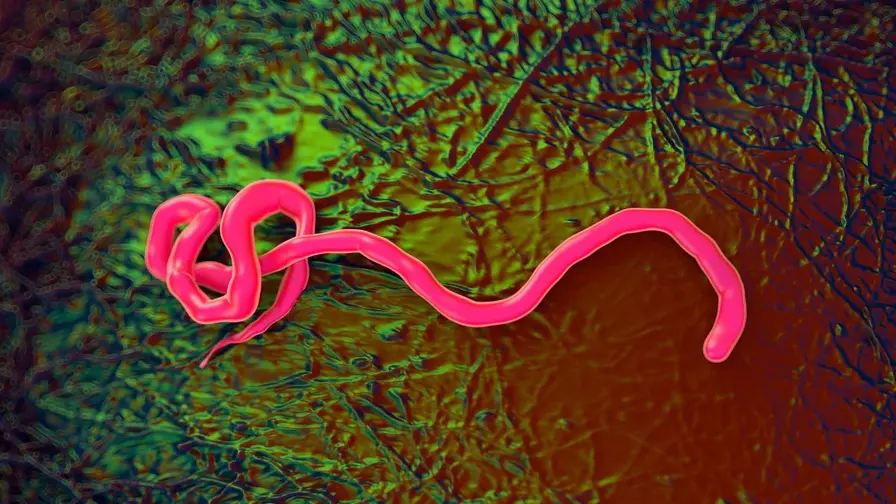
Why would a vaccine aimed at preventing a painful skin condition affect cognition? There are plausible biological pathways. Shingles is caused by reactivation of the varicella-zoster virus and can trigger neuroinflammation and raise stroke risk — both of which can damage the brain. Preventing shingles should, at least in theory, reduce those downstream harms. Another idea is more general: vaccines that provoke strong immune responses might modulate long-term neuroimmune processes in ways that protect neurons.
But the study is not a randomized trial. Observational analyses carry caveats. People who choose vaccination—or who are offered and accept it—can differ from those who do not in ways that matter for dementia risk. Healthier residents or those with better access to care may be more likely to be vaccinated, a phenomenon sometimes called vaccine or healthy-user bias. The investigators acknowledge this and caution against interpreting the association as definitive proof of causation.
Still, the study has strengths. It draws on a very large, real-world population of older adults at elevated risk for both shingles and cognitive decline. The long follow-up period and the setting of skilled nursing facilities make the findings clinically relevant: admission to a care facility is a natural touchpoint for reviewing immunizations and preventive care plans.
Only a small fraction of the cohort received Shingrix during the study window — 8,843 of the 509,926 residents — which suggests substantial room to improve vaccine uptake. The researchers and clinicians involved argue that this evidence could help persuade both policymakers and caregivers to prioritize shingles vaccination, especially since the US Centers for Disease Control and Prevention already recommends shingles immunization for adults 50 and older.
The paper, published in Annals of Internal Medicine, discloses that GSK funded the work but did not control study design, analysis, or publication decisions. Transparency on industry funding is important; the consistent pattern across multiple studies linking shingles vaccination with lower dementia rates, however, makes the association harder to dismiss as a single-study fluke.
So where does this leave us? More trials and mechanistic research are needed to untangle cause from correlation and to clarify how, exactly, vaccine-induced immune activity might influence long-term brain resilience. Meanwhile, the practical message is concrete: when a loved one moves into a nursing facility, vaccination status is a sensible topic for the intake checklist. Small preventive choices now may ripple outward, affecting not just bodies but minds.




Leave a Comment
Comments (2)
Is this even causal? Seems like healthy-user bias, only ~8,843 vaccinated out of 509,926 and GSK funded the study. Curious but skeptical, if they'd randomize it...
Wow, didn't expect a shingles shot to link with less dementia... if true, huge. Hope they follow up with trials tho, surprising but cautious