
4 Minutes
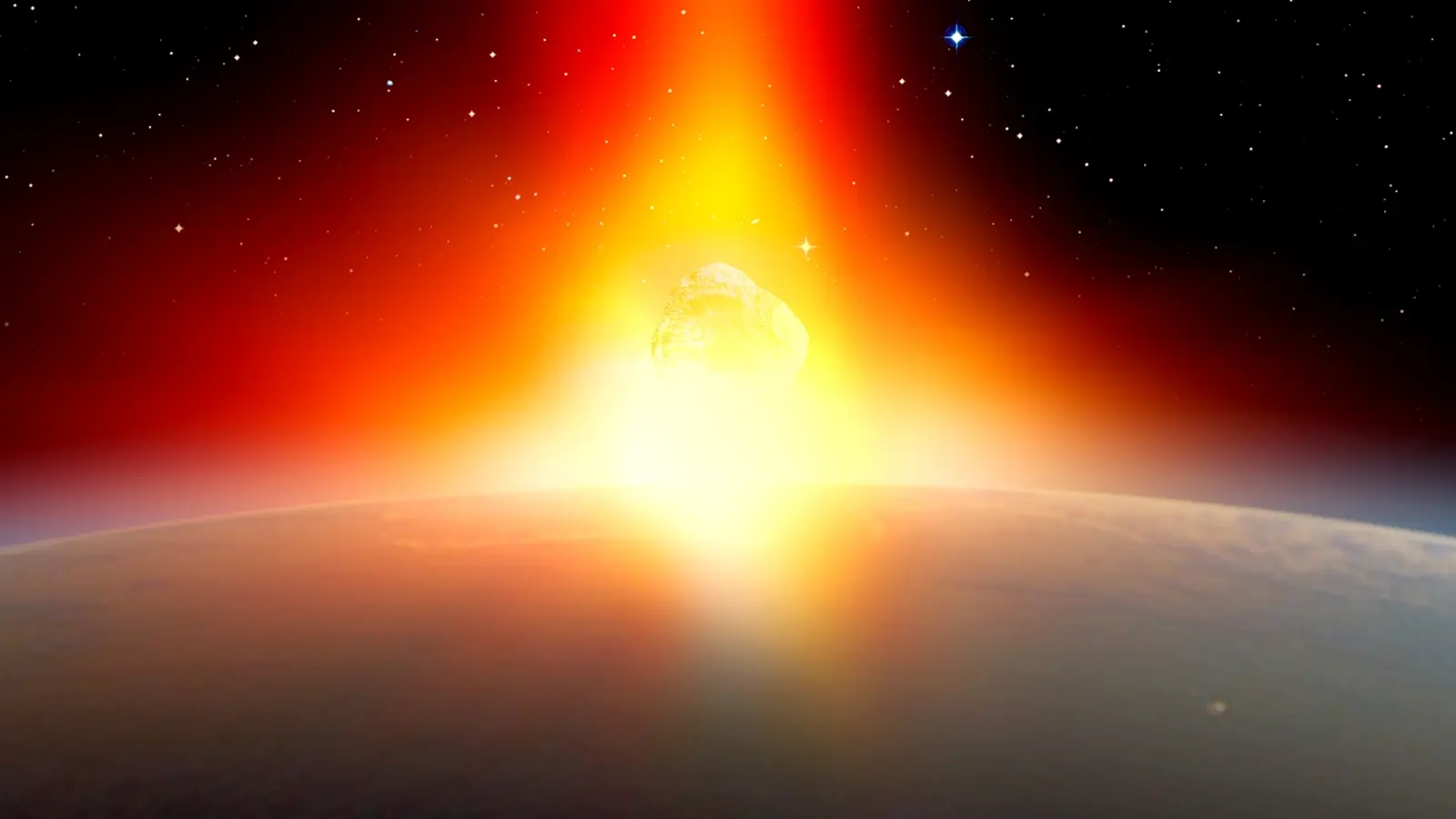
Imagine stumbling across a weathered patch of scrubland and realizing it bears the oldest scar on Earth. That is what geologists found in Western Australia’s Pilbara region: not a dramatic rim or a familiar bowl, but subtle clues locked into stubborn minerals that point to an impact more than three billion years ago.
The site, known as the North Pole Dome or Miralga, has been a subject of debate. When first described, researchers proposed an age near 3.47 billion years — a number that would have shattered previous records. Others pushed back hard, arguing the structure could be no older than about 2.77 billion years. The disagreement wasn’t trivial. It spanned a time slice covering hundreds of millions of years, a period when Earth’s crust, atmosphere, oceans and nascent ecosystems were changing fast.

So how do you settle such a dispute? You go to the rocks and ask them directly. Scientists returned to the outcrops and focused on the microscopic chronometers inside impact‑shocked rock: zircon and apatite crystals. These minerals can record violent episodes and quiet recrystallizations alike. The team applied precise uranium‑lead isotope dating and found concordant ages centered around 3.02 billion years — zircon pointing to roughly 3.024 billion years and hydrothermal apatite clustering near 3.019 billion years. Two independent mineral clocks, two nearly identical ticks.
That result nudges the story of terrestrial impacts into a different chapter. Most of the craters we can still see on Earth are younger than two billion years. Why so few ancient scars? Because Earth breathes and moves; erosion, plate tectonics and metamorphism erase surface memory. The Pilbara is exceptional because it preserves ancient crust that escaped severe recycling, offering one of the rare windows into the Archean surface.
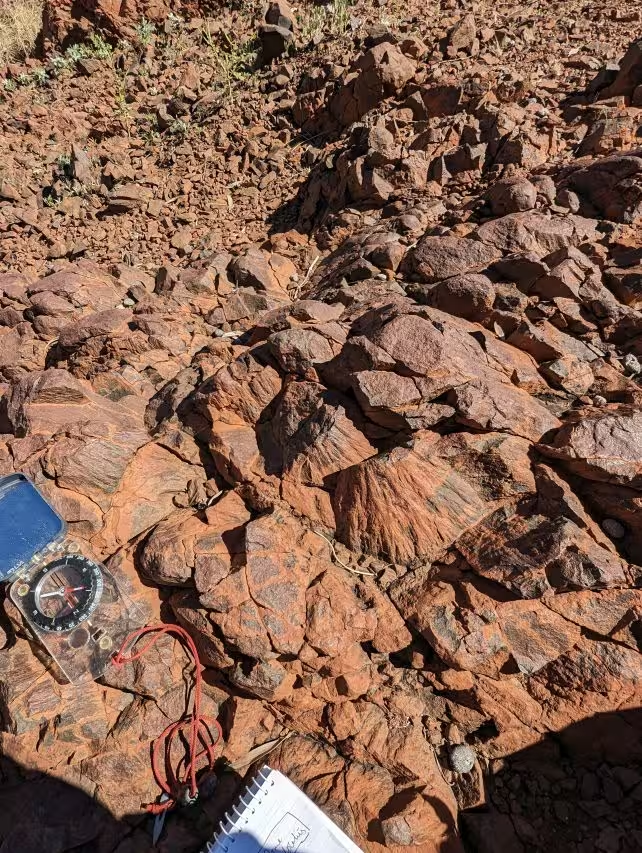
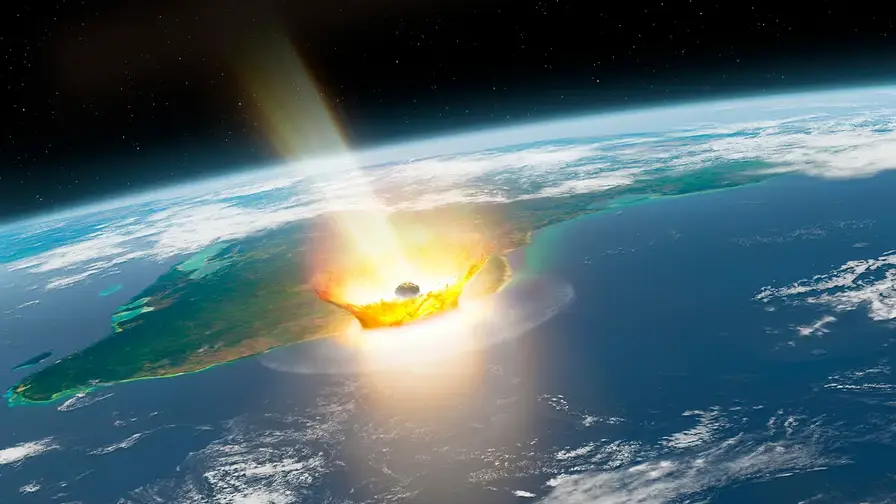
But North Pole Dome doesn’t look like the textbook image of a crater. No towering rim, no obvious circular basin. Instead, the discovery hinged on diagnostic fingerprints: shatter cones — conical fracture patterns carved into bedrock by powerful shockwaves — and impact‑modified zircon grains. Some of those zircons show branching, skeletal textures, signs they were partly melted, disrupted and then regenerated in the heat of the collision. Later, hot fluids leaching through fractured rock left apatite crystals that carry the same timestamp. Together, these mineral witnesses give a coherent, direct date for the event.
Why does this age matter? Picture Earth 3.02 billion years ago. The crust was hotter. Continents were smaller and more restless. Early microbial ecosystems were already eking out niches in shallow seas and hydrothermal systems. An impact of this vintage offers a snapshot of how collisions interacted with that early environment: fracturing crust, channeling hot fluids, and potentially altering habitats where primitive life lived or was preserved.

This discovery also reframes earlier evidence. Scientists have found microscopic glassy spheres and melted droplets — tiny remnants flung from impacts — in even older rock sequences in Australia and South Africa. Those grains prove that impacts occurred, but they don’t map to a preserved crater. North Pole Dome is different. Even though its rim has been eroded and reshaped by time, the structure still retains enough geometry and shock signatures to be interpreted as a bona fide impact site.
Previously, the title of Earth’s oldest confirmed crater belonged to Yarrabubba, also in Western Australia, dated at about 2.23 billion years. North Pole Dome’s new age pushes that benchmark back by roughly 800 million years, making it the only currently accepted Archean impact crater on our planet. The lesson here is methodological as much as geological: stratigraphic guesses are valuable, but direct mineral dating can tell a different — and sometimes surprising — story.
There are broader implications. Ancient impacts are not just curiosities for crater hunters; they are experiments in planetary change. They show how energy from space alters crustal architecture, redistributes heat and fluids, and possibly creates environments hospitable to life or favorable to preserving its traces. Each well‑dated ancient crater is a datapoint for models of early Earth dynamics and the role of impacts in shaping habitable conditions.
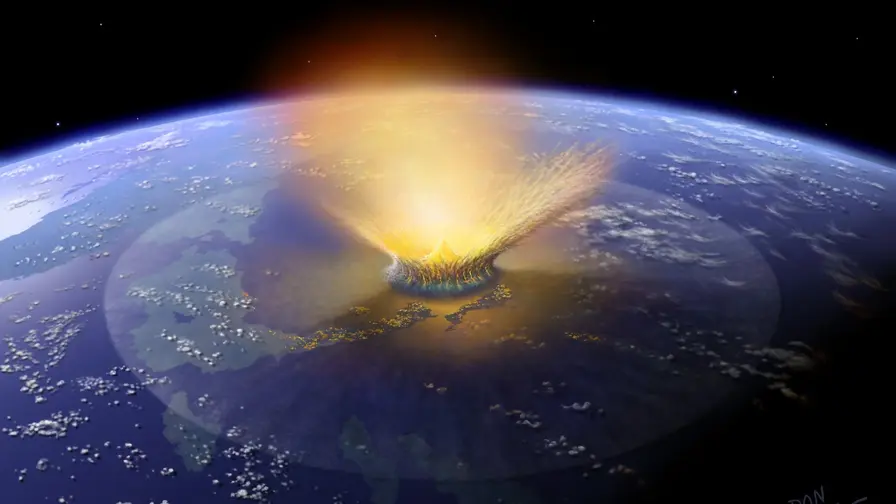
The findings, published in Geology and led by researchers including geologists from Curtin University, remind us that Earth still holds stubborn records of its formative years — if we know where and how to read them. The Pilbara’s battered but telling stones have given up one more secret. What other whispers from our planet’s deep past are waiting in plain sight?











Leave a Comment
Comments (2)
is this even true? 3.02 Ga from zircon and apatite, sounds convincing but how did they rule out later reheating or metamorphism? curious ppl pls explain
wow this blew my mind, 3 billion years?! like real rocks holding time. makes me wonder what else hides in plain sight... so cool, messy science