
4 Minutes
Sporty Elantra N set to get even wider and more powerful
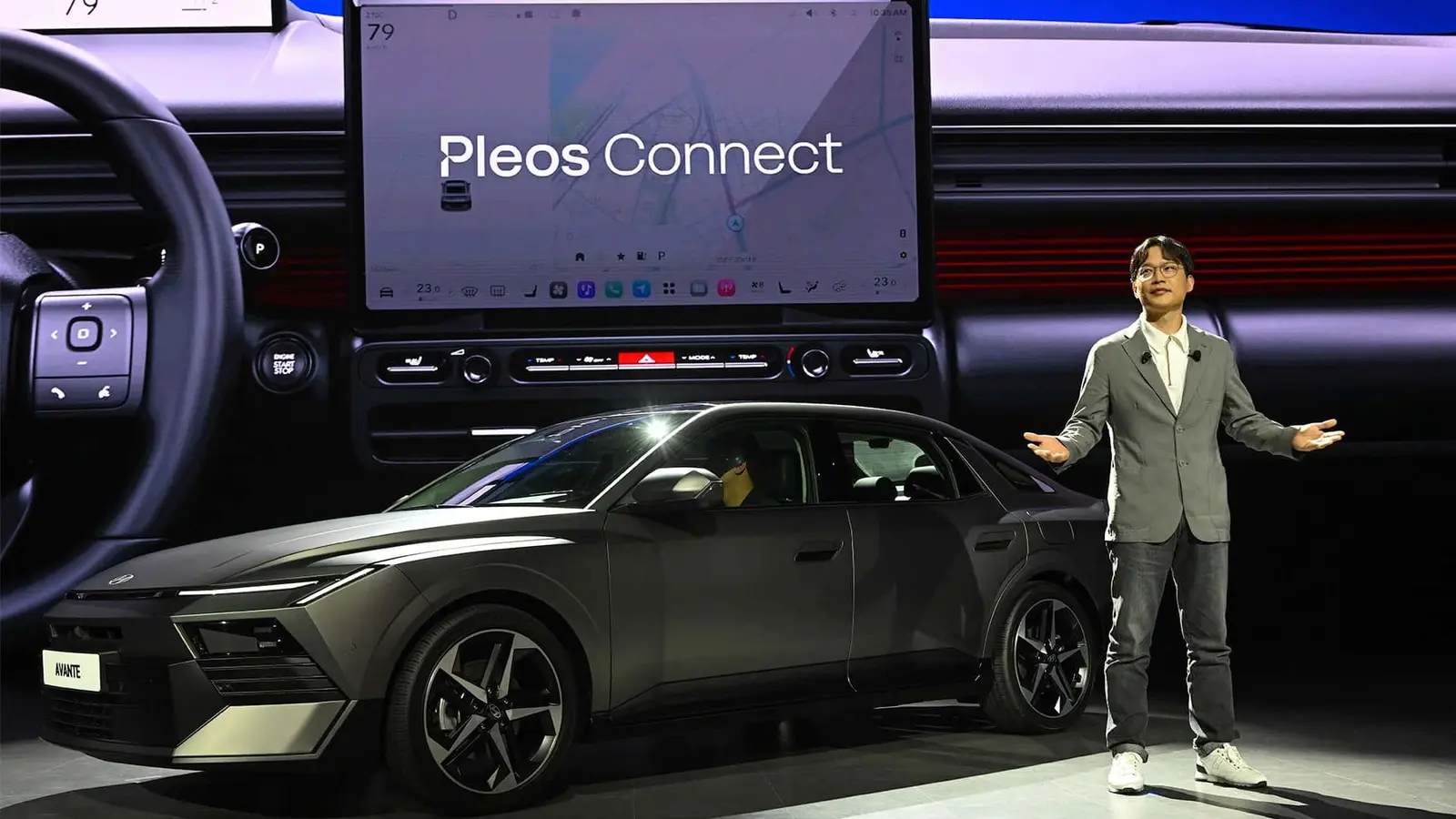
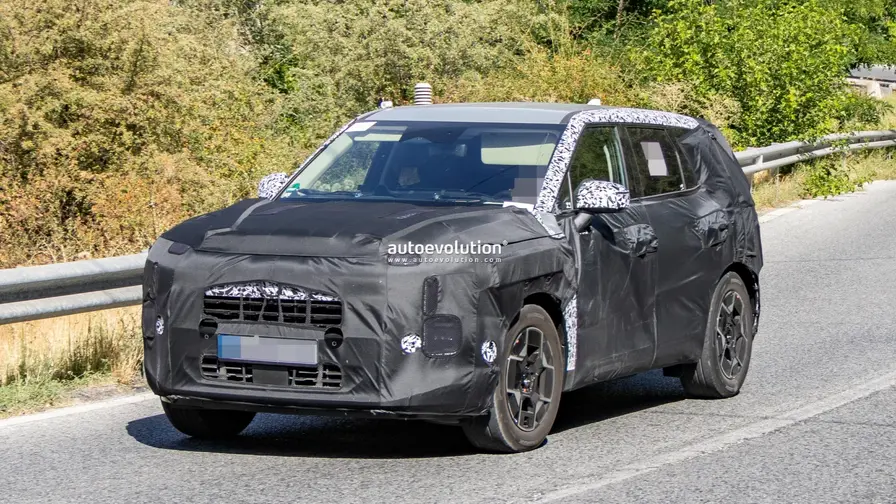
Hyundai is preparing what its design chief calls "the sportiest Elantra yet." Confirmed at the 2026 Busan Mobility Show, the next-generation Elantra N will push beyond the standard eighth-generation sedan's already broader stance with aggressively flared fenders and a more muscular track designed to house wider, stickier tires.
The redesigned Elantra’s architecture has been stretched: track width increases by approximately 30 millimeters, giving a claimed overall shoulder width of 1,855 mm. For the N variant, that baseline becomes a platform for more substantial visual and mechanical upgrades rather than mere cosmetic gestures.

What’s new in design and chassis
The most obvious change will be the deep wheel-arch flares. Hyundai’s intent is practical as well as visual—creating room for larger contact patches and improved mechanical grip. Wider haunches will not only change the car’s proportions but will also influence suspension tuning and aerodynamic balance, both crucial for a performance compact aimed at enthusiasts.
Highlights:
- Deeper fender flares to accept wider, grippier tires
- 30 mm wider track compared with the standard Elantra
- More aggressive stance for improved stability and cornering

Powertrain: a 2.5-liter turbo on the cards
Under the hood, Hyundai and its N performance division appear to be moving away from the outgoing 2.0-liter turbo. Sources inside the company earlier flagged a 2.5-liter turbocharged inline-four as a likely replacement. That engine already produces up to 290 hp and 311 lb-ft (422 Nm) in some Hyundai models, while a tuned variant in the Genesis G70 reaches 300 hp.
But the next Elantra N is expected to get more than a straight corporate transplant. Hyundai used an Elantra racer at the 24 Hours of Nürburgring to validate a next-generation powertrain, suggesting enhanced thermal management, motorsport-derived components, and adherence to tightened emissions targets such as Euro 7. The goal: a high-revving, robust four-cylinder that likely exceeds 300 crank horsepower in N spec.


Transmission and driver focus
Enthusiasts will be watching gearbox choices closely. The current Elantra N offered either a manual gearbox or a dual-clutch transmission (DCT), and there’s strong interest in preserving the manual option for the new model. Reports indicate Hyundai intends to keep the N as a driver-focused offering, avoiding the weight and complexity of hybrid systems for this iteration.
Expectations:
- Manual gearbox likely retained; DCT also expected
- Focus on reducing weight penalties to preserve handling agility
- No self-charging or plug-in hybrid versions for the N model
Market timing and competition
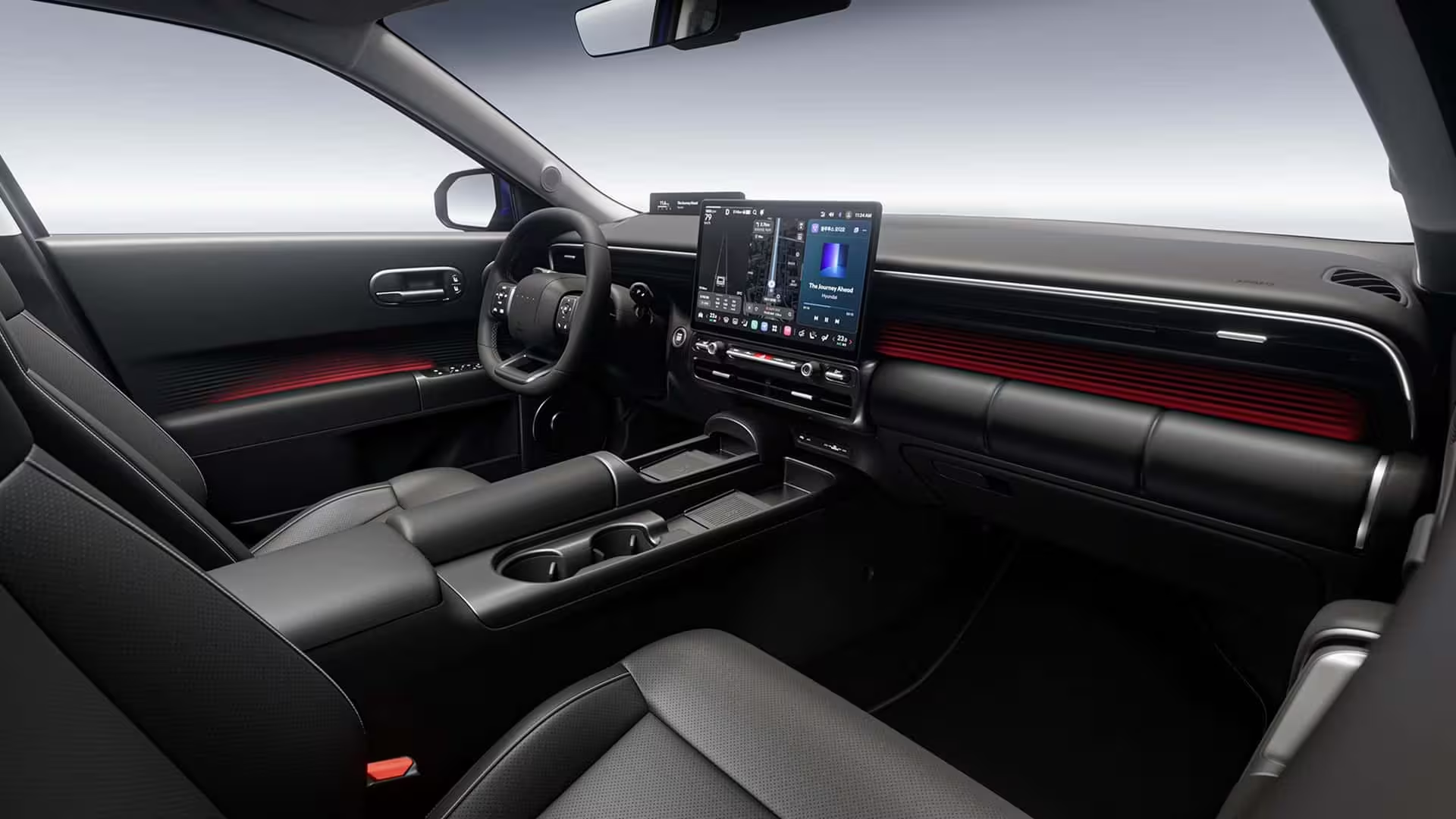
Hyundai plans staggered rollouts: the standard Elantra (marketed as the Avante in Korea) should reach domestic showrooms by late 2026, with global markets seeing it as a 2027 model year car. Given the confirmation from Hyundai’s design lead, the redesigned Elantra N could debut by next summer and arrive in North America as a 2028 model.
If the production N reaches or surpasses 300 horsepower, it will squarely position itself against hot-hatch and compact-sedan rivals like the Honda Civic Type R, offering a unique blend of rearward weight balance, tire contact, and high-output turbo torque.

Why this matters
The significance extends beyond a single model. Hyundai’s investment in refining pure internal-combustion performance underscores that manufacturers still see enthusiastic niches for ICE-focused sport sedans, provided they meet emissions rules and deliver engaging dynamics. The new Elantra N could become a compelling choice for buyers who want raw, driver-focused performance without hybrid compromise.
"We’re making the wide fenders even wider," said SangYup Lee, signaling a deliberate, bold direction for design. Combine that with next-gen turbocharging and motorsport testing, and the Elantra N may well be one of the most important compact performance sedans of the next few years.
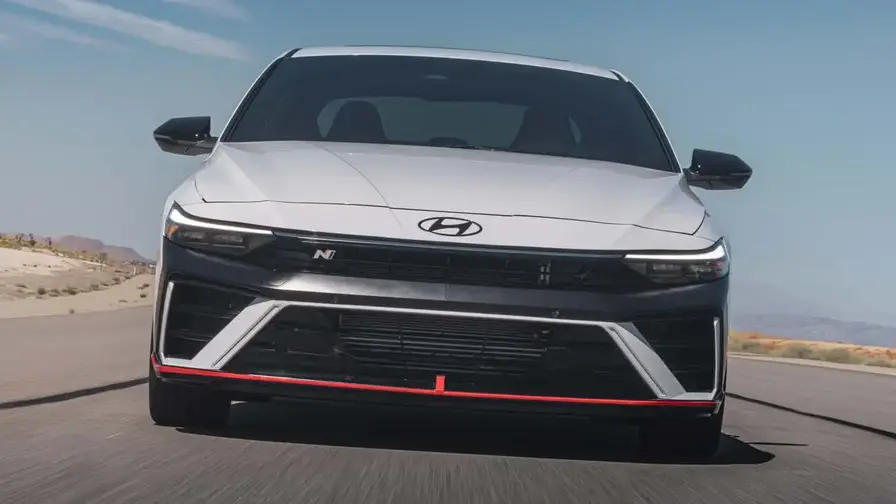
Whether you follow specs or simply enjoy driving, the Elantra N’s next chapter looks set to be louder, wider, and quicker.



Leave a Comment
Comments (2)
is this even true? 2.5 turbo sounds promising but Euro7 tweaking and motorsport parts... will it still rev high or just be a torque blob? curious
Wow, wider fenders AND 300+ hp? Hyundai actually going full ripper here. Please keep the manual, dont add tons of weight. hype but excited