

5 Minutes
Urus SE Performante arrives as Lamborghini doubles down on SUVs
Lamborghini has just lifted the curtain on the Urus SE Performante, a plug-in hybrid iteration of its best-selling exotic crossover that the company plainly needs on the road. With 801 bhp and 1,000 Nm of torque, this is the most powerful production Urus to date. Yet despite the headline numbers, the new SE Performante tells a complicated story about power, weight, and the shifting priorities of high-performance SUVs.
Key figures at a glance
- Powertrain: 4.0-liter twin-turbo V8 + electric motor inside ZF 8-speed gearbox
- Combined output: 801 bhp (812 PS / 597 kW) and 738 lb-ft (1,000 Nm)
- 0-62 mph (0-100 kph): 3.3 seconds
- Top speed: 194 mph (312 kph)
- Weight: 5,452 lbs (approx. 2,472 kg)
- WLTP electric range: 37 miles / 60 km

Power vs. performance: why extra horsepower didn’t shave the sprint time
On paper, the Urus SE Performante is significantly punchier than the model it replaces. Compared with the previous SE it adds around 12 bhp, and versus earlier Urus Performante and Urus S variants the jump reaches roughly 144 bhp. Even so, the new PHEV posts the same 0-62 mph time as the earlier non-electrified Performante: 3.3 seconds.
The explanation is straightforward and typical of hybridized performance cars: the electrification adds mass. Lamborghini’s hybrid assistance contributes torque and enables a sensible WLTP EV range, but it also makes the vehicle some 320+ kg heavier than the outgoing Performante. That extra weight curbs the launch advantage you might expect from 800-plus bhp.

What’s new on the outside and inside
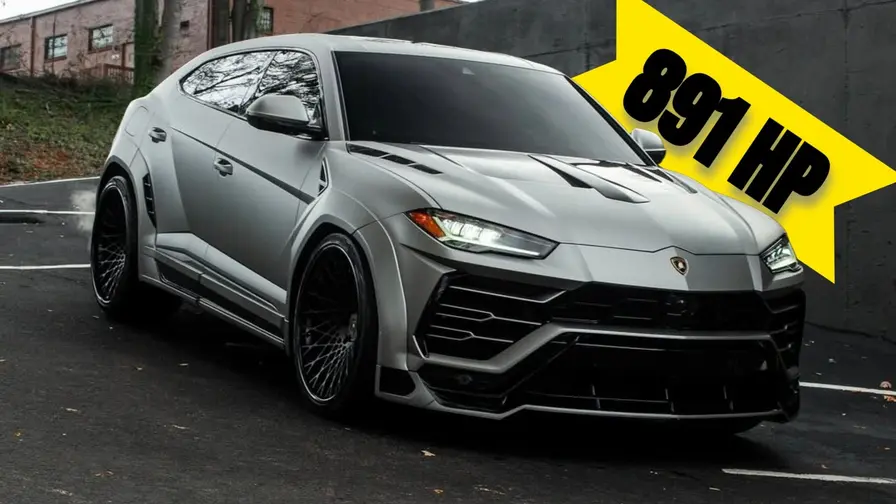
Visually the SE Performante is an evolutionary update rather than a revolution. Carbon fiber components — including a new hood, ducting channels, a larger rear spoiler, and a beefier diffuser — give the Urus a sharper, more purpose-built look. Wider tracks and chassis refinements reduce body roll and vibration, improving steering precision and high-speed stability.
Inside, Lamborghini has reworked the 12.3-inch infotainment screen and added aviation-inspired controls and new graphics. A notable addition to the drive-mode menu is Rally, joining Strada, Sport, Corsa and EV modes, which broadens the crossover’s on- and off-road personality even if true hardcore off-roading remains out of scope.

Not a total reinvention
Beneath the carbon and leather, the Urus still rides on the Volkswagen Group MLB Evo platform — the same architecture that underpins the VW Touareg, older Audi Q7 iterations, the Bentley Bentayga, and the third-gen Porsche Cayenne. The platform is proven but aging, and it highlights why many observers say Lamborghini needs a dedicated next-generation Urus rather than incremental refreshes.
Market positioning: why the Urus still matters more than ever
Beyond headlines and lap times, the Urus remains vital to Lamborghini’s business model. SUVs generate sales and margins that support the brand’s more exclusive halo cars. The SE Performante is therefore less about appeasing purists and more about pushing the model line forward commercially: lower emissions, hybrid capability, and broader customer appeal without abandoning the performance image.
That commercial logic explains why Lamborghini will continue to exploit the Urus platform for as long as it makes financial sense. Expect the SE Performante to sit on dealer lots and in buyers garages for several years while the company develops a second-generation Urus.

How it compares to rivals
The high-performance luxury SUV segment is increasingly crowded, with Ferrari’s Purosangue and Aston Martin’s DBX forming the chief challengers in exotic SUV territory. Compared with those rivals, the Urus SE Performante leans harder into pure straight-line authority while adding electrified efficiency and an EV driving mode. Its combination of raw power, an almost 40-mile WLTP electric range, and Lambo drama keeps it competitive even if it is not the lightest or most dynamically pure option in its class.

Pros and cons
Pros:
- Class-leading peak output and dramatic performance credentials
- Real WLTP EV range for short commutes
- Sharper styling, improved chassis tuning, and updated interior tech
Cons:
- Significant weight penalty compared with non-hybrid Performante
- Same 0-62 mph time as earlier non-hybrid Performante despite more power
- Based on an aging MLB Evo platform that is due for replacement
"The SE Performante proves Lamborghini can hybridize without losing the brand's DNA, but it also shows the trade-offs hybrids bring to high-performance SUVs."
Who is this Urus for?
Buyers who want a head-turning exotic crossover with plug-in capability will find a lot to like here: instant torque, enormous top-end power, and the cachet of wearing a raging bull badge. For purists who prize a lightweight chassis and razor-sharp dynamics, the extra kilos may be a deal-breaker. In practice, most Urus customers prioritize presence, comfort, and outright power over lap-time perfection.
Bottom line
The 2027 Lamborghini Urus SE Performante is both pragmatic and theatrical: a high-performance plug-in hybrid that shores up Lamborghini’s sales with modern efficiency and unmistakable drama. It is the most important new Lamborghini in years not because it reinvents the wheel, but because it secures the brand’s commercial future while nudging the Urus closer to electrification. Whether the internet cares about the nuance is another matter, but for buyers and the business, this Urus matters a great deal.
Do you think the SE Performante does enough to dominate the exotic crossover class, or is the next-generation Urus the only thing that will truly change the game? Let the debate begin.


Leave a Comment
Comments (2)
Nice hybrid tech, visually sharp, but platform's aging. Feels like a stopgap, if they really wanted change they'd do a clean-sheet Urus. Still... probs sells like crazy
So 801 bhp but still 3.3s? weight wins again lmao. Does anyone really care about WLTP 37 miles if it tips the scales by 320kg? kinda meh